What does Hosea 1:9 mean?
“Then said God, Call his name Lo-ammi: for ye are not my people, and I will not be your God.” — Hosea 1:9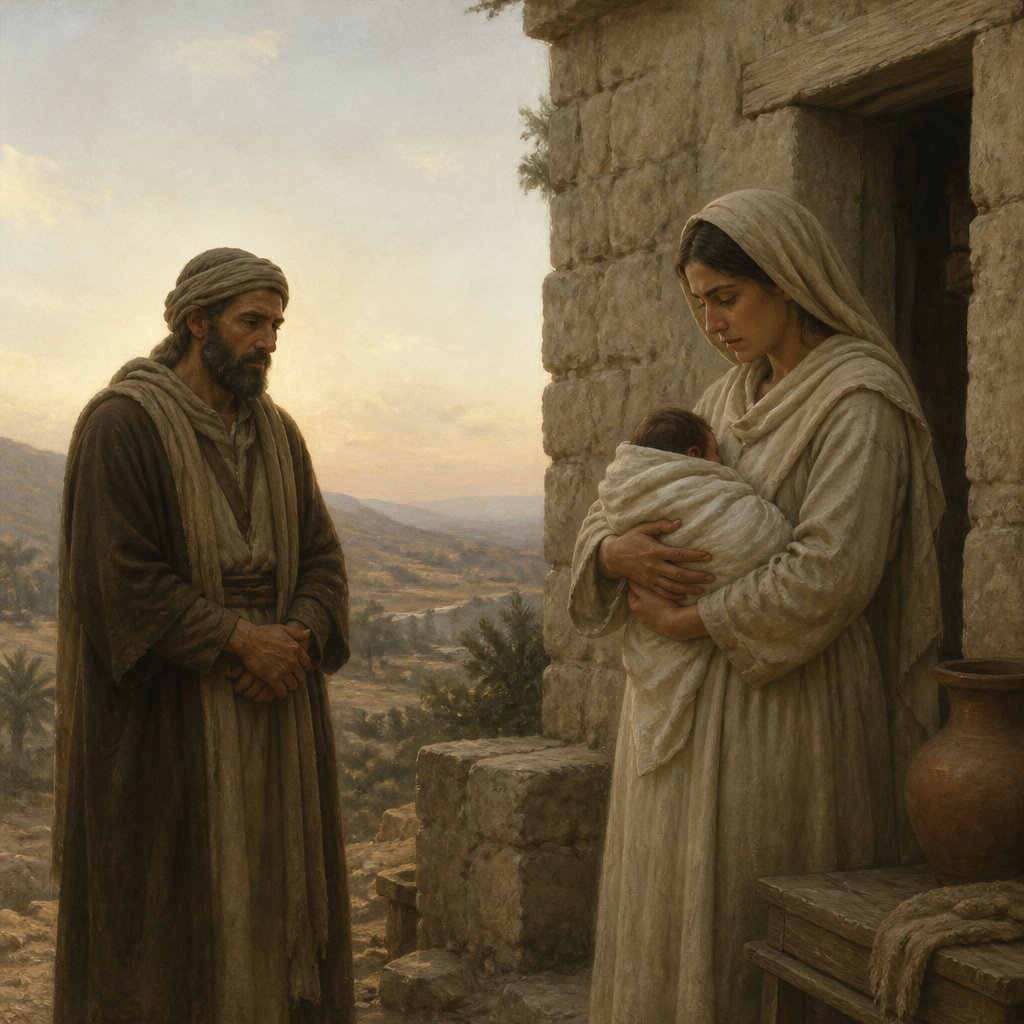
The Bible verse Hosea 1:9, from the King James Version, reads, "Then said God, Call his name Loammi: for ye are not my people, and I will not be your God." This verse comes from the Book of Hosea, which is one of the prophetic books of the Old Testament. This verse is part of a larger passage in which Hosea is called by God to marry a prostitute as a symbolic act to represent the unfaithfulness of the people of Israel.
The name "Loammi" means "not my people," and it is given to symbolize the rejection of the people of Israel by God due to their disobedience and unfaithfulness. This verse is a powerful expression of the consequences of turning away from God and the implications of being separated from Him.
The context of this verse is essential to understanding its meaning. The Book of Hosea was written during a time of great spiritual and moral decline in the Kingdom of Israel. The people had turned away from the worship of the true God and had pursued other gods, as well as engaging in various sinful practices. The prophet Hosea was called by God to demonstrate the spiritual adultery of Israel by marrying a prostitute named Gomer. Through this marriage, Hosea experienced the pain and heartache that God felt as His people turned away from Him.
The broader theme of the Book of Hosea is the unfaithfulness of the people of Israel and the restoration of their relationship with God. The prophet uses the metaphor of an unfaithful wife to illustrate the covenant relationship between God and His people. Despite their unfaithfulness, God's love for His people remains steadfast, and He desires to restore them and bring them back into a right relationship with Him.
In Hosea 1:9, God is pronouncing judgment on the people of Israel for their unfaithfulness. By naming them "Loammi," God is essentially disowning them, declaring that they are no longer His people and He will no longer be their God. This is a severe consequence of their disobedience, and it demonstrates the seriousness of their actions and the displeasure of God.
The symbolism in this verse is powerful and significant. It represents the alienation and separation that occurs when God's people turn away from Him. It illustrates the brokenness and pain that comes from disobedience and unfaithfulness. However, it also reveals the depth of God's love and His desire for reconciliation. Despite the judgment pronounced in this verse, the Book of Hosea ultimately points to God's mercy and His longing to restore His people.
In conclusion, Hosea 1:9 is a poignant and sobering verse that captures the consequences of unfaithfulness and disobedience. It reflects the heartache and disappointment of God as His people turn away from Him, as well as His desire for reconciliation and restoration. This verse serves as a powerful reminder of the importance of faithfulness and the enduring love of God, even in the face of disobedience. It challenges us to consider the state of our own hearts and our relationship with God, and it calls us to turn back to Him in repentance and faithfulness.
Get our apps


Artwork for Hosea 1:9

Hosea 1:9 - "Then said God, Call his name Lo-ammi: for ye are not my people, and I will not be your God."
"Then said God, Call his name Lo-ammi: for ye are not my people, and I will not be your God." - Hosea 1:9

Hosea 9:1 - "Rejoice not, O Israel, for joy, as other people: for thou hast gone a whoring from thy God, thou hast loved a reward upon every cornfloor."

Hosea 9:9 - "They have deeply corrupted themselves, as in the days of Gibeah: therefore he will remember their iniquity, he will visit their sins."
Hosea 13:9 - "¶ O Israel, thou hast destroyed thyself; but in me is thine help."

Hosea 9:5 - "What will ye do in the solemn day, and in the day of the feast of the LORD?"
Hosea 1:1 - "The word of the LORD that came unto Hosea, the son of Beeri, in the days of Uzziah, Jotham, Ahaz, and Hezekiah, kings of Judah, and in the days of Jeroboam the son of Joash, king of Israel."
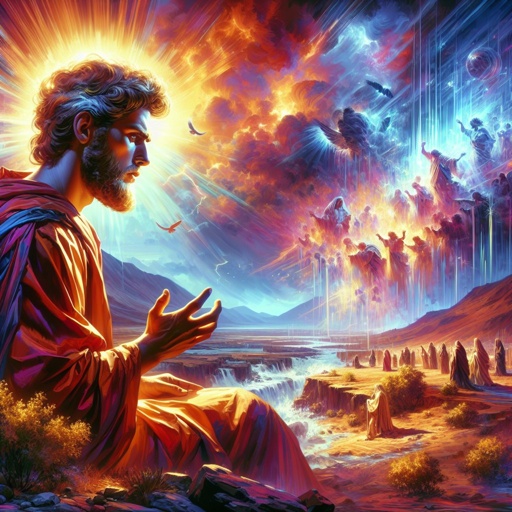
Hosea 1:2 - "The beginning of the word of the LORD by Hosea. And the LORD said to Hosea, Go, take unto thee a wife of whoredoms and children of whoredoms: for the land hath committed great whoredom, departing from the LORD."

Hosea 9:2 - "The floor and the winepress shall not feed them, and the new wine shall fail in her."

Hosea 1:2

Hosea 3:1

Hosea 6:9 - "And as troops of robbers wait for a man, so the company of priests murder in the way by consent: for they commit lewdness."

Hosea 8:9 - "For they are gone up to Assyria, a wild ass alone by himself: Ephraim hath hired lovers."

Hosea 1:2

Hosea 9:3 - "They shall not dwell in the LORD'S land; but Ephraim shall return to Egypt, and they shall eat unclean things in Assyria."

Hosea 9:11 - "As for Ephraim, their glory shall fly away like a bird, from the birth, and from the womb, and from the conception."

Hosea 4:9 - "And there shall be, like people, like priest: and I will punish them for their ways, and reward them their doings."

Hosea 9:13 - "Ephraim, as I saw Tyrus, is planted in a pleasant place: but Ephraim shall bring forth his children to the murderer."

Hosea 9:17 - "My God will cast them away, because they did not hearken unto him: and they shall be wanderers among the nations."

Hosea 9:8 - "The watchman of Ephraim was with my God: but the prophet is a snare of a fowler in all his ways, and hatred in the house of his God."

Hosea 3:1-5

Hosea 5:9 - "Ephraim shall be desolate in the day of rebuke: among the tribes of Israel have I made known that which shall surely be."
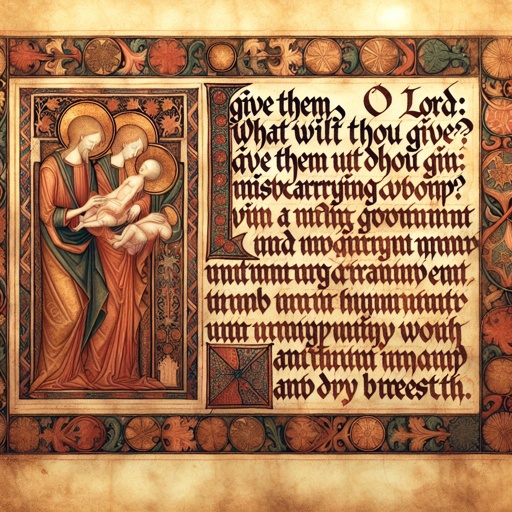
Hosea 9:14 - "Give them, O LORD: what wilt thou give? give them a miscarrying womb and dry breasts."

Hosea 7:9 - "Strangers have devoured his strength, and he knoweth it not: yea, gray hairs are here and there upon him, yet he knoweth not."

Hosea 12:9 - "And I that am the LORD thy God from the land of Egypt will yet make thee to dwell in tabernacles, as in the days of the solemn feast."

Hosea 10:9 - "O Israel, thou hast sinned from the days of Gibeah: there they stood: the battle in Gibeah against the children of iniquity did not overtake them."

Hosea 1:2-11;2:14;3:5
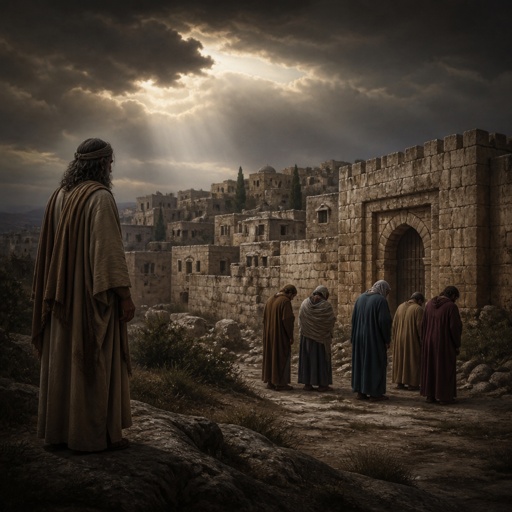
"They have deeply corrupted themselves, as in the days of Gibeah: therefore he will remember their iniquity, he will visit their sins." - Hosea 9:9

Hosea 9:7 - "The days of visitation are come, the days of recompence are come; Israel shall know it: the prophet is a fool, the spiritual man is mad, for the multitude of thine iniquity, and the great hatred."
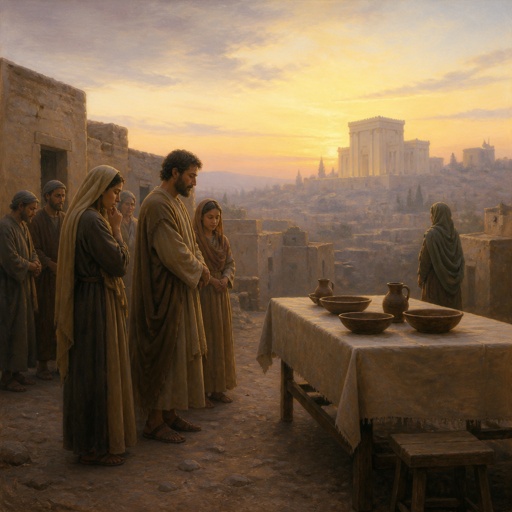
"What will ye do in the solemn day, and in the day of the feast of the LORD?" - Hosea 9:5