What does Hosea 10:13 mean?
“Ye have plowed wickedness, ye have reaped iniquity; ye have eaten the fruit of lies: because thou didst trust in thy way, in the multitude of thy mighty men.” — Hosea 10:13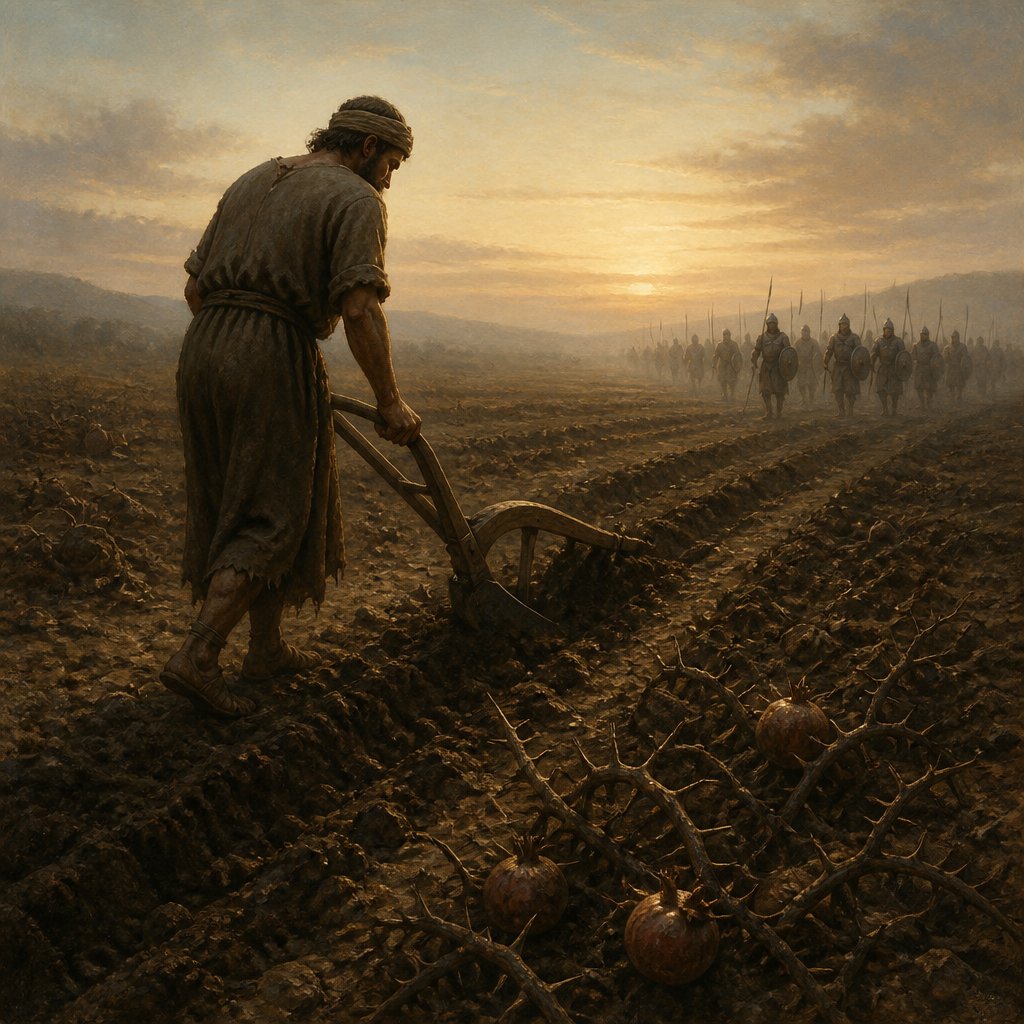
Hosea 10:13 in the King James Bible states, "Ye have plowed wickedness, ye have reaped iniquity; ye have eaten the fruit of lies: because thou didst trust in thy way, in the multitude of thy mighty men." This verse comes from the Book of Hosea in the Old Testament and is part of a larger passage in which the prophet Hosea delivers a message from God to the people of Israel. In order to fully understand the meaning and significance of this verse, it is important to examine it in its literary, historical, and theological context.
The Book of Hosea is traditionally attributed to the prophet Hosea, who lived in the Northern Kingdom of Israel during the 8th century BC. The prophet is known for using his own life experiences as a metaphor for the relationship between God and his people. In Hosea 10:13, the prophet is addressing the Israelites and delivering a message from God regarding their behavior and their consequences.
The verse begins with the statement, "Ye have plowed wickedness, ye have reaped iniquity." This agricultural language is used metaphorically to describe the actions of the Israelites. Plowing and reaping are common agricultural activities, and here they are used as a metaphor for the sowing and reaping of moral and spiritual behavior. The people have sown seeds of wickedness, and as a result, they have reaped a harvest of iniquity. This metaphor emphasizes the idea that actions have consequences, and that the people are responsible for the negative consequences of their actions.
The verse continues, "ye have eaten the fruit of lies." This phrase highlights the theme of deceit and falsehood that runs throughout the Book of Hosea. The people have been deceived by their own actions and the lies they have believed. They have indulged in the fruit of these lies, consuming them and experiencing the bitter consequences of their deception.
The final part of the verse states, "because thou didst trust in thy way, in the multitude of thy mighty men." Here, the prophet Hosea is pointing out that the Israelites have put their trust in their own strength and power, rather than in God. They have relied on their own abilities and the resources at their disposal, rather than seeking guidance and direction from God. This reliance on human strength and power has led them into a way of wickedness and lies, resulting in the consequences they now face.
Overall, Hosea 10:13 conveys a powerful message about the consequences of wickedness and deception, as well as the importance of trusting in God rather than in human strength. The verse serves as a warning to the people of Israel, reminding them that their actions have real and lasting consequences, and urging them to turn away from their sinful ways and return to God.
In addition to its literal meaning, Hosea 10:13 also carries symbolic and theological significance. The agricultural imagery used in the verse can be seen as a metaphor for the spiritual lives of the Israelites. The plowing and reaping of wickedness and iniquity symbolize the negative spiritual consequences of their actions, while the fruit of lies represents the bitter results of their deception. This symbolism serves as a powerful reminder of the importance of living a righteous and truthful life, and the destructive consequences of sin and deceit.
Furthermore, the verse also speaks to the larger theological themes present in the Book of Hosea, including the covenant relationship between God and his people, the consequences of disobedience, and the need for repentance and reconciliation. Throughout the book, Hosea emphasizes the unfaithfulness of the Israelites and the consequences of their actions, while also offering a message of hope and the possibility of restoration through repentance and returning to God.
In conclusion, Hosea 10:13 delivers a powerful and profound message about the consequences of wickedness and the importance of trusting in God. Through its rich symbolism and theological themes, the verse serves as a timeless reminder of the spiritual realities of sin and deceit, and the need for repentance and redemption. The verse's relevance and significance extend beyond its historical context, offering a timeless message for readers of all generations.
Get our apps


Artwork for Hosea 10:13

Hosea 10:13 - "Ye have plowed wickedness, ye have reaped iniquity; ye have eaten the fruit of lies: because thou didst trust in thy way, in the multitude of thy mighty men."
"Ye have plowed wickedness, ye have reaped iniquity; ye have eaten the fruit of lies: because thou didst trust in thy way, in the multitude of thy mighty men." - Hosea 10:13

Hosea 13:10 - "I will be thy king: where is any other that may save thee in all thy cities? and thy judges of whom thou saidst, Give me a king and princes?"

Hosea 13:12 - "The iniquity of Ephraim is bound up; his sin is hid."

Hosea 13:5 - "¶ I did know thee in the wilderness, in the land of great drought."

Hosea 12:13 - "And by a prophet the LORD brought Israel out of Egypt, and by a prophet was he preserved."

Hosea 13:9 - "¶ O Israel, thou hast destroyed thyself; but in me is thine help."

Hosea 13:7 - "Therefore I will be unto them as a lion: as a leopard by the way will I observe them:"

Hosea 10:7 - "As for Samaria, her king is cut off as the foam upon the water."

Hosea 10:10 - "It is in my desire that I should chastise them; and the people shall be gathered against them, when they shall bind themselves in their two furrows."

Hosea 13:13 - "The sorrows of a travailing woman shall come upon him: he is an unwise son; for he should not stay long in the place of the breaking forth of children."

Hosea 13:11 - "I gave thee a king in mine anger, and took him away in my wrath."

Hosea 13:6 - "According to their pasture, so were they filled; they were filled, and their heart was exalted; therefore have they forgotten me."

Hosea 9:13 - "Ephraim, as I saw Tyrus, is planted in a pleasant place: but Ephraim shall bring forth his children to the murderer."

Hosea 13:1 - "When Ephraim spake trembling, he exalted himself in Israel; but when he offended in Baal, he died."

Hosea 7:10 - "And the pride of Israel testifieth to his face: and they do not return to the LORD their God, nor seek him for all this."

Hosea 12:10 - "I have also spoken by the prophets, and I have multiplied visions, and used similitudes, by the ministry of the prophets."

Hosea 2:10 - "And now will I discover her lewdness in the sight of her lovers, and none shall deliver her out of mine hand."
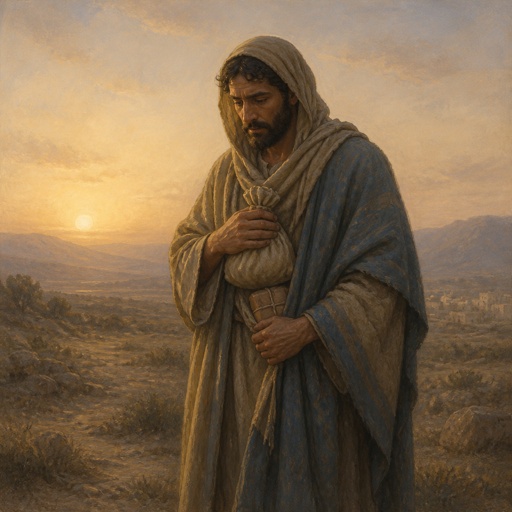
"The iniquity of Ephraim is bound up; his sin is hid." - Hosea 13:12

Hosea 10:4 - "They have spoken words, swearing falsely in making a covenant: thus judgment springeth up as hemlock in the furrows of the field."

Hosea 13:3 - "Therefore they shall be as the morning cloud, and as the early dew that passeth away, as the chaff that is driven with the whirlwind out of the floor, and as the smoke out of the chimney."

Hosea 13:4 - "Yet I am the LORD thy God from the land of Egypt, and thou shalt know no god but me: for there is no saviour beside me."

Hosea 8:10 - "Yea, though they have hired among the nations, now will I gather them, and they shall sorrow a little for the burden of the king of princes."

Hosea 10:3 - "For now they shall say, We have no king, because we feared not the LORD; what then should a king do to us?"

Hosea 10:2 - "Their heart is divided; now shall they be found faulty: he shall break down their altars, he shall spoil their images."

Hosea 10:9 - "O Israel, thou hast sinned from the days of Gibeah: there they stood: the battle in Gibeah against the children of iniquity did not overtake them."
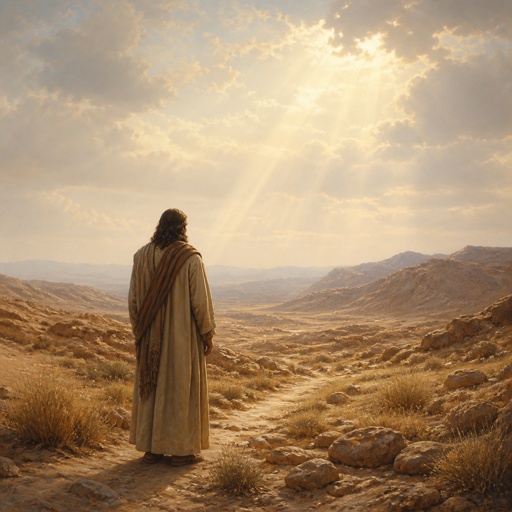
"¶ I did know thee in the wilderness, in the land of great drought." - Hosea 13:5
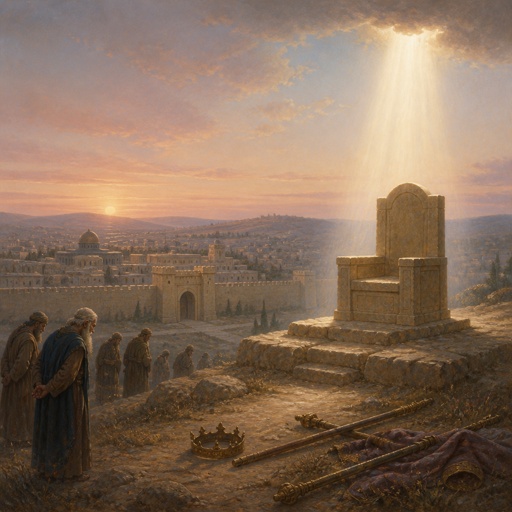
"I will be thy king: where is any other that may save thee in all thy cities? and thy judges of whom thou saidst, Give me a king and princes?" - Hosea 13:10

Hosea 8:13 - "They sacrifice flesh for the sacrifices of mine offerings, and eat it; but the LORD accepteth them not; now will he remember their iniquity, and visit their sins: they shall return to Egypt."

Hosea 10:6 - "It shall be also carried unto Assyria for a present to king Jareb: Ephraim shall receive shame, and Israel shall be ashamed of his own counsel."