What does Hosea 10:11 mean?
“And Ephraim is as an heifer that is taught, and loveth to tread out the corn; but I passed over upon her fair neck: I will make Ephraim to ride; Judah shall plow, and Jacob shall break his clods.” — Hosea 10:11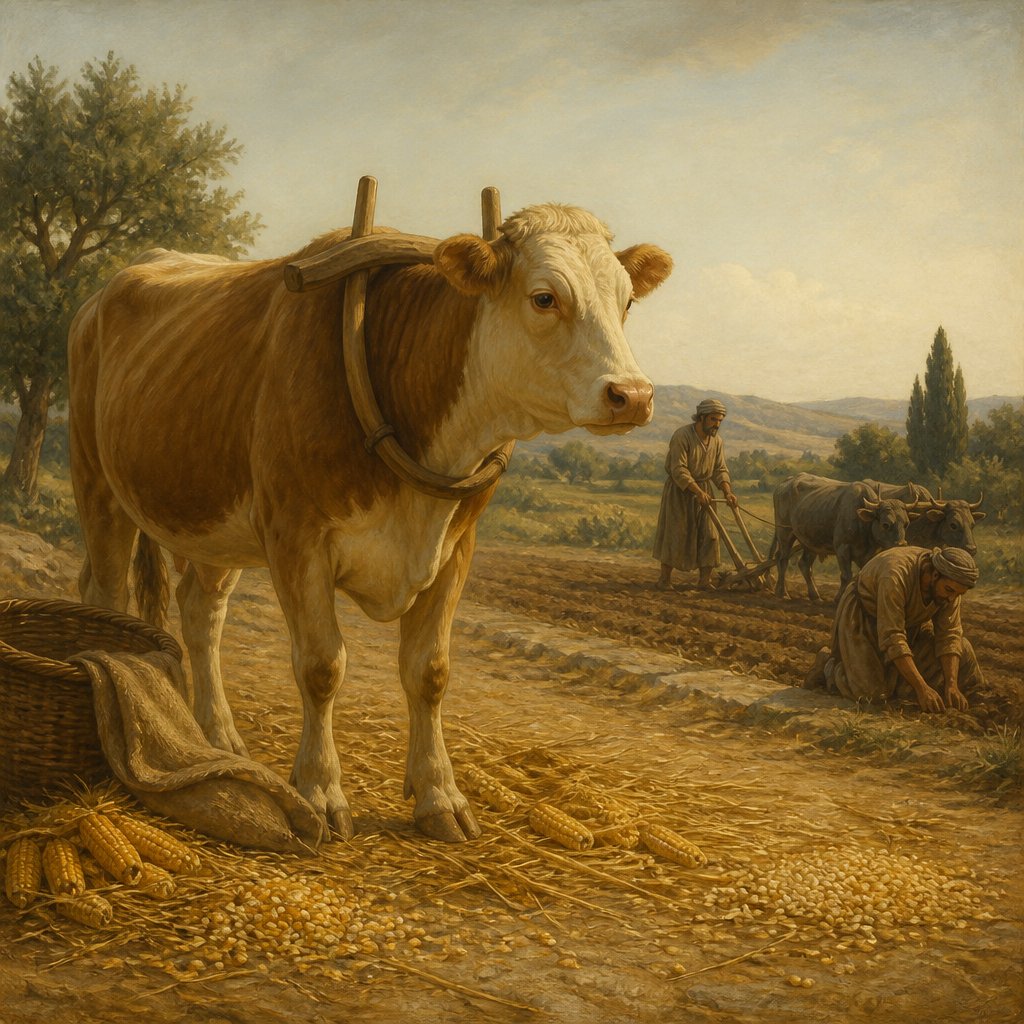
Hosea 10:11 (KJV) states, "And Ephraim is as an heifer that is taught, and loveth to tread out the corn; but I passed over upon her fair neck: I will make Ephraim to ride; Judah shall plow, and Jacob shall break his clods."
This verse from the Book of Hosea in the Old Testament holds significant meaning within the larger context of the prophet's message to the Israelites. Hosea was a prophet during a time of great moral and spiritual decline in Israel, and his message revolved around calling the people back to faithfulness to God. The verse in question is part of a rebuke against Ephraim, one of the tribes of Israel, but also offers hope for restoration and renewal.
In this verse, the comparison of Ephraim to a heifer speaks to their stubbornness and willful nature. They are described as being "taught" and enjoying the labor of treading out the corn, but they are also being "passed over upon" by God. This imagery of treading out the corn refers to the process of separating grain from the husks, a laborious but necessary task. However, Ephraim's enjoyment of this activity may symbolize their complacency and satisfaction with their own efforts, rather than recognizing the hand of God in their blessings.
The mention of "passing over upon her fair neck" suggests a disregard or rejection by God, as if He is dismissing Ephraim and their efforts. This may be seen as a form of punishment for their disobedience and waywardness. Yet, there is also the promise of a future change in Ephraim's status as it says, "I will make Ephraim to ride." This could be interpreted as a promise of restoration and guidance, as God will intervene to redirect Ephraim and set them on a righteous path.
The following line, "Judah shall plow, and Jacob shall break his clods," further emphasizes the theme of future restoration and renewal. Judah and Jacob, representing the other tribes of Israel, are depicted engaging in agricultural tasks. This imagery implies a return to the land and a renewal of prosperity after a period of hardship and desolation.
The verse in Hosea 10:11 captures the tension between God's judgment and His mercy. The Israelites, particularly Ephraim, are being chastised for their disobedience and reliance on their own efforts. However, there is also the promise of restoration and a hopeful future. This duality reflects the complex and multifaceted nature of God's relationship with His people, holding them accountable for their actions while also offering the possibility of redemption.
In a broader context, this verse can be seen as a reflection of the cyclical nature of the Israelites' relationship with God. Throughout the Old Testament, the Israelites experience periods of faithfulness and prosperity followed by disobedience and decline, only to be met with God's judgement and the opportunity for repentance and restoration. The imagery of agriculture and labor in this verse also speaks to the themes of sowing and reaping, emphasizing the consequences of the Israelites' actions and the potential for renewal and growth.
Symbolically, the heifer could represent the stubbornness and self-reliance of the Israelites, while the act of treading out the corn may symbolize their own efforts and labors. This is contrasted with the promise of God's intervention and restoration, as represented by the change in Ephraim's status and the renewed productivity of Judah and Jacob. The agricultural imagery further symbolizes the potential for spiritual growth and renewal, as the land and the people are rejuvenated through God's grace.
In conclusion, Hosea 10:11 conveys a message of rebuke, judgement, and hope for the people of Israel. It captures the complexity of God's relationship with His people and the cyclical nature of their spiritual journey. The verse serves as a reminder of the consequences of disobedience, the promise of restoration, and the enduring faithfulness of God towards His people.
Get our apps


Artwork for Hosea 10:11
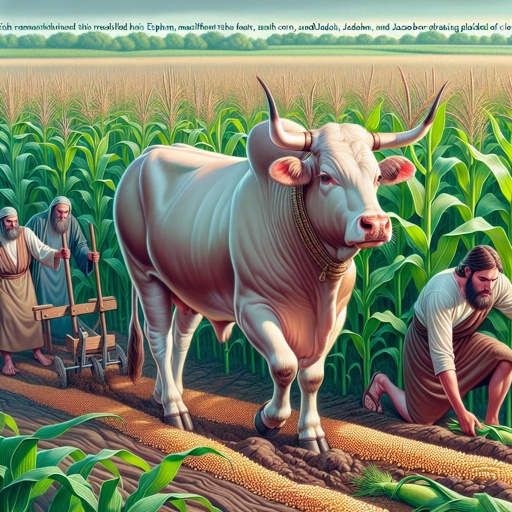
Hosea 10:11 - "And Ephraim is as an heifer that is taught, and loveth to tread out the corn; but I passed over upon her fair neck: I will make Ephraim to ride; Judah shall plow, and Jacob shall break his clods."
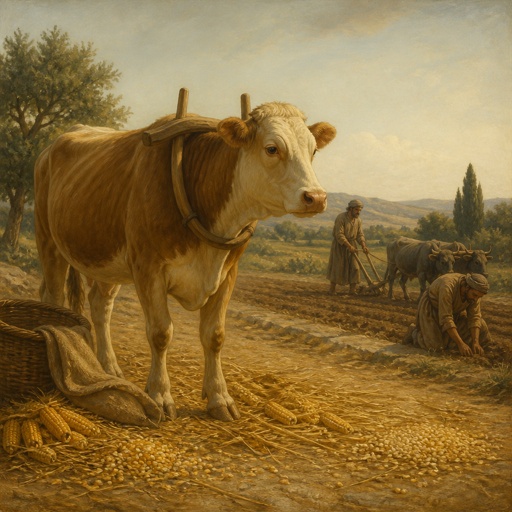
"And Ephraim is as an heifer that is taught, and loveth to tread out the corn; but I passed over upon her fair neck: I will make Ephraim to ride; Judah shall plow, and Jacob shall break his clods." - Hosea 10:11

Hosea 11:10 - "They shall walk after the LORD: he shall roar like a lion: when he shall roar, then the children shall tremble from the west."

Hosea 11:11 - "They shall tremble as a bird out of Egypt, and as a dove out of the land of Assyria: and I will place them in their houses, saith the LORD."

Hosea 10:7 - "As for Samaria, her king is cut off as the foam upon the water."

Hosea 10:10 - "It is in my desire that I should chastise them; and the people shall be gathered against them, when they shall bind themselves in their two furrows."

Hosea 7:11 - "¶ Ephraim also is like a silly dove without heart: they call to Egypt, they go to Assyria."

Hosea 5:11 - "Ephraim is oppressed and broken in judgment, because he willingly walked after the commandment."

Hosea 8:11 - "Because Ephraim hath made many altars to sin, altars shall be unto him to sin."

Hosea 11:3 - "I taught Ephraim also to go, taking them by their arms; but they knew not that I healed them."

Hosea 13:11 - "I gave thee a king in mine anger, and took him away in my wrath."

Hosea 11:1 - "When Israel was a child, then I loved him, and called my son out of Egypt."

Hosea 9:11 - "As for Ephraim, their glory shall fly away like a bird, from the birth, and from the womb, and from the conception."

Hosea 11:5 - "¶ He shall not return into the land of Egypt, but the Assyrian shall be his king, because they refused to return."

Hosea 12:11 - "Is there iniquity in Gilead? surely they are vanity: they sacrifice bullocks in Gilgal; yea, their altars are as heaps in the furrows of the fields."
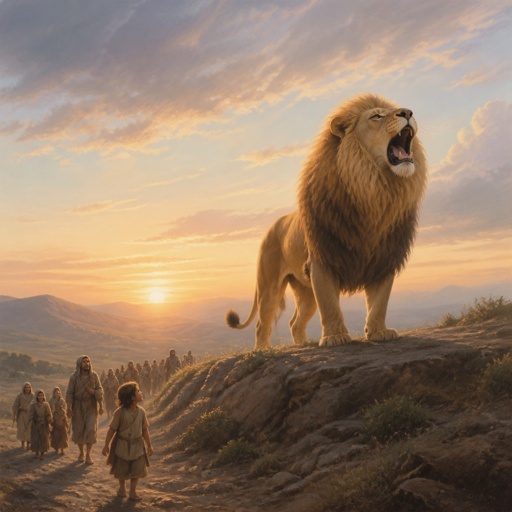
"They shall walk after the LORD: he shall roar like a lion: when he shall roar, then the children shall tremble from the west." - Hosea 11:10

Hosea 11:2 - "As they called them, so they went from them: they sacrificed unto Baalim, and burned incense to graven images."

Hosea 7:10 - "And the pride of Israel testifieth to his face: and they do not return to the LORD their God, nor seek him for all this."

Hosea 12:10 - "I have also spoken by the prophets, and I have multiplied visions, and used similitudes, by the ministry of the prophets."

Hosea 11:6 - "And the sword shall abide on his cities, and shall consume his branches, and devour them, because of their own counsels."

Hosea 6:11 - "Also, O Judah, he hath set an harvest for thee, when I returned the captivity of my people."

Hosea 11:12 - "Ephraim compasseth me about with lies, and the house of Israel with deceit: but Judah yet ruleth with God, and is faithful with the saints."

Hosea 2:10 - "And now will I discover her lewdness in the sight of her lovers, and none shall deliver her out of mine hand."

Hosea 10:4 - "They have spoken words, swearing falsely in making a covenant: thus judgment springeth up as hemlock in the furrows of the field."

Hosea 8:10 - "Yea, though they have hired among the nations, now will I gather them, and they shall sorrow a little for the burden of the king of princes."

Hosea 10:3 - "For now they shall say, We have no king, because we feared not the LORD; what then should a king do to us?"

Hosea 10:2 - "Their heart is divided; now shall they be found faulty: he shall break down their altars, he shall spoil their images."
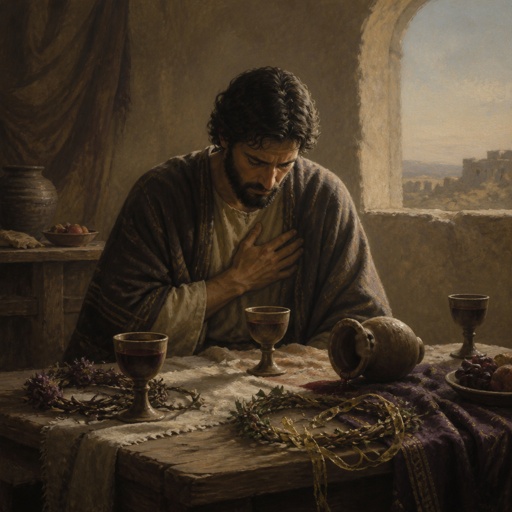
"Whoredom and wine and new wine take away the heart." - Hosea 4:11

Hosea 11:7 - "And my people are bent to backsliding from me: though they called them to the most High, none at all would exalt him."

Hosea 10:9 - "O Israel, thou hast sinned from the days of Gibeah: there they stood: the battle in Gibeah against the children of iniquity did not overtake them."