What does Hosea 10:12 mean?
“Sow to yourselves in righteousness, reap in mercy; break up your fallow ground: for it is time to seek the LORD, till he come and rain righteousness upon you.” — Hosea 10:12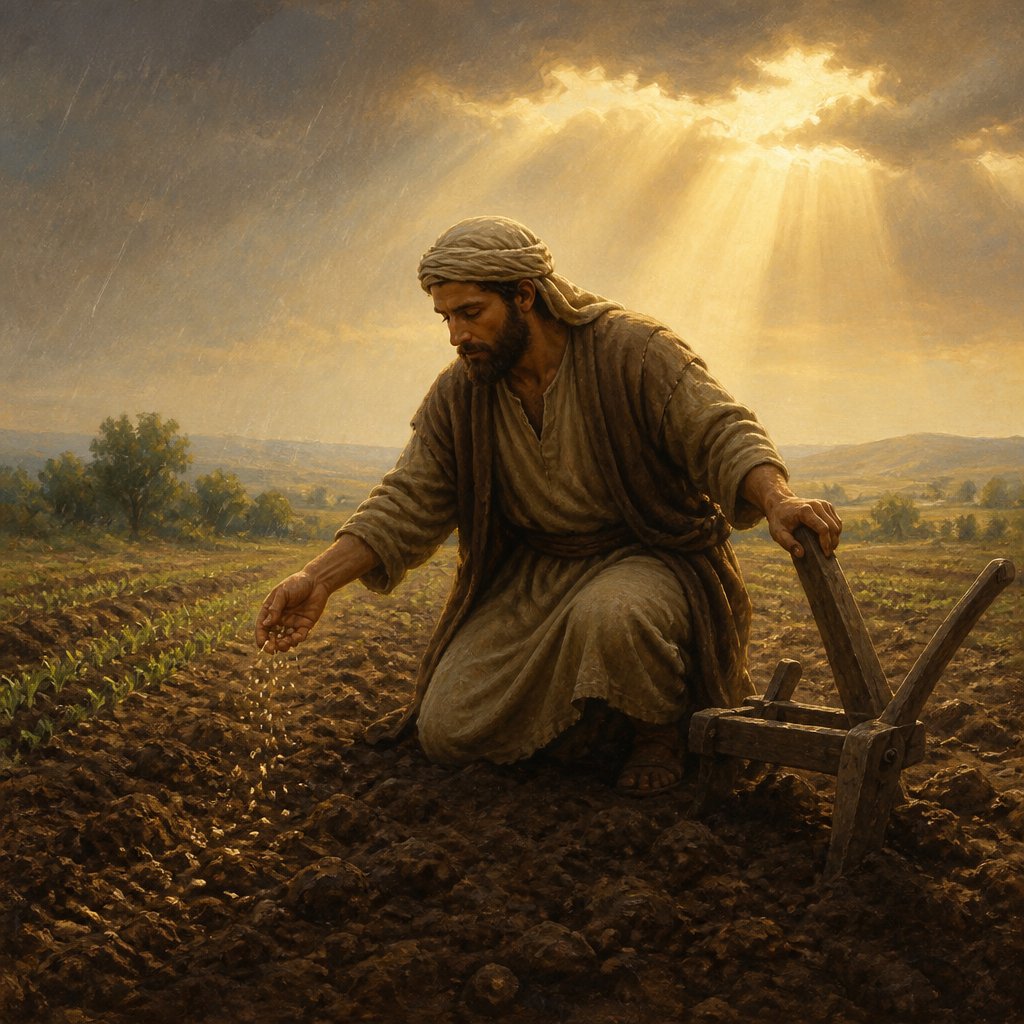
Hosea 10:12 in the KJV reads, “Sow to yourselves in righteousness, reap in mercy; break up your fallow ground: for it is time to seek the LORD, till he come and rain righteousness upon you.” In one sentence it gathers Hosea’s whole burden: Israel has been living off the harvest of its own sin, and the LORD calls them to repent with urgency so that judgment might be turned to mercy.
The immediate context in Hosea 10 is a divine lawsuit against a people who have become outwardly busy in religion and inwardly false in covenant love. Earlier in the chapter Israel is described as “an empty vine” that “bringeth forth fruit unto himself” (Hosea 10:1), meaning that what looks like fruitfulness has been turned inward and self-serving; prosperity has only multiplied altars and idols instead of gratitude and obedience. Their speech and worship are compromised: “They have spoken words, swearing falsely in making a covenant” (Hosea 10:4). Judgment is therefore pictured as inevitable unless there is real turning: “Judgment springeth up as hemlock in the furrows of the field” (Hosea 10:4). That image matters for verse 12: the “field” is the nation’s moral and spiritual life, and what is growing in it is poison. Hosea 10:12 interrupts that grim agricultural picture with an appeal: the field can be dealt with; the pattern can change; a different sowing can lead to a different harvest, but only through seeking the LORD.
The verse is built on farming imagery, but it is not about technique; it is about covenant repentance. “Sow to yourselves in righteousness” calls Israel to plant actions and choices that align with God’s righteousness, not merely to perform religious rituals. In Hosea, righteousness is never detached from faithfulness; it is the lived loyalty of a people who belong to the LORD. The phrase “to yourselves” stresses that Israel is not sowing for God’s benefit, as though He needed something from them, but for their own life and future. Sin had already shown them that sowing is never neutral; what is planted becomes what is reaped.
“Reap in mercy” introduces the hope that the LORD’s response to true repentance is not mechanical payback but covenant compassion. Mercy here stands as the opposite of what their deeds deserved; it is the LORD’s willingness to meet repentance with forgiveness and restoration. The logic is not that Israel earns mercy by righteousness, but that turning into the path of righteousness is the proper posture in which mercy is received. Throughout Hosea, God’s heart is torn between just judgment and compassionate restoration; the call to “reap in mercy” is the door held open to that restoration before the day of calamity closes it.
“Break up your fallow ground” deepens the symbolism. Fallow ground is soil left uncultivated, hardened, and resistant to seed. Spiritually, it pictures a heart made stubborn by long neglect, compromised worship, and repeated refusal to listen. Breaking it up is painful, disruptive work; it implies not a light adjustment but a decisive turning that disturbs what has become settled. In Hosea’s setting, Israel’s fallow ground includes entrenched idolatry, reliance on political alliances, empty sacrifices, and a culture accustomed to falsehood. The command recognizes that you cannot scatter seed of righteousness onto an unbroken surface and expect fruit; repentance must reach beneath the surface and change the conditions that prevent obedience from taking root.
“For it is time to seek the LORD” adds the note of urgency. Hosea is preaching in a season when judgment is already approaching, and the time to seek God is not indefinite. “Seek” in this covenant context is more than searching for information; it is returning to Him as the only source of life and security, abandoning rival trusts and rival loves. Israel had been “seeking” other things—altars, kings, treaties, idols—but Hosea presses the crisis: now is the time to seek the LORD Himself.
The last clause, “till he come and rain righteousness upon you,” shifts from human action to divine gift. The people are commanded to sow and break up ground, but only God can send the rain that makes growth possible. “Rain” evokes blessing, fruitfulness, and the renewal of the land, but in Hosea it especially signifies God’s restoring presence after drought-like judgment. That the rain is “righteousness” means the LORD does not merely improve circumstances; He re-establishes right order and covenant faithfulness among His people. The image is of righteousness coming down from above, as something bestowed and life-giving, not manufactured by Israel’s efforts alone. The word “till” also matters: they are to seek Him with perseverance, not with temporary remorse, but with steady return, until God Himself answers with renewal.
Taken as a whole, Hosea 10:12 stands at the crossroads between two harvests. Around it, Hosea describes what Israel has already done: “Ye have plowed wickedness, ye have reaped iniquity; ye have eaten the fruit of lies” (Hosea 10:13). Verse 12 is the merciful alternative offered before the consequences fully land. It teaches that spiritual life operates like a field: what is cultivated in the heart and society will bear fruit; neglected ground must be broken; seeking the LORD is urgent; and every true renewal depends on God’s gracious “rain.” Its significance is that it holds together responsibility and grace—Israel must turn, yet only the LORD can send the righteousness that heals and restores.
Get our apps


Artwork for Hosea 10:12
!["Sow to yourselves in righteousness, reap in mercy; break up your fallow ground: for [it is] time to seek the LORD, till he come and rain righteousness upon you." - Hosea 10:12](https://media.bible.art/a825c8ac-e81e-4d35-9c2a-4c66d7d902cd-thumbnail.jpg)
"Sow to yourselves in righteousness, reap in mercy; break up your fallow ground: for [it is] time to seek the LORD, till he come and rain righteousness upon you." - Hosea 10:12

Hosea 10:12 - "Sow to yourselves in righteousness, reap in mercy; break up your fallow ground: for it is time to seek the LORD, till he come and rain righteousness upon you."
"Sow to yourselves in righteousness, reap in mercy; break up your fallow ground: for it is time to seek the LORD, till he come and rain righteousness upon you." - Hosea 10:12

Hosea 12:10 - "I have also spoken by the prophets, and I have multiplied visions, and used similitudes, by the ministry of the prophets."
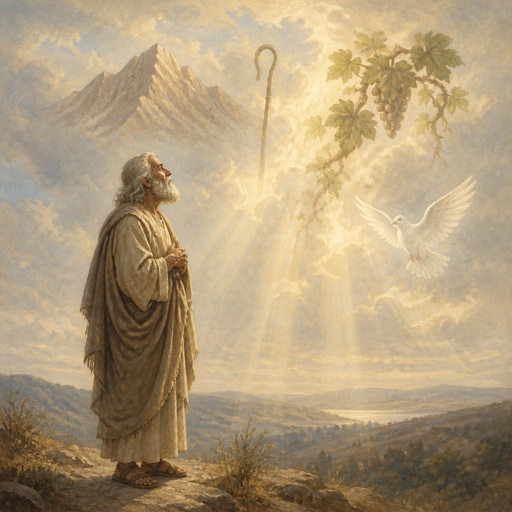
"I have also spoken by the prophets, and I have multiplied visions, and used similitudes, by the ministry of the prophets." - Hosea 12:10

Hosea 12:12 - "And Jacob fled into the country of Syria, and Israel served for a wife, and for a wife he kept sheep."

Hosea 12:5 - "Even the LORD God of hosts; the LORD is his memorial."

Hosea 5:12 - "Therefore will I be unto Ephraim as a moth, and to the house of Judah as rottenness."

Hosea 13:12 - "The iniquity of Ephraim is bound up; his sin is hid."

Hosea 12:13 - "And by a prophet the LORD brought Israel out of Egypt, and by a prophet was he preserved."

Hosea 10:7 - "As for Samaria, her king is cut off as the foam upon the water."

Hosea 10:10 - "It is in my desire that I should chastise them; and the people shall be gathered against them, when they shall bind themselves in their two furrows."

Hosea 12:3 - "¶ He took his brother by the heel in the womb, and by his strength he had power with God:"

Hosea 8:12 - "I have written to him the great things of my law, but they were counted as a strange thing."

Hosea 12:11 - "Is there iniquity in Gilead? surely they are vanity: they sacrifice bullocks in Gilgal; yea, their altars are as heaps in the furrows of the fields."

Hosea 12:6 - "Therefore turn thou to thy God: keep mercy and judgment, and wait on thy God continually."

Hosea 7:10 - "And the pride of Israel testifieth to his face: and they do not return to the LORD their God, nor seek him for all this."

Hosea 11:12 - "Ephraim compasseth me about with lies, and the house of Israel with deceit: but Judah yet ruleth with God, and is faithful with the saints."
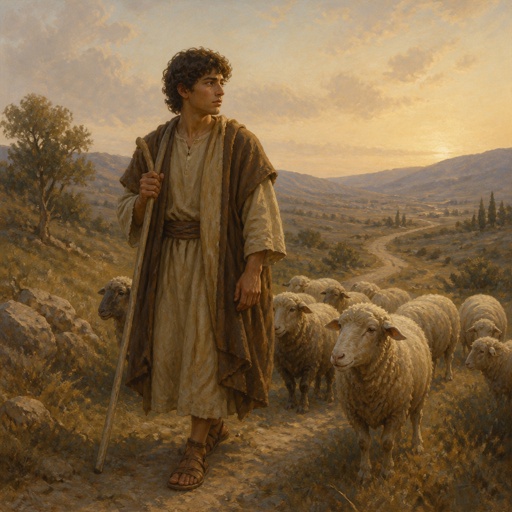
"And Jacob fled into the country of Syria, and Israel served for a wife, and for a wife he kept sheep." - Hosea 12:12

Hosea 2:10 - "And now will I discover her lewdness in the sight of her lovers, and none shall deliver her out of mine hand."

Hosea 10:4 - "They have spoken words, swearing falsely in making a covenant: thus judgment springeth up as hemlock in the furrows of the field."

Hosea 12:9 - "And I that am the LORD thy God from the land of Egypt will yet make thee to dwell in tabernacles, as in the days of the solemn feast."

Hosea 12:2 - "The LORD hath also a controversy with Judah, and will punish Jacob according to his ways; according to his doings will he recompense him."
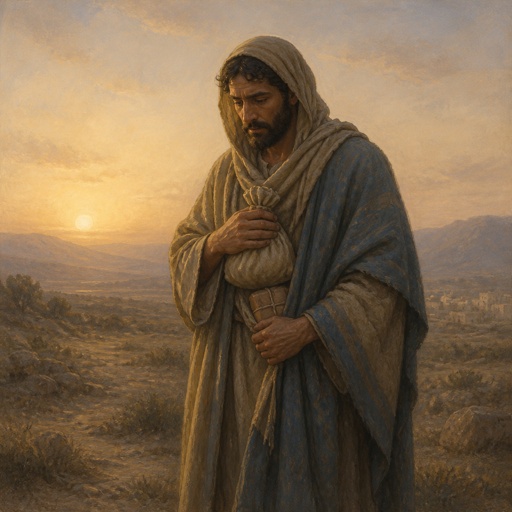
"The iniquity of Ephraim is bound up; his sin is hid." - Hosea 13:12

"Even the LORD God of hosts; the LORD is his memorial." - Hosea 12:5

Hosea 8:10 - "Yea, though they have hired among the nations, now will I gather them, and they shall sorrow a little for the burden of the king of princes."

Hosea 10:3 - "For now they shall say, We have no king, because we feared not the LORD; what then should a king do to us?"

Hosea 10:2 - "Their heart is divided; now shall they be found faulty: he shall break down their altars, he shall spoil their images."
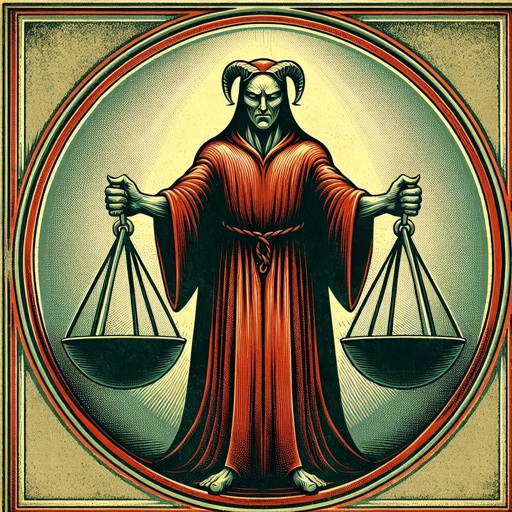
Hosea 12:7 - "¶ He is a merchant, the balances of deceit are in his hand: he loveth to oppress." The image should not depict explicit or offensive content but be symbolic.

Hosea 10:9 - "O Israel, thou hast sinned from the days of Gibeah: there they stood: the battle in Gibeah against the children of iniquity did not overtake them."