What does Hosea 12:3 mean?
“He took his brother by the heel in the womb, and by his strength he had power with God:” — Hosea 12:3
Hosea 12:3 from the King James Version of the Bible reads: "He took his brother by the heel in the womb, and by his strength he had power with God." This verse comes from the book of Hosea in the Old Testament, which is a collection of prophecies and teachings attributed to the prophet Hosea. The book is often seen as a poignant metaphor for the relationship between God and Israel, and Hosea himself is regarded as an important figure in the prophetic tradition.
To truly understand the meaning and significance of Hosea 12:3, it is important to consider the context in which it was written. The book of Hosea is primarily concerned with the unfaithfulness of the Israelites and their need for repentance and reconciliation with God. Hosea himself is instructed by God to marry a prostitute as a symbolic representation of the unfaithfulness of the people of Israel and to demonstrate God's enduring love and forgiveness.
In Hosea 12:3, the reference to "He took his brother by the heel in the womb" can be interpreted as a reference to the story of Jacob and Esau from the book of Genesis. Jacob, whose name means "heel-grabber" or "supplanter", was born grasping his twin brother Esau's heel, and this action was seen as a sign of his desire to gain the advantage over his brother. The verse may also be referring to the prophecy given to Rebekah, their mother, before the twins were born – "Two nations are in your womb, and two peoples from within you will be separated; one people will be stronger than the other, and the older will serve the younger" (Genesis 25:23). The reference to Jacob's strength and power with God may reflect the struggles and conflicts between the brothers, as well as Jacob's eventual transformation and wrestling with God at the river Jabbok, where he is given the name Israel.
This verse serves as a reminder of the complex and often contentious relationships within families, as well as the power of God to transform and redeem individuals. It also speaks to the theme of divine election and the idea that God chooses individuals for specific purposes, not based on their status or abilities, but according to His own sovereign will.
The imagery of grasping the heel and the struggle for power can be seen as symbolic of the human struggle for significance and control, as well as the tendency to rely on our own strength rather than trusting in God. The verse reminds us that true power comes from a relationship with God and His purposes, rather than from our own efforts or ambition.
The broader context of the book of Hosea reinforces the themes of reconciliation, redemption, and the enduring love of God. Despite the unfaithfulness of the Israelites, Hosea's marriage to Gomer serves as a powerful illustration of God's steadfast love and willingness to forgive. The reference to Jacob's struggle and eventual transformation also points to the possibility of redemption and renewal, even in the midst of brokenness and conflict.
In conclusion, Hosea 12:3 is a rich and complex verse that speaks to the broader themes of the book of Hosea and the biblical narrative as a whole. It serves as a reminder of God's sovereignty, grace, and redemptive power, as well as the human tendency to strive for significance and control apart from Him. The verse invites us to reflect on our own relationships, struggles, and the ways in which God may be working in and through our lives, ultimately pointing us towards a deeper reliance on His strength and a willingness to surrender to His purposes.
Get our apps


Artwork for Hosea 12:3

Hosea 12:3 - "¶ He took his brother by the heel in the womb, and by his strength he had power with God:"

Hosea 3:1

Hosea 12:12 - "And Jacob fled into the country of Syria, and Israel served for a wife, and for a wife he kept sheep."

Hosea 3:1-5

Hosea 12:5 - "Even the LORD God of hosts; the LORD is his memorial."

Hosea 5:12 - "Therefore will I be unto Ephraim as a moth, and to the house of Judah as rottenness."

Hosea 13:12 - "The iniquity of Ephraim is bound up; his sin is hid."

Hosea 7:3 - "They make the king glad with their wickedness, and the princes with their lies."

Hosea 12:13 - "And by a prophet the LORD brought Israel out of Egypt, and by a prophet was he preserved."

Hosea 8:3 - "Israel hath cast off the thing that is good: the enemy shall pursue him."

Hosea 8:12 - "I have written to him the great things of my law, but they were counted as a strange thing."

Hosea 12:11 - "Is there iniquity in Gilead? surely they are vanity: they sacrifice bullocks in Gilgal; yea, their altars are as heaps in the furrows of the fields."

Hosea 12:6 - "Therefore turn thou to thy God: keep mercy and judgment, and wait on thy God continually."

Hosea 12:10 - "I have also spoken by the prophets, and I have multiplied visions, and used similitudes, by the ministry of the prophets."

Hosea 11:3 - "I taught Ephraim also to go, taking them by their arms; but they knew not that I healed them."

Hosea 11:12 - "Ephraim compasseth me about with lies, and the house of Israel with deceit: but Judah yet ruleth with God, and is faithful with the saints."
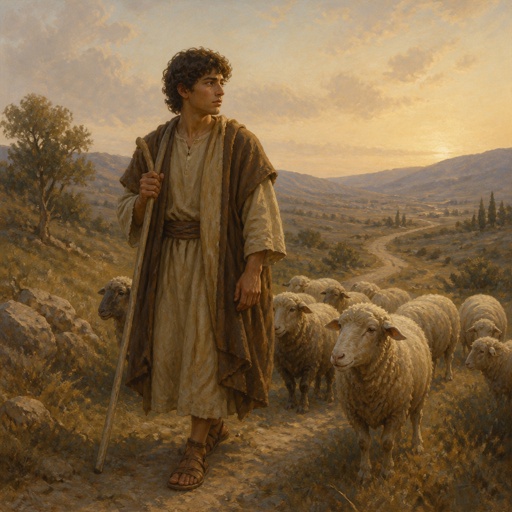
"And Jacob fled into the country of Syria, and Israel served for a wife, and for a wife he kept sheep." - Hosea 12:12

Hosea 9:3 - "They shall not dwell in the LORD'S land; but Ephraim shall return to Egypt, and they shall eat unclean things in Assyria."

Hosea 3:2 - "So I bought her to me for fifteen pieces of silver, and for an homer of barley, and an half homer of barley:"

Hosea 12:9 - "And I that am the LORD thy God from the land of Egypt will yet make thee to dwell in tabernacles, as in the days of the solemn feast."

Hosea 12:2 - "The LORD hath also a controversy with Judah, and will punish Jacob according to his ways; according to his doings will he recompense him."
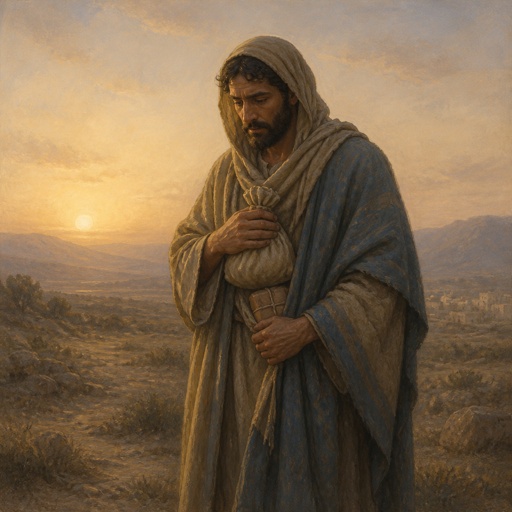
"The iniquity of Ephraim is bound up; his sin is hid." - Hosea 13:12

"Even the LORD God of hosts; the LORD is his memorial." - Hosea 12:5
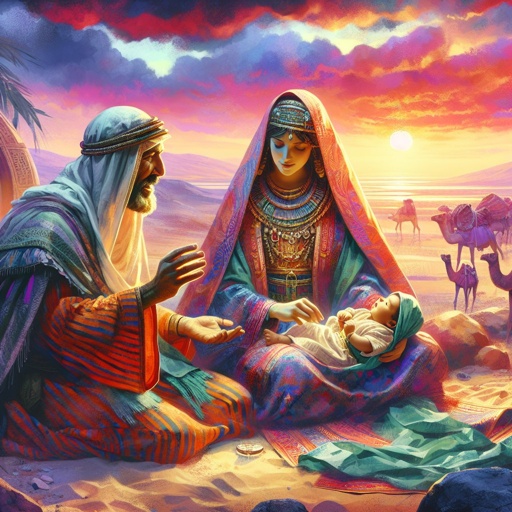
Hosea 1:3 - "So he went and took Gomer the daughter of Diblaim; which conceived, and bare him a son."
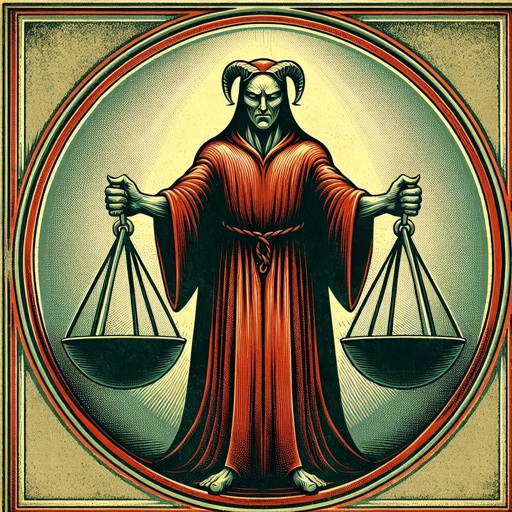
Hosea 12:7 - "¶ He is a merchant, the balances of deceit are in his hand: he loveth to oppress." The image should not depict explicit or offensive content but be symbolic.
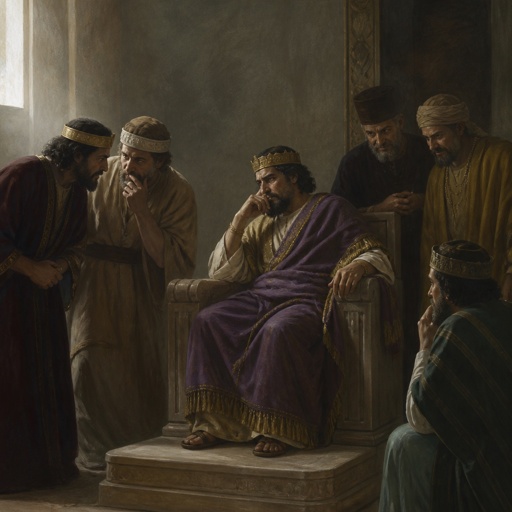
"They make the king glad with their wickedness, and the princes with their lies." - Hosea 7:3
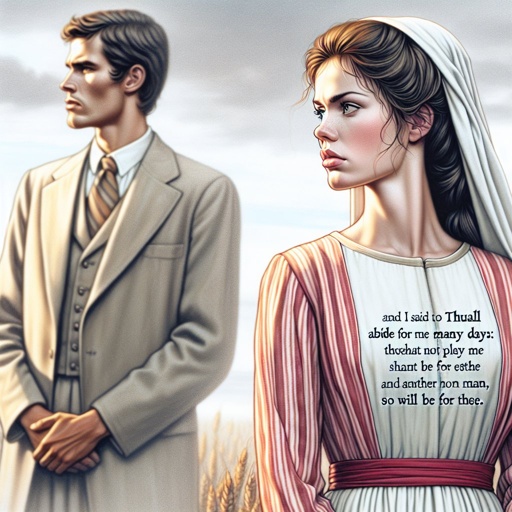
Hosea 3:3 - "And I said unto her, Thou shalt abide for me many days; thou shalt not play the harlot, and thou shalt not be for another man: so will I also be for thee."

Hosea 5:3 - "I know Ephraim, and Israel is not hid from me: for now, O Ephraim, thou committest whoredom, and Israel is defiled."
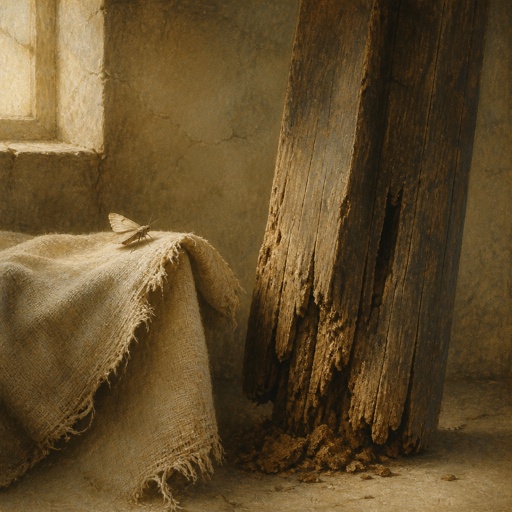
"Therefore will I be unto Ephraim as a moth, and to the house of Judah as rottenness." - Hosea 5:12

Hosea 10:3 - "For now they shall say, We have no king, because we feared not the LORD; what then should a king do to us?"