What does Hosea 13:5 mean?
“I did know thee in the wilderness, in the land of great drought.” — Hosea 13:5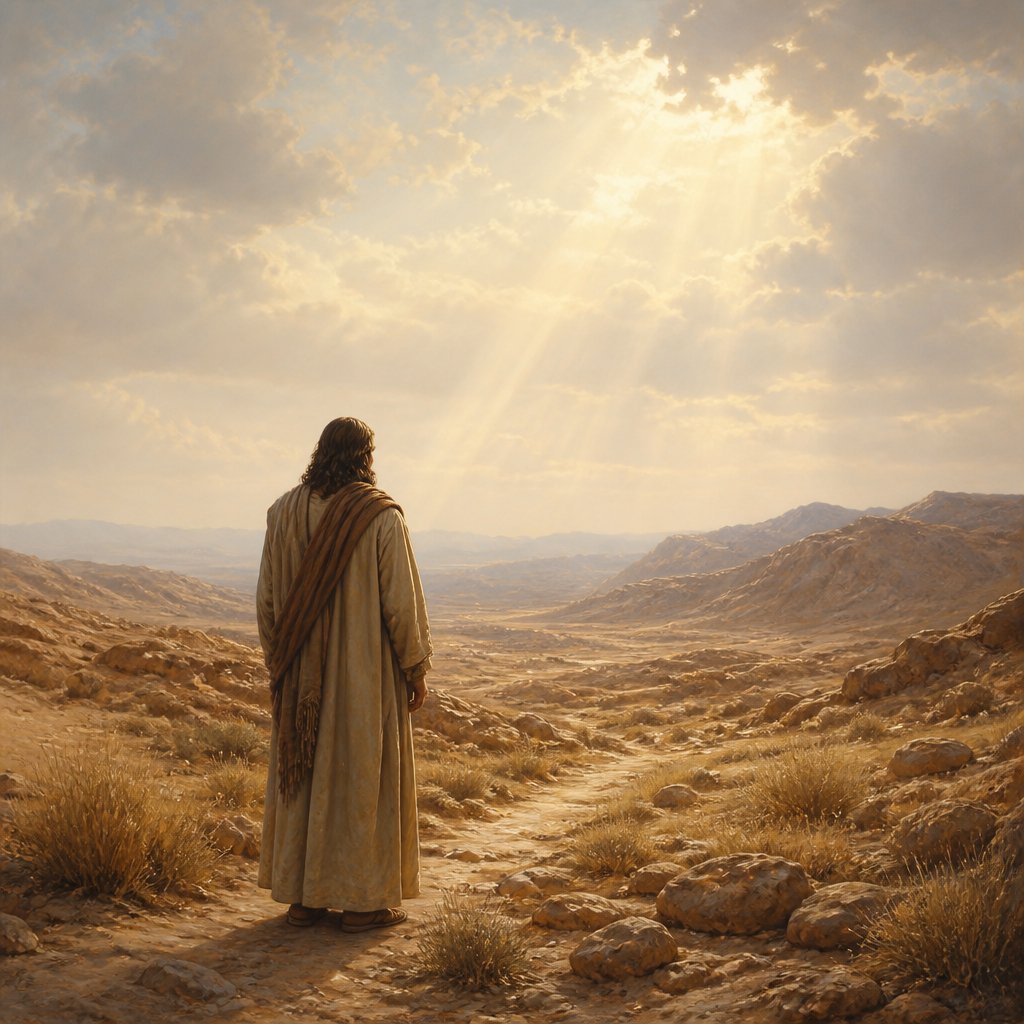
Hosea 13:5 in the King James Version (KJV) of the Bible reads, "I did know thee in the wilderness, in the land of great drought." This verse is found in the Old Testament book of Hosea, which is one of the minor prophets. Hosea was a prophet who prophesied to the northern kingdom of Israel during a time of moral and spiritual decline. He used his own personal experiences, particularly his troubled marriage to an adulterous wife, to symbolize the unfaithfulness of Israel to God.
In Hosea 13:5, the prophet reminds the people of Israel that God knew them in the wilderness, during times of scarcity and need. The wilderness and the land of great drought are symbolic of the trials and struggles that Israel faced in their history. Throughout the Old Testament, the wilderness often represents a place of testing, purification, and preparation for God's people. It was in the wilderness that the Israelites were led by Moses after their escape from slavery in Egypt, and it was there that they experienced God's provision and presence in a powerful way. The land of great drought conveys a sense of barrenness, desolation, and spiritual dryness.
The verse can be interpreted in several ways, but one key theme is the faithfulness of God contrasted with the unfaithfulness of His people. The reference to the wilderness and the land of great drought serves as a reminder of God's enduring presence and provision, even in the midst of difficult circumstances. It highlights the contrast between God's faithfulness and Israel's unfaithfulness. Despite being known by God in their times of need, the people of Israel turned away from Him and pursued idols and false gods.
The verse also serves as a warning of the consequences of turning away from God. In the preceding verses, Hosea speaks of the people's sin and rebellion against God, and the judgment that will come as a result. The use of the wilderness and the land of great drought as a backdrop to this warning emphasizes the idea that turning away from God leads to spiritual barrenness and desolation. It serves as a reminder that God's presence and provision are essential for sustaining and nourishing the soul, and that abandoning God for idols and false gods will ultimately lead to emptiness and despair.
The imagery of the wilderness and the land of great drought also carries a message of hope and restoration. In the midst of spiritual dryness and desolation, God's faithfulness remains steadfast. Just as He knew His people in the wilderness, He continues to know and care for them in their times of need. This points to the possibility of repentance, forgiveness, and renewal for those who turn back to God. The verse encourages the people of Israel to remember God's faithfulness and to return to Him with a humble and contrite heart.
In a broader theological context, Hosea 13:5 foreshadows the ultimate provision and salvation that comes through Jesus Christ. In the New Testament, Jesus is often depicted as the fulfillment of the wilderness experience, as He faced temptation and testing in the wilderness before beginning His public ministry. He is also portrayed as the living water that quenches the spiritual drought and satisfies the thirst of the soul.
The symbolism in Hosea 13:5 can also be seen in the context of the Christian life. Believers may experience their own spiritual wilderness and drought, facing times of testing, difficulty, and dryness. However, the verse serves as a reminder that God's presence and provision are constant, even in the midst of trials. It encourages believers to remain faithful to God, even in the wilderness, trusting in His faithfulness and seeking His renewal and restoration.
In conclusion, Hosea 13:5 in the King James Version of the Bible carries rich symbolism and important themes of faithfulness, warning, hope, and renewal. It serves as a powerful reminder of God's enduring presence and provision, even in the midst of spiritual wilderness and drought. It also calls for humility, repentance, and a return to God in times of unfaithfulness. Ultimately, the verse points to the faithfulness and provision of God, as well as the hope and restoration that come through a renewed relationship with Him.
Get our apps


Artwork for Hosea 13:5

Hosea 13:5 - "¶ I did know thee in the wilderness, in the land of great drought."
"¶ I did know thee in the wilderness, in the land of great drought." - Hosea 13:5

Hosea 5:13 - "When Ephraim saw his sickness, and Judah saw his wound, then went Ephraim to the Assyrian, and sent to king Jareb: yet could he not heal you, nor cure you of your wound."

Hosea 3:1-5

Hosea 13:12 - "The iniquity of Ephraim is bound up; his sin is hid."

Hosea 12:5 - "Even the LORD God of hosts; the LORD is his memorial."

Hosea 12:13 - "And by a prophet the LORD brought Israel out of Egypt, and by a prophet was he preserved."

Hosea 13:9 - "¶ O Israel, thou hast destroyed thyself; but in me is thine help."

Hosea 1:2-11;2:14;3:5

Hosea 5:12 - "Therefore will I be unto Ephraim as a moth, and to the house of Judah as rottenness."

Hosea 14:5-6 – "I will be like the dew to Israel; he will blossom like a lily."

Hosea 13:7 - "Therefore I will be unto them as a lion: as a leopard by the way will I observe them:"

Hosea 9:5 - "What will ye do in the solemn day, and in the day of the feast of the LORD?"

Hosea 13:13 - "The sorrows of a travailing woman shall come upon him: he is an unwise son; for he should not stay long in the place of the breaking forth of children."
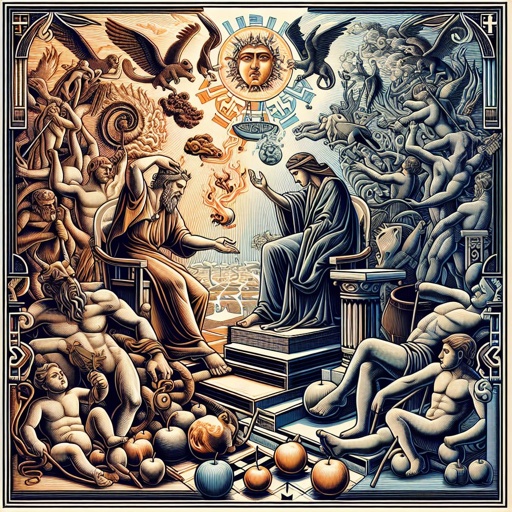
Hosea 5:5 - "And the pride of Israel doth testify to his face: therefore shall Israel and Ephraim fall in their iniquity; Judah also shall fall with them."

Hosea 1:5 - "And it shall come to pass at that day, that I will break the bow of Israel in the valley of Jezreel."

Hosea 13:11 - "I gave thee a king in mine anger, and took him away in my wrath."

Hosea 5:11 - "Ephraim is oppressed and broken in judgment, because he willingly walked after the commandment."

Hosea 5:2 - "And the revolters are profound to make slaughter, though I have been a rebuker of them all."

Hosea 13:6 - "According to their pasture, so were they filled; they were filled, and their heart was exalted; therefore have they forgotten me."

Hosea 9:13 - "Ephraim, as I saw Tyrus, is planted in a pleasant place: but Ephraim shall bring forth his children to the murderer."

Hosea 13:1 - "When Ephraim spake trembling, he exalted himself in Israel; but when he offended in Baal, he died."

Hosea 11:5 - "¶ He shall not return into the land of Egypt, but the Assyrian shall be his king, because they refused to return."

Hosea 14:5 - "I will be as the dew unto Israel: he shall grow as the lily, and cast forth his roots as Lebanon."
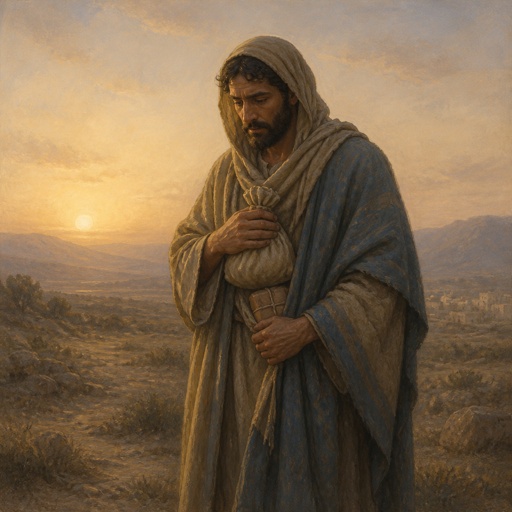
"The iniquity of Ephraim is bound up; his sin is hid." - Hosea 13:12

Hosea 5:8 - "Blow ye the cornet in Gibeah, and the trumpet in Ramah: cry aloud at Beth-aven, after thee, O Benjamin."

Hosea 5:7 - "They have dealt treacherously against the LORD: for they have begotten strange children: now shall a month devour them with their portions."

Hosea 5:15 - "¶ I will go and return to my place, till they acknowledge their offence, and seek my face: in their affliction they will seek me early."

Hosea 5:6 - "They shall go with their flocks and with their herds to seek the LORD; but they shall not find him; he hath withdrawn himself from them."

Hosea 5:3 - "I know Ephraim, and Israel is not hid from me: for now, O Ephraim, thou committest whoredom, and Israel is defiled."