What does Hosea 14:7 mean?
“They that dwell under his shadow shall return; they shall revive as the corn, and grow as the vine: the scent thereof shall be as the wine of Lebanon.” — Hosea 14:7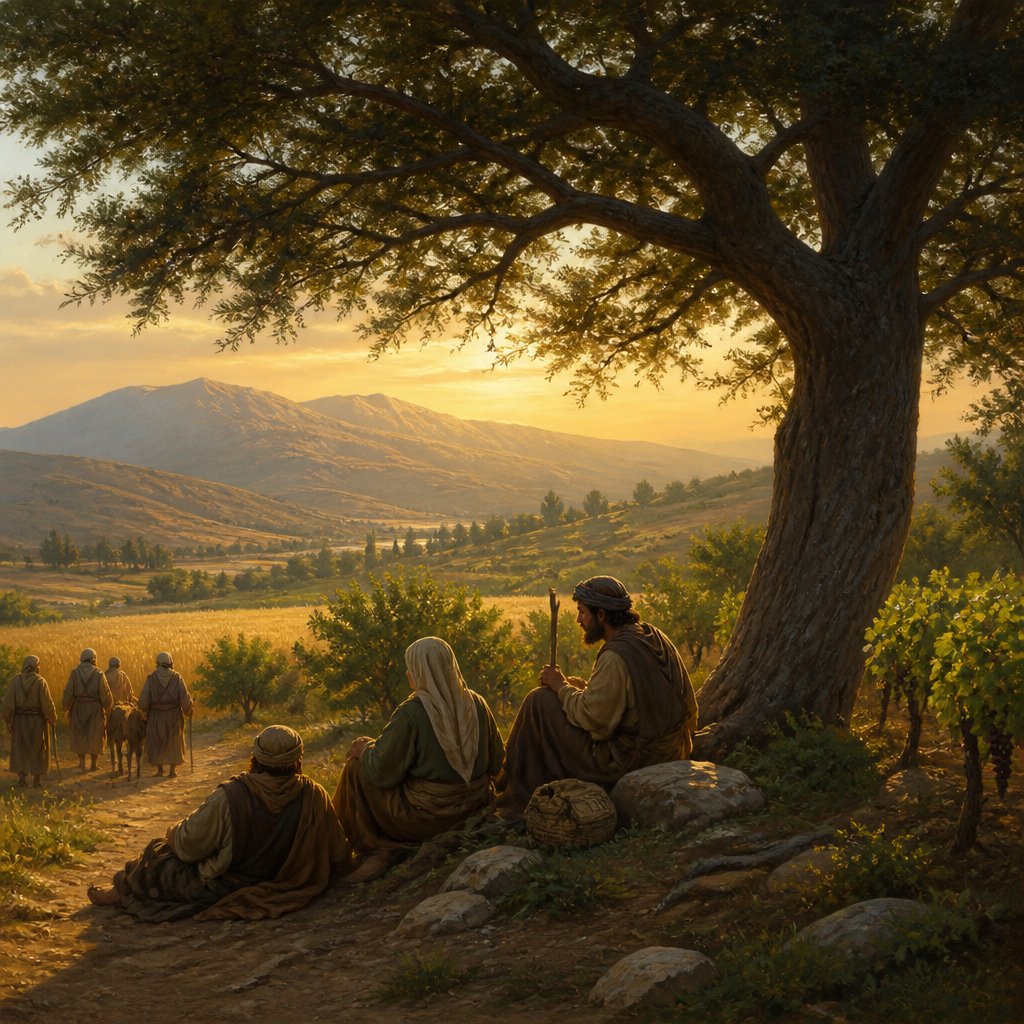
Hosea 14:7 (KJV) states, "They that dwell under his shadow shall return; they shall revive as the corn, and grow as the vine: the scent thereof shall be as the wine of Lebanon."
The book of Hosea is the first of the twelve Minor Prophets and is attributed to the prophet Hosea, who lived in the northern kingdom of Israel during the 8th century BC. The book is a powerful and emotional portrayal of Hosea's relationship with his unfaithful wife, which serves as a metaphor for God's relationship with the unfaithful Israelites. Hosea's messages are characterized by declarations of judgment for Israel's idolatry and unfaithfulness, but also by promises of restoration and renewal for those who repent and return to God.
In Hosea 14:7, we see a beautiful picture of the restoration and renewal promised to those who turn back to God. The verse begins with the promise that those who dwell under God's shadow will return. This image of dwelling under God's shadow is a powerful symbol of protection, provision, and intimacy with God. It is a place of safety and shelter, where one can find rest and renewal. The promise of returning under God's shadow implies a turning away from sin and a recommitment to a close relationship with God.
The verse goes on to describe the transformation that will take place in those who return to God. They will revive as the corn and grow as the vine. This imagery of revival and growth conveys the idea of new life and abundance. The corn and vine were symbols of prosperity and fertility in ancient Israel, and here they represent the spiritual prosperity and abundance that comes from being in a right relationship with God. Just as the corn and vine grow and bear fruit, those who return to God will experience growth and bear the fruits of righteousness in their lives.
Finally, the verse ends with the beautiful imagery of the scent of those who return to God being like the wine of Lebanon. The wine of Lebanon was highly prized in the ancient world for its quality and fragrance. Here, it symbolizes the sweet fragrance of the lives of those who have been restored and renewed by God. Their lives will be pleasing and fragrant, a reflection of the goodness and faithfulness of God.
Overall, Hosea 14:7 is a powerful and hopeful message of restoration and renewal for those who turn back to God. It conveys the idea of God's protective and nurturing presence, the promise of new life and growth, and the sweet fragrance of a life transformed by God. This verse speaks to the themes of repentance, restoration, and God's faithfulness, which are central to the message of the book of Hosea.
In its broader context, Hosea 14:7 is part of the concluding chapter of the book of Hosea, where the prophet calls the people of Israel to return to the Lord and promises them restoration and healing if they do so. Throughout the book, Hosea has used his own tumultuous relationship with his unfaithful wife as a metaphor for Israel's unfaithfulness to God. He has vividly portrayed the consequences of their idolatry and rebellion, but he has also offered them hope and a way back to God.
The imagery in Hosea 14:7 is deeply rooted in the agricultural and cultural context of ancient Israel. The references to corn, vine, and the wine of Lebanon would have resonated with the original audience, who would have understood the significance of these symbols in their daily lives. These images would have evoked associations of provision, fertility, and abundance, further emphasizing the message of restoration and renewal.
Symbolically, Hosea 14:7 conveys the idea of God's nurturing and protective presence as well as the promise of spiritual growth and fruitfulness. It paints a beautiful picture of the transformation that takes place when one returns to God, using powerful images that would have deeply resonated with the original audience.
In conclusion, Hosea 14:7 is a powerful and hopeful message of restoration and renewal for those who turn back to God. It conveys the idea of God's protective and nurturing presence, the promise of new life and growth, and the sweet fragrance of a life transformed by God. This verse speaks to the themes of repentance, restoration, and God's faithfulness, which are central to the message of the book of Hosea. It offers a powerful and timeless message of hope and encouragement for all who seek to return to God and experience his life-transforming grace.
Get our apps


Artwork for Hosea 14:7
Hosea 14:7 - "They that dwell under his shadow shall return; they shall revive as the corn, and grow as the vine: the scent thereof shall be as the wine of Lebanon."
"They that dwell under his shadow shall return; they shall revive as the corn, and grow as the vine: the scent thereof shall be as the wine of Lebanon." - Hosea 14:7
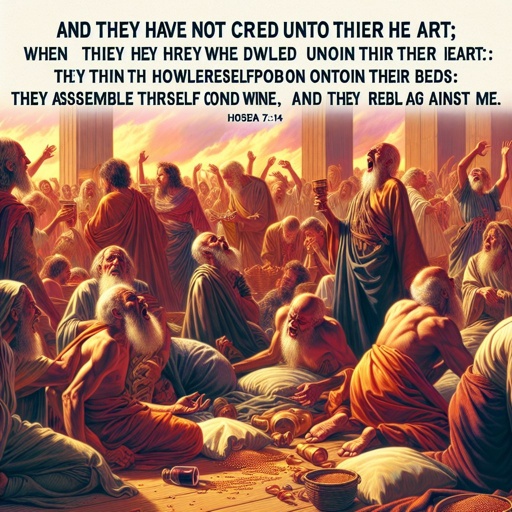
Hosea 7:14 - "And they have not cried unto me with their heart, when they howled upon their beds: they assemble themselves for corn and wine, and they rebel against me."

Hosea 14:5-6 – "I will be like the dew to Israel; he will blossom like a lily."

Hosea 7:3 - "They make the king glad with their wickedness, and the princes with their lies."
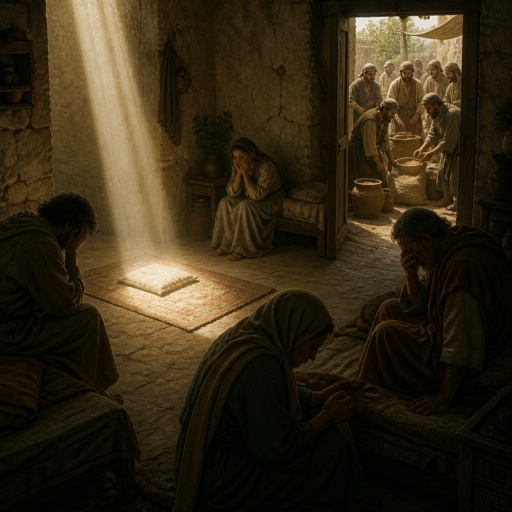
"And they have not cried unto me with their heart, when they howled upon their beds: they assemble themselves for corn and wine, and they rebel against me." - Hosea 7:14

Hosea 10:7 - "As for Samaria, her king is cut off as the foam upon the water."

Hosea 7:7 - "They are all hot as an oven, and have devoured their judges; all their kings are fallen: there is none among them that calleth unto me."

Hosea 14:1 - "O Israel, return unto the LORD thy God; for thou hast fallen by thine iniquity."

Hosea 2:14 - "¶ Therefore, behold, I will allure her, and bring her into the wilderness, and speak comfortably unto her."

Hosea 13:7 - "Therefore I will be unto them as a lion: as a leopard by the way will I observe them:"

Hosea 6:7 - "But they like men have transgressed the covenant: there have they dealt treacherously against me."

Hosea 7:8 - "Ephraim, he hath mixed himself among the people; Ephraim is a cake not turned."

Hosea 14:4 - "¶ I will heal their backsliding, I will love them freely: for mine anger is turned away from him."

Hosea 14:6 - "His branches shall spread, and his beauty shall be as the olive tree, and his smell as Lebanon."

Hosea 7:11 - "¶ Ephraim also is like a silly dove without heart: they call to Egypt, they go to Assyria."

Hosea 14:5 - "I will be as the dew unto Israel: he shall grow as the lily, and cast forth his roots as Lebanon."

Hosea 4:7 - "As they were increased, so they sinned against me: therefore will I change their glory into shame."

Hosea 2:14-15 – "Therefore I am now going to allure her; I will lead her into the wilderness and speak tenderly to her."
Hosea 9:14 - "Give them, O LORD: what wilt thou give? give them a miscarrying womb and dry breasts."

Hosea 2:14-15 – "Therefore I am now going to allure her; I will lead her into the wilderness and speak tenderly to her."

Hosea 7:15 - "Though I have bound and strengthened their arms, yet do they imagine mischief against me."

Hosea 7:10 - "And the pride of Israel testifieth to his face: and they do not return to the LORD their God, nor seek him for all this."
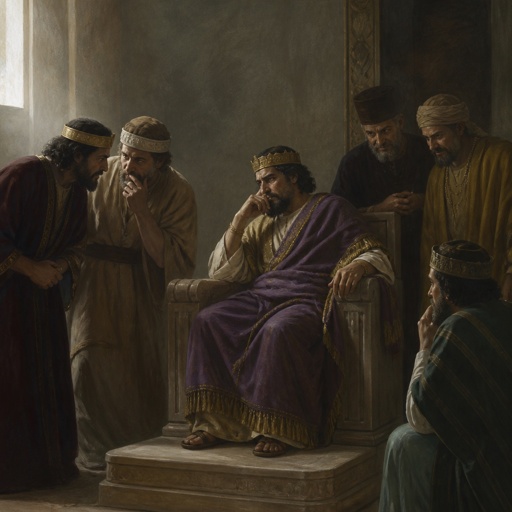
"They make the king glad with their wickedness, and the princes with their lies." - Hosea 7:3
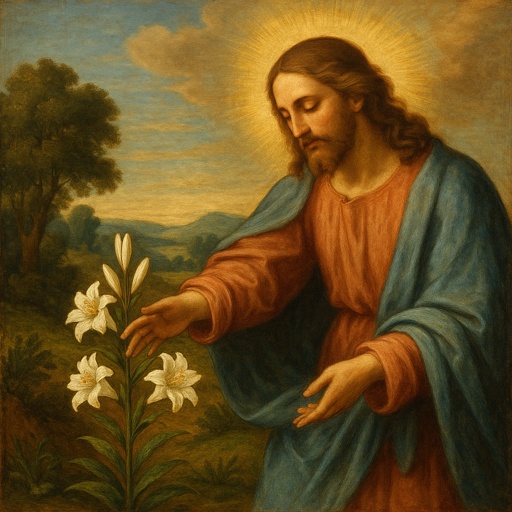
"I will be as the dew unto Israel: he shall grow as the lily, and cast forth his roots as Lebanon." - Hosea 14:5
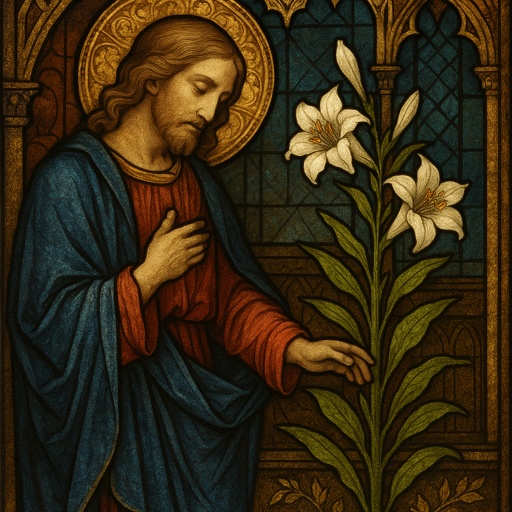
"I will be as the dew unto Israel: he shall grow as the lily, and cast forth his roots as Lebanon." - Hosea 14:5

Hosea 5:7 - "They have dealt treacherously against the LORD: for they have begotten strange children: now shall a month devour them with their portions."

Hosea 7:9 - "Strangers have devoured his strength, and he knoweth it not: yea, gray hairs are here and there upon him, yet he knoweth not."

Hosea 7:5 - "In the day of our king the princes have made him sick with bottles of wine; he stretched out his hand with scorners."

Hosea 7:4 - "They are all adulterers, as an oven heated by the baker, who ceaseth from raising after he hath kneaded the dough, until it be leavened."