What does Hosea 14:3 mean?
“Asshur shall not save us; we will not ride upon horses: neither will we say any more to the work of our hands, Ye are our gods: for in thee the fatherless findeth mercy.” — Hosea 14:3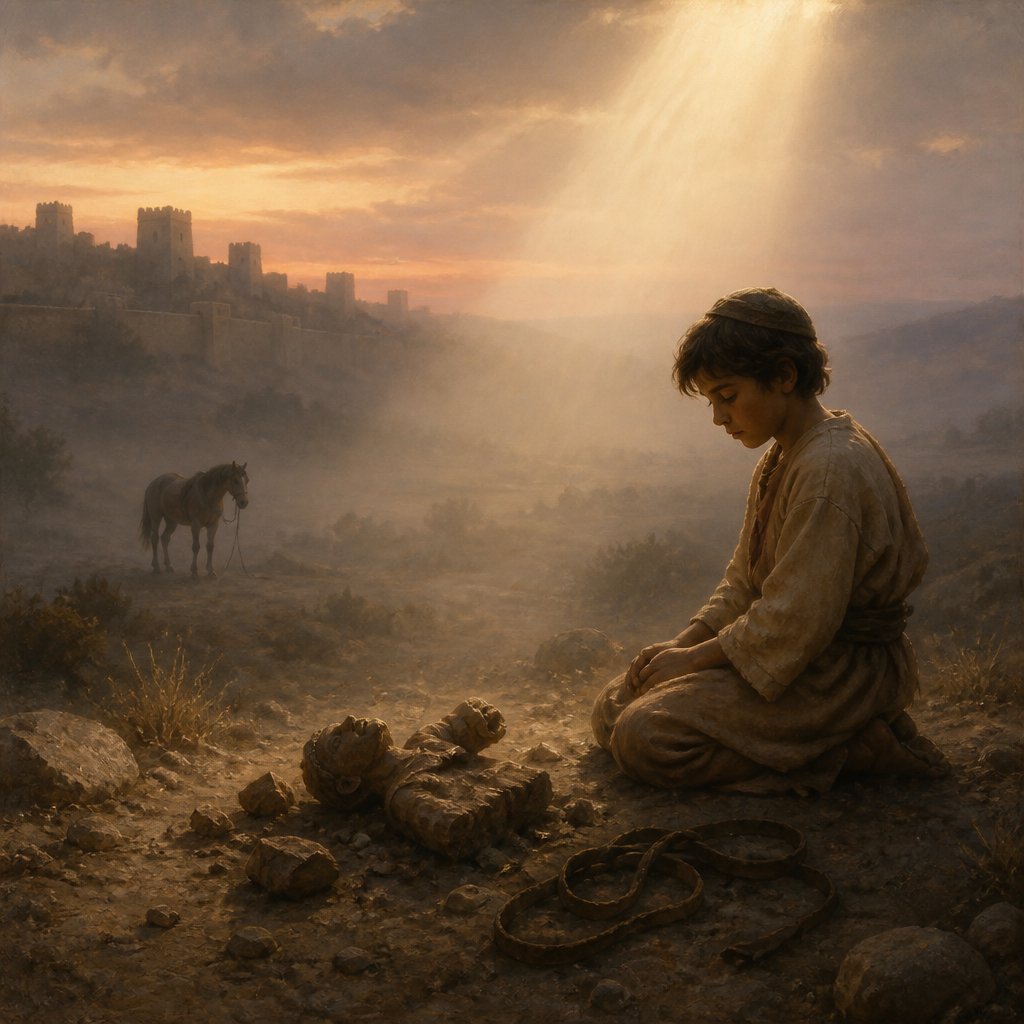
"Hosea 14:3 (KJV) - Asshur shall not save us; we will not ride upon horses: neither will we say any more to the work of our hands, Ye are our gods: for in thee the fatherless findeth mercy."
Hosea 14:3 is the concluding verse of the book of Hosea, which is one of the twelve minor prophets in the Old Testament. This verse signifies a turning point in the book, representing the ultimate reconciliation between God and his people. The context of this verse is crucial for fully understanding its meaning and significance.
The book of Hosea primarily focuses on the relationship between God and the nation of Israel. In this relationship, God plays the role of a faithful husband, while Israel is depicted as an unfaithful wife. In the earlier chapters of the book, Hosea vividly describes the spiritual adultery and idolatry of the Israelites, as they turn away from God and worship false gods made by their own hands.
In the midst of this unfaithfulness, Hosea continuously calls the people to repentance. He warns them of the consequences of their actions, but also offers a message of hope and restoration if they were to turn back to God. This verse in Hosea 14:3 represents a pivotal moment where the people of Israel choose to abandon their reliance on foreign powers and idolatry, and instead turn to God for mercy and salvation.
The verse begins with the declaration, “Asshur shall not save us." This is a reference to the Assyrian Empire, which was a significant threat to Israel at the time. The Israelites had been tempted to seek protection and alliances with foreign powers, rather than relying on God for their safety and security. However, in this verse, they renounce their dependence on Assyria and any other earthly power, recognizing that true deliverance can only come from God.
The next phrase, “we will not ride upon horses," emphasizes a rejection of reliance on military power and human strength. Horses were a symbol of military might and warfare in ancient times, and the Israelites had often looked to their own military prowess for security. However, they now realize that true deliverance comes from God alone, not from their own strength or military might.
The verse continues, “neither will we say any more to the work of our hands, Ye are our gods.” This line illustrates a rejection of idolatry and a turning away from the worship of man-made idols. Throughout their history, the Israelites had repeatedly fallen into the trap of idol worship, crafting and worshipping gods of their own making. But now, they make a decisive choice to abandon these false gods and turn to the one true God.
Finally, the verse concludes with the affirmation, “for in thee the fatherless findeth mercy.” This represents a recognition of God’s compassion and mercy, particularly towards the vulnerable and marginalized in society. The term “fatherless” here symbolizes those who are without the protection and provision of a father, and is often used in the Bible to represent the oppressed and needy. By acknowledging that God is the source of mercy for the fatherless, the Israelites affirm their trust in God's care and provision for all who are in need.
Overall, Hosea 14:3 is a powerful declaration of repentance and renewed faith in God. It represents a turning away from reliance on earthly powers, idols, and human strength, and a turning towards God as the ultimate source of salvation and mercy. It serves as a reminder that true deliverance and security can only be found in God, and that turning to Him in repentance and faith brings restoration and new hope. The verse also contains a powerful message of God's compassion and care for the vulnerable, emphasizing his role as a protector and provider for all who are in need.
In the broader context of the book of Hosea, this verse serves as a fitting conclusion to the themes of unfaithfulness, judgement, and restoration that are woven throughout the book. It encapsulates the central message of the prophet Hosea, which is a call to repentance and a promise of God's unfailing love and mercy for his people. It also points towards the ultimate fulfillment of God's redemption through Jesus Christ, who offers true salvation and hope for all who turn to Him in faith.
Get our apps


Artwork for Hosea 14:3

Hosea 14:3 - "Asshur shall not save us; we will not ride upon horses: neither will we say any more to the work of our hands, Ye are our gods: for in thee the fatherless findeth mercy."
"Asshur shall not save us; we will not ride upon horses: neither will we say any more to the work of our hands, Ye are our gods: for in thee the fatherless findeth mercy." - Hosea 14:3

Hosea 3:1

Hosea 3:1-5

Hosea 14:5-6 – "I will be like the dew to Israel; he will blossom like a lily."

Hosea 1:2-11;2:14;3:5

Hosea 7:3 - "They make the king glad with their wickedness, and the princes with their lies."

Hosea 14:1 - "O Israel, return unto the LORD thy God; for thou hast fallen by thine iniquity."

Hosea 2:14 - "¶ Therefore, behold, I will allure her, and bring her into the wilderness, and speak comfortably unto her."

Hosea 14:4 - "¶ I will heal their backsliding, I will love them freely: for mine anger is turned away from him."

Hosea 14:6 - "His branches shall spread, and his beauty shall be as the olive tree, and his smell as Lebanon."

Hosea 8:3 - "Israel hath cast off the thing that is good: the enemy shall pursue him."

Hosea 14:5 - "I will be as the dew unto Israel: he shall grow as the lily, and cast forth his roots as Lebanon."

Hosea 2:14-15 – "Therefore I am now going to allure her; I will lead her into the wilderness and speak tenderly to her."
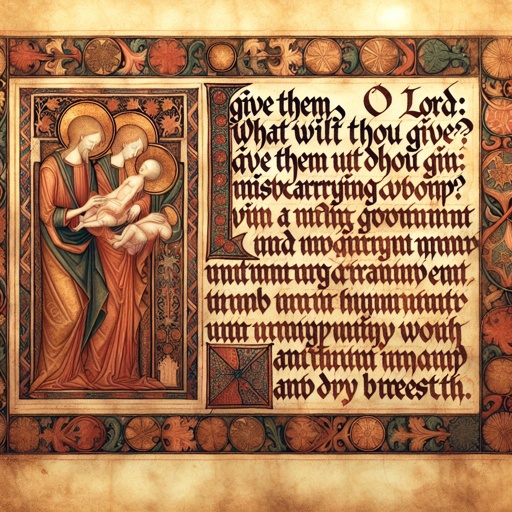
Hosea 9:14 - "Give them, O LORD: what wilt thou give? give them a miscarrying womb and dry breasts."

Hosea 2:14-15 – "Therefore I am now going to allure her; I will lead her into the wilderness and speak tenderly to her."

Hosea 12:3 - "¶ He took his brother by the heel in the womb, and by his strength he had power with God:"

Hosea 11:3 - "I taught Ephraim also to go, taking them by their arms; but they knew not that I healed them."

Hosea 9:3 - "They shall not dwell in the LORD'S land; but Ephraim shall return to Egypt, and they shall eat unclean things in Assyria."

Hosea 3:2 - "So I bought her to me for fifteen pieces of silver, and for an homer of barley, and an half homer of barley:"
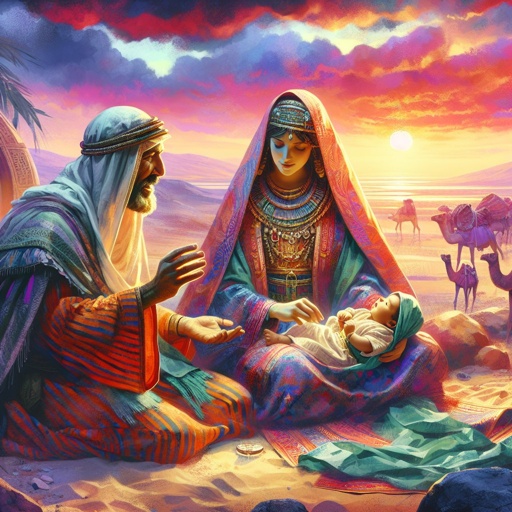
Hosea 1:3 - "So he went and took Gomer the daughter of Diblaim; which conceived, and bare him a son."
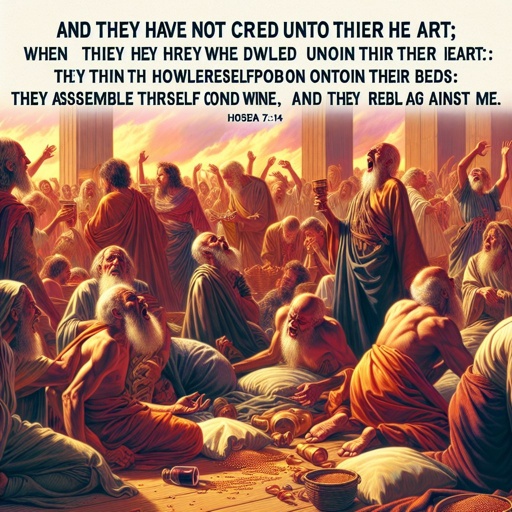
Hosea 7:14 - "And they have not cried unto me with their heart, when they howled upon their beds: they assemble themselves for corn and wine, and they rebel against me."
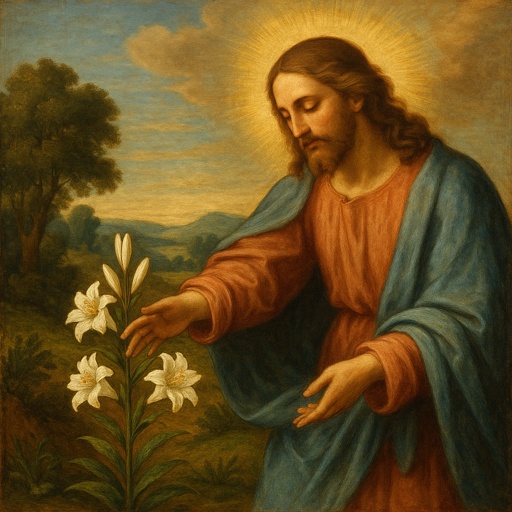
"I will be as the dew unto Israel: he shall grow as the lily, and cast forth his roots as Lebanon." - Hosea 14:5
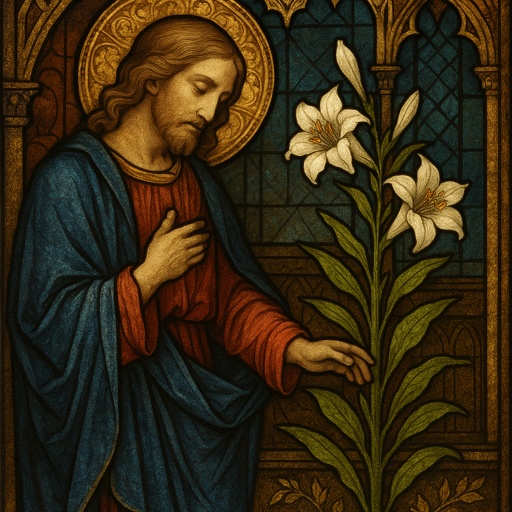
"I will be as the dew unto Israel: he shall grow as the lily, and cast forth his roots as Lebanon." - Hosea 14:5
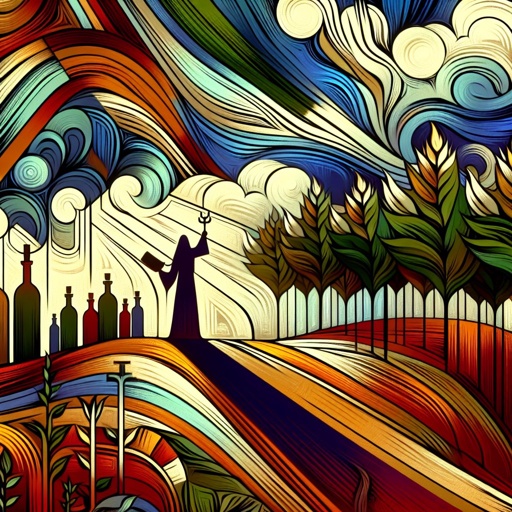
Hosea 14:7 - "They that dwell under his shadow shall return; they shall revive as the corn, and grow as the vine: the scent thereof shall be as the wine of Lebanon."
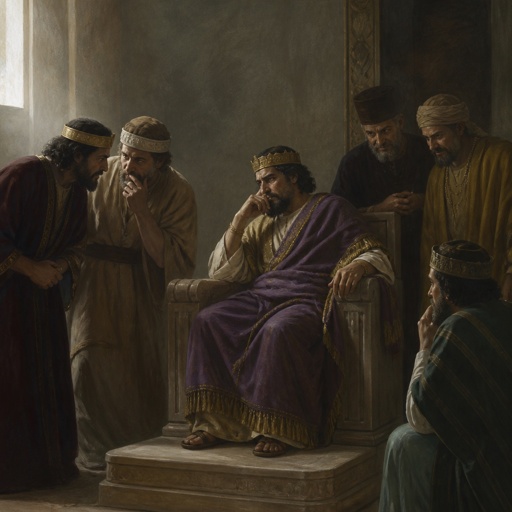
"They make the king glad with their wickedness, and the princes with their lies." - Hosea 7:3
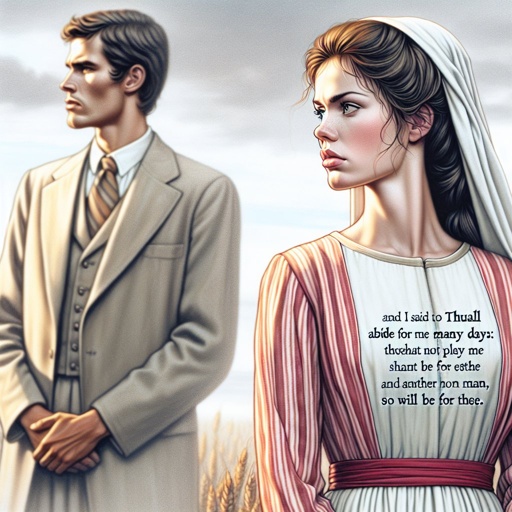
Hosea 3:3 - "And I said unto her, Thou shalt abide for me many days; thou shalt not play the harlot, and thou shalt not be for another man: so will I also be for thee."

Hosea 5:3 - "I know Ephraim, and Israel is not hid from me: for now, O Ephraim, thou committest whoredom, and Israel is defiled."

Hosea 10:3 - "For now they shall say, We have no king, because we feared not the LORD; what then should a king do to us?"

Hosea 14:2 - "Take with you words, and turn to the LORD: say unto him, Take away all iniquity, and receive us graciously: so will we render the calves of our lips."