What does Hosea 2:1 mean?
“Say ye unto your brethren, Ammi; and to your sisters, Ru-hamah.” — Hosea 2:1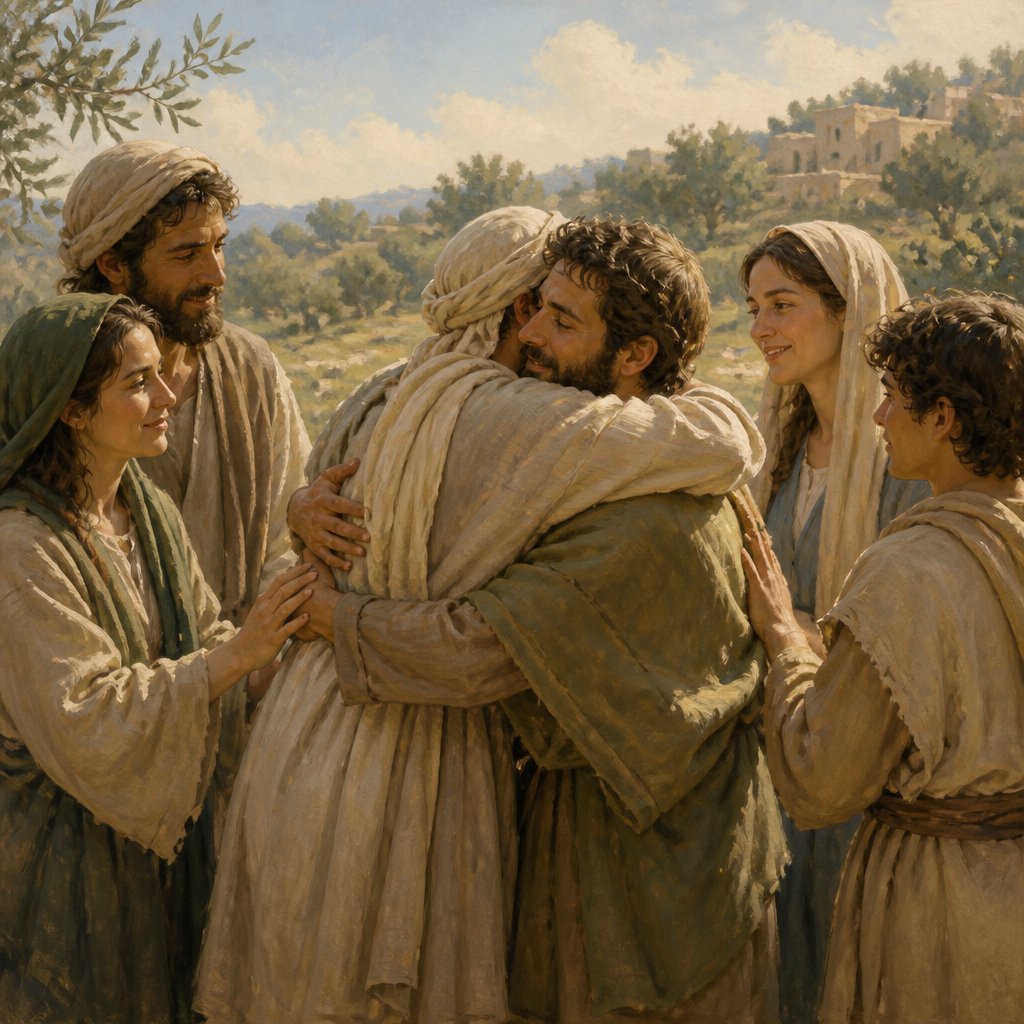
Hosea 2:1 in the King James Version reads, "Say ye unto your brethren, Ammi; and to your sisters, Ruhamah." This verse is part of the larger prophetic book of Hosea, which is found in the Old Testament of the Bible. The book of Hosea is often seen as a depiction of the relationship between God and His people, and the verse in question is a call to reconciliation and restoration within that relationship.
To fully understand the significance of this verse, it is important to consider the context in which it was written. Hosea was a prophet who lived in the Northern Kingdom of Israel during a time of great turmoil and unfaithfulness among the Israelites. The people had turned away from God and were worshipping false idols, engaging in immorality, and neglecting the poor and marginalized. In response to this unfaithfulness, God commanded Hosea to marry a prostitute named Gomer, symbolizing the unfaithfulness of Israel and the faithfulness of God.
In this verse, Hosea is instructing the Israelites to speak to one another in the language of reconciliation. The names "Ammi" and "Ruhamah" have specific meanings that carry important symbolic significance. "Ammi" means "my people," and "Ruhamah" means "loved" or "she has obtained mercy." By using these names, Hosea is calling the Israelites to recognize and affirm their identity as God's chosen people and to acknowledge God's enduring love and mercy towards them, despite their unfaithfulness.
The themes present in this verse are centered around the concepts of reconciliation, restoration, and the unconditional love and mercy of God. Throughout the book of Hosea, there is a constant tension between the unfaithfulness of the Israelites and the faithfulness of God. Despite their transgressions, God continues to pursue His people and call them back into relationship with Him. This theme resonates deeply with the overarching narrative of the Bible, which portrays God as a loving and merciful father who seeks to reconcile with His wayward children.
The use of names as a form of communication in this verse is also highly symbolic. Names in the biblical context often carry significant meaning and serve as a reflection of one's identity and destiny. In this case, the names "Ammi" and "Ruhamah" are affirmations of the Israelites' true identity as God's chosen people and the recipients of His love and mercy. This is a reminder that despite their waywardness, their true identity and worth are found in their relationship with God.
In a broader sense, this verse serves as a reminder of the power of words and affirmations in bringing about reconciliation and restoration. By speaking the words "Ammi" and "Ruhamah" to one another, the Israelites are not only acknowledging their own true identity, but are also affirming these truths to their fellow brothers and sisters. This act of speaking truth and affirmation is a powerful tool in rebuilding and strengthening relationships, both with one another and with God.
In conclusion, Hosea 2:1 is a powerful and evocative verse that calls the Israelites to recognize their true identity as God's chosen people and to acknowledge His enduring love and mercy towards them. It is a call to reconciliation and restoration, and a reminder of the power of words in affirming and strengthening relationships. The themes of reconciliation, restoration, and the unconditional love and mercy of God are central to this verse, and they resonate deeply with the overarching narrative of the Bible.
Get our apps


Artwork for Hosea 2:1

Hosea 2:1 - "Say ye unto your brethren, Ammi; and to your sisters, Ruhamah."
"Say ye unto your brethren, Ammi; and to your sisters, Ruhamah." - Hosea 2:1

Hosea 1:2

Hosea 1:2

Hosea 1:2 - "The beginning of the word of the LORD by Hosea. And the LORD said to Hosea, Go, take unto thee a wife of whoredoms and children of whoredoms: for the land hath committed great whoredom, departing from the LORD."

Hosea 1:2-11;2:14;3:5
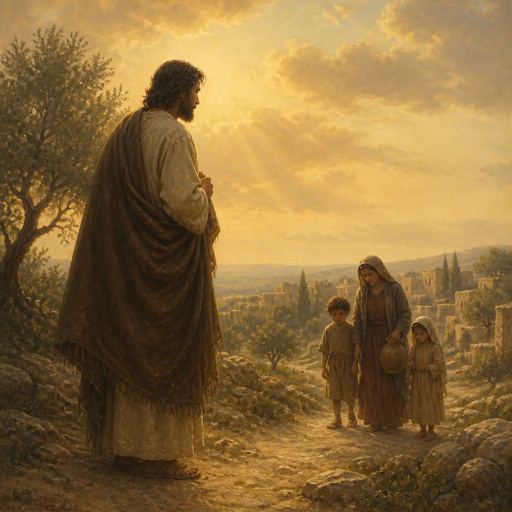
"The beginning of the word of the LORD by Hosea. And the LORD said to Hosea, Go, take unto thee a wife of whoredoms and children of whoredoms: for the land hath committed great whoredom, departing from the LORD." - Hosea 1:2
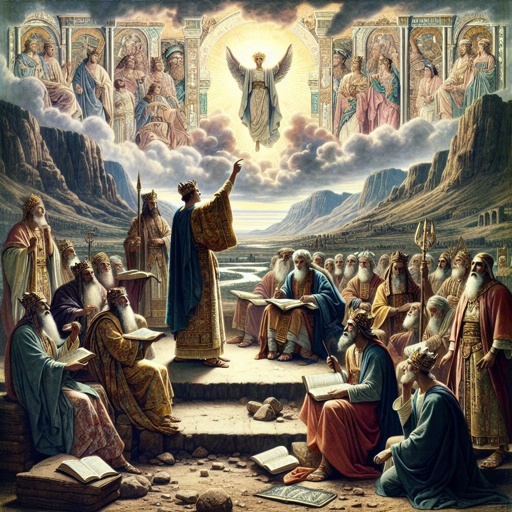
Hosea 1:1 - "The word of the LORD that came unto Hosea, the son of Beeri, in the days of Uzziah, Jotham, Ahaz, and Hezekiah, kings of Judah, and in the days of Jeroboam the son of Joash, king of Israel."

Hosea 3:1

Hosea 3:1-5

Hosea 2:4 - "And I will not have mercy upon her children; for they be the children of whoredoms."

Hosea 2:22 - "And the earth shall hear the corn, and the wine, and the oil; and they shall hear Jezreel."
![Use this verse to create an expressing for Black people art: Hoshĕa (Hosea) 4:1-2 TS2009
[1] Hear the word of יהוה, you children of Yisra’ĕl, for יהוה has a case against the inhabitants of the land: “For there is no truth or loving-commitment or knowledge of Elohim in the land. [2] “Swearing, and lying, and murdering, and stealing, and committing adultery have increased. And bloodshed follows bloodshed.](https://media.bible.art/7c5023f5-1507-4220-93ad-0f28d4b7c36c-thumbnail.jpg)
Use this verse to create an expressing for Black people art: Hoshĕa (Hosea) 4:1-2 TS2009 [1] Hear the word of יהוה, you children of Yisra’ĕl, for יהוה has a case against the inhabitants of the land: “For there is no truth or loving-commitment or knowledge of Elohim in the land. [2] “Swearing, and lying, and murdering, and stealing, and committing adultery have increased. And bloodshed follows bloodshed.

Hosea 5:2 - "And the revolters are profound to make slaughter, though I have been a rebuker of them all."

Hosea 4:2 - "By swearing, and lying, and killing, and stealing, and committing adultery, they break out, and blood toucheth blood."

Hosea 9:2 - "The floor and the winepress shall not feed them, and the new wine shall fail in her."

Hosea 8:2 - "Israel shall cry unto me, My God, we know thee."
![Create a black history art piece using this verse Hoshĕa (Hosea) 4:1-2 TS2009 [1] Hear the word of יהוה, you children of Yisra’ĕl, for יהוה has a case against the inhabitants of the land: “For there is no truth or loving-commitment or knowledge of Elohim in the land. [2] “Swearing, and lying, and murdering, and stealing, and committing adultery have increased. And bloodshed follows bloodshed.](https://media.bible.art/17d19fe9-6f41-43dd-b8eb-987fe75986bc-thumbnail.jpg)
Create a black history art piece using this verse Hoshĕa (Hosea) 4:1-2 TS2009 [1] Hear the word of יהוה, you children of Yisra’ĕl, for יהוה has a case against the inhabitants of the land: “For there is no truth or loving-commitment or knowledge of Elohim in the land. [2] “Swearing, and lying, and murdering, and stealing, and committing adultery have increased. And bloodshed follows bloodshed.

Hosea 2:14 - "¶ Therefore, behold, I will allure her, and bring her into the wilderness, and speak comfortably unto her."

Hosea 2:17 - "For I will take away the names of Baalim out of her mouth, and they shall no more be remembered by their name."

Hosea 2:20 - "I will even betroth thee unto me in faithfulness: and thou shalt know the LORD."

Hosea 1:5 - "And it shall come to pass at that day, that I will break the bow of Israel in the valley of Jezreel."

Hosea 3:2 - "So I bought her to me for fifteen pieces of silver, and for an homer of barley, and an half homer of barley:"

Hosea 1:8 - "¶ Now when she had weaned Lo-ruhamah, she conceived, and bare a son."

Hosea 4:1-2 - "Hear the word of the LORD, you Israelites, because the LORD has a charge to bring against you who live in the land: “There is no faithfulness, no love, no acknowledgment of God in the land. There is only cursing, lying and murder, stealing and adultery; they break all bounds, and bloodshed follows bloodshed."

Hosea 2:21 - "And it shall come to pass in that day, I will hear, saith the LORD, I will hear the heavens, and they shall hear the earth;"

Hosea 11:2 - "As they called them, so they went from them: they sacrificed unto Baalim, and burned incense to graven images."

Hosea 14:1 - "O Israel, return unto the LORD thy God; for thou hast fallen by thine iniquity."

Hosea 11:1 - "When Israel was a child, then I loved him, and called my son out of Egypt."
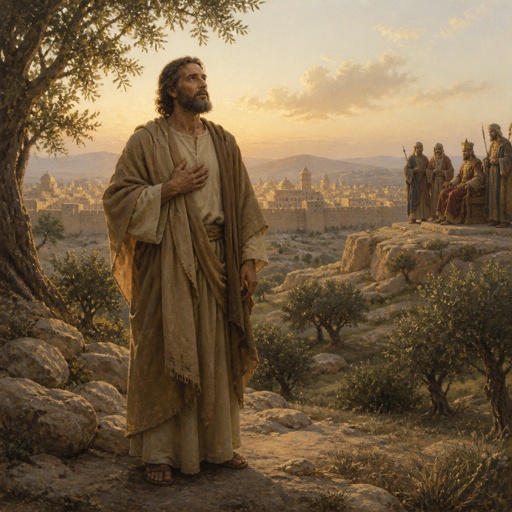
"The word of the LORD that came unto Hosea, the son of Beeri, in the days of Uzziah, Jotham, Ahaz, and Hezekiah, kings of Judah, and in the days of Jeroboam the son of Joash, king of Israel." - Hosea 1:1