What does Hosea 2:2 mean?
“Plead with your mother, plead: for she is not my wife, neither am I her husband: let her therefore put away her whoredoms out of her sight, and her adulteries from between her breasts;” — Hosea 2:2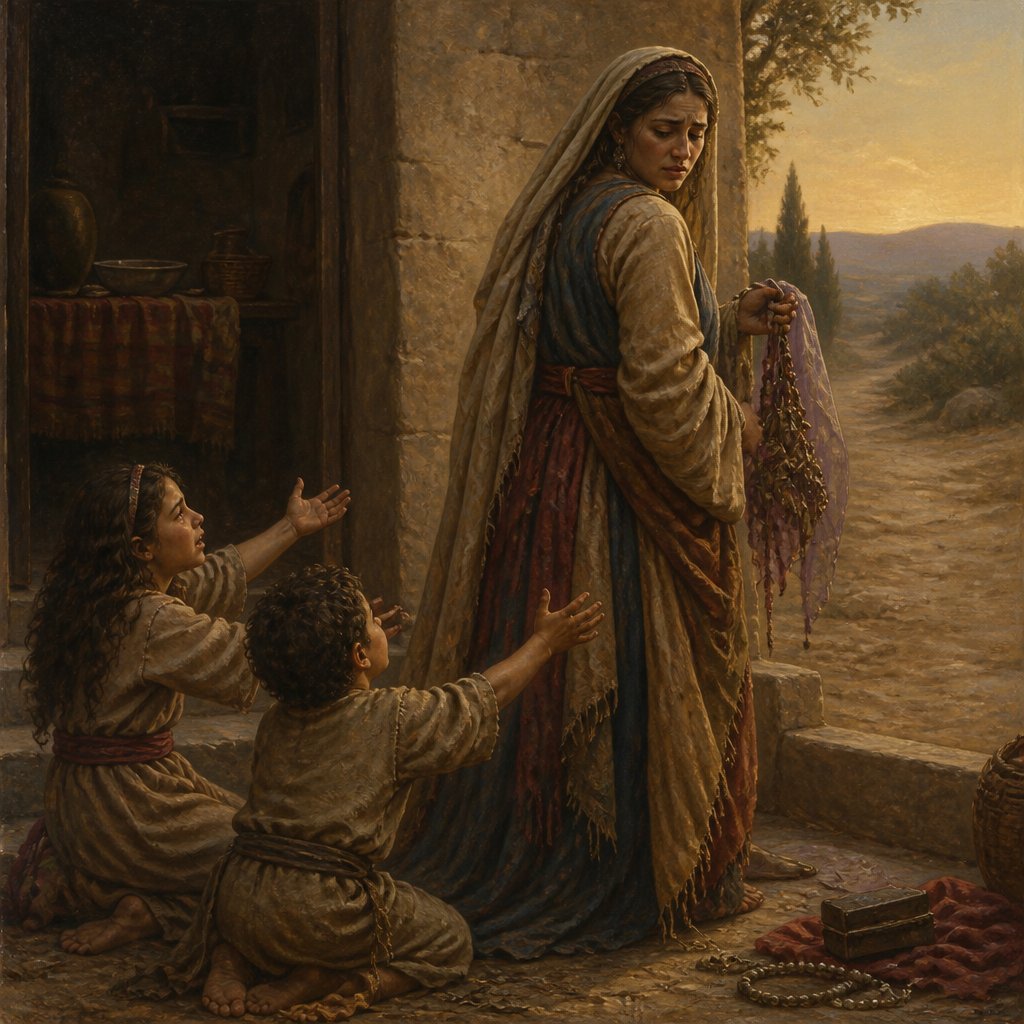
Hosea 2:2 (KJV) reads: "Plead with your mother, plead: for she is not my wife, neither am I her husband: let her therefore put away her whoredoms out of her sight, and her adulteries from between her breasts."
The book of Hosea is one of the twelve Minor Prophets and is set within the historical context of the divided kingdom of Israel. Hosea, the prophet, is called to marry a woman named Gomer, who is unfaithful to him. Their tumultuous relationship serves as an allegory for the unfaithfulness of Israel to God. The verse in focus, Hosea 2:2, is a direct appeal to the children of Israel to confront their mother (metaphorically representing the nation) and call her to repentance.
The imagery used in this verse is strong and vivid, as it depicts a marriage that has been tarnished by infidelity. The prophet Hosea's marriage to Gomer parallels the covenant relationship between God and the people of Israel. Through his personal experience, Hosea seeks to convey the depth of God's love for His people, despite their unfaithfulness.
The verse begins with the plea to "plead with your mother." This call to action is a plea to the Israelites to intercede on behalf of their nation, to confront the waywardness and unfaithfulness of their mother. The use of the term "mother" serves to emphasize the maternal role of Israel as the chosen people of God. The metaphorical language invites the reader to empathize with the personal nature of the relationship between God and the nation of Israel.
The next part of the verse reiterates the broken marriage covenant, emphasizing the illicit behavior of the wife, who symbolizes Israel's unfaithfulness. The phrase "she is not my wife, neither am I her husband" starkly portrays the estrangement and rupture in the relationship between God and Israel. The use of the terms "whoredoms" and "adulteries" further underscores the severity of Israel's sin and the depth of their betrayal.
The symbolism in this verse is multi-layered. It paints a picture of the broken covenant between God and His people, illustrating the spiritual unfaithfulness and idolatry of Israel. The imagery of marital infidelity serves as a poignant metaphor for the unfaithfulness and disobedience of Israel towards God. The appeal to "put away her whoredoms out of her sight, and her adulteries from between her breasts" conveys the urgency and necessity of repentance and reconciliation.
The broader theme of the book of Hosea revolves around the concepts of love, mercy, and faithfulness. Despite the unfaithfulness of Israel, God's love and compassion continue to shine through. The book of Hosea ultimately demonstrates the redeeming and reconciling nature of God's love, as well as the call to repentance and restoration.
In conclusion, Hosea 2:2 conveys a powerful message of repentance and reconciliation. It serves as a poignant reminder of the consequences of unfaithfulness and the enduring love and mercy of God. The verse's imagery and symbolism invite the reader to reflect on the nature of their own relationship with God and the importance of remaining faithful to His covenant. Through the prophet Hosea's personal experiences, the reader is prompted to contemplate the depths of God's love and the call to turn away from sin and return to Him.
Get our apps


Artwork for Hosea 2:2
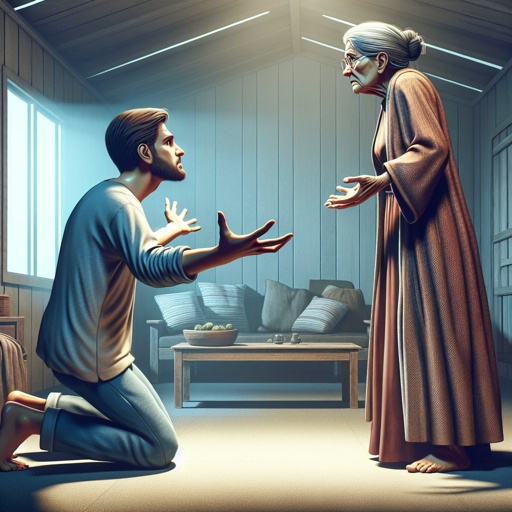
Hosea 2:2 - "Plead with your mother, plead: for she is not my wife, neither am I her husband: let her therefore put away her whoredoms out of her sight, and her adulteries from between her breasts;"
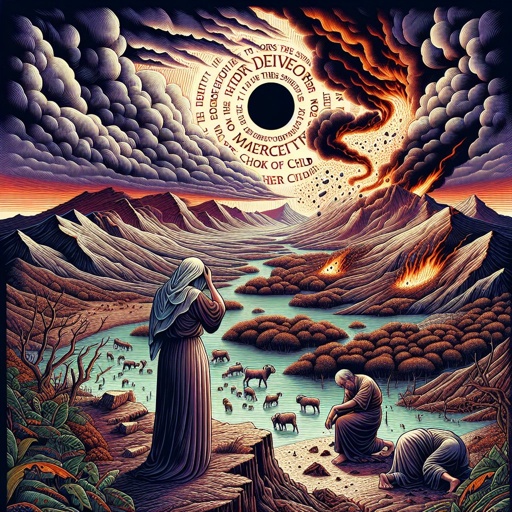
Hosea 2:2-4 - "Plead with your mother, plead: for she is not my wife, neither am I her husband: let her therefore put away her whoredoms out of her sight, and her adulteries from between her breasts; Lest I strip her naked, and set her as in the day that she was born, and make her as a wilderness, and set her like a dry land, and slay her with thirst. And I will not have mercy upon her children; for they be the children of whoredoms."
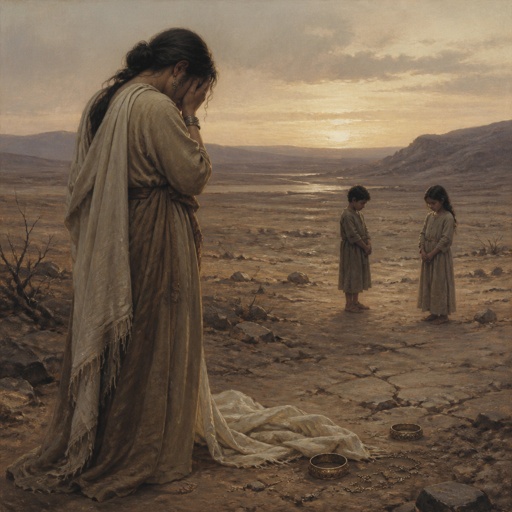
"Plead with your mother, plead: for she is not my wife, neither am I her husband: let her therefore put away her whoredoms out of her sight, and her adulteries from between her breasts; Lest I strip her naked, and set her as in the day that she was born, and make her as a wilderness, and set her like a dry land, and slay her with thirst. And I will not have mercy upon her children; for they be the children of whoredoms." - Hosea 2:2-4
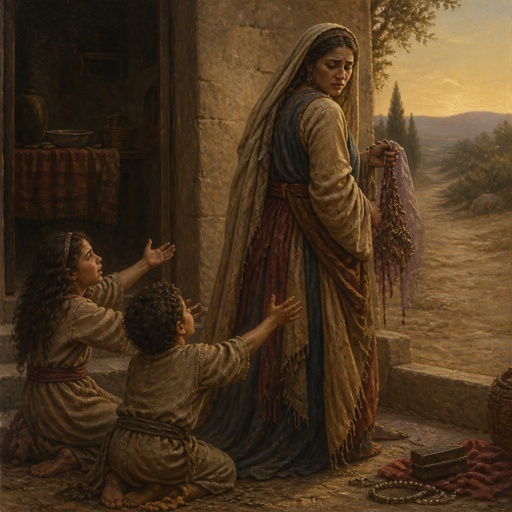
"Plead with your mother, plead: for she is not my wife, neither am I her husband: let her therefore put away her whoredoms out of her sight, and her adulteries from between her breasts;" - Hosea 2:2

Hosea 1:2

Hosea 1:2
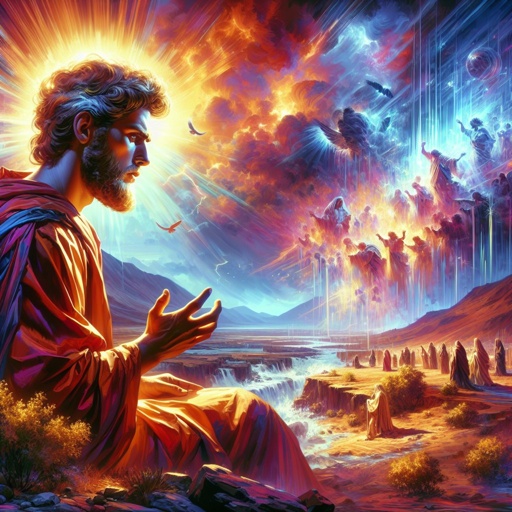
Hosea 1:2 - "The beginning of the word of the LORD by Hosea. And the LORD said to Hosea, Go, take unto thee a wife of whoredoms and children of whoredoms: for the land hath committed great whoredom, departing from the LORD."

Hosea 1:2-11;2:14;3:5

Hosea 2:4 - "And I will not have mercy upon her children; for they be the children of whoredoms."

Hosea 2:1 - "Say ye unto your brethren, Ammi; and to your sisters, Ruhamah."

Hosea 2:22 - "And the earth shall hear the corn, and the wine, and the oil; and they shall hear Jezreel."

Hosea 9:2 - "The floor and the winepress shall not feed them, and the new wine shall fail in her."

Hosea 8:2 - "Israel shall cry unto me, My God, we know thee."

Hosea 5:2 - "And the revolters are profound to make slaughter, though I have been a rebuker of them all."

Hosea 4:2 - "By swearing, and lying, and killing, and stealing, and committing adultery, they break out, and blood toucheth blood."

Hosea 2:20 - "I will even betroth thee unto me in faithfulness: and thou shalt know the LORD."

Hosea 2:14 - "¶ Therefore, behold, I will allure her, and bring her into the wilderness, and speak comfortably unto her."

Hosea 2:17 - "For I will take away the names of Baalim out of her mouth, and they shall no more be remembered by their name."

Hosea 3:2 - "So I bought her to me for fifteen pieces of silver, and for an homer of barley, and an half homer of barley:"

Hosea 11:2 - "As they called them, so they went from them: they sacrificed unto Baalim, and burned incense to graven images."

Hosea 2:21 - "And it shall come to pass in that day, I will hear, saith the LORD, I will hear the heavens, and they shall hear the earth;"

Hosea 2:14-15 – "Therefore I am now going to allure her; I will lead her into the wilderness and speak tenderly to her."

Hosea 2:14-15 – "Therefore I am now going to allure her; I will lead her into the wilderness and speak tenderly to her."

Hosea 2:16 - "And it shall be at that day, saith the LORD, that thou shalt call me Ishi; and shalt call me no more Baali."

Hosea 2:6 - "¶ Therefore, behold, I will hedge up thy way with thorns, and make a wall, that she shall not find her paths."

Hosea 2:10 - "And now will I discover her lewdness in the sight of her lovers, and none shall deliver her out of mine hand."

Hosea 10:2 - "Their heart is divided; now shall they be found faulty: he shall break down their altars, he shall spoil their images."

Hosea 12:2 - "The LORD hath also a controversy with Judah, and will punish Jacob according to his ways; according to his doings will he recompense him."

Hosea 2:19 - "And I will betroth thee unto me for ever; yea, I will betroth thee unto me in righteousness, and in judgment, and in lovingkindness, and in mercies."

Hosea 2:8 - "For she did not know that I gave her corn, and wine, and oil, and multiplied her silver and gold, which they prepared for Baal."