What does Hosea 6:9 mean?
“And as troops of robbers wait for a man, so the company of priests murder in the way by consent: for they commit lewdness.” — Hosea 6:9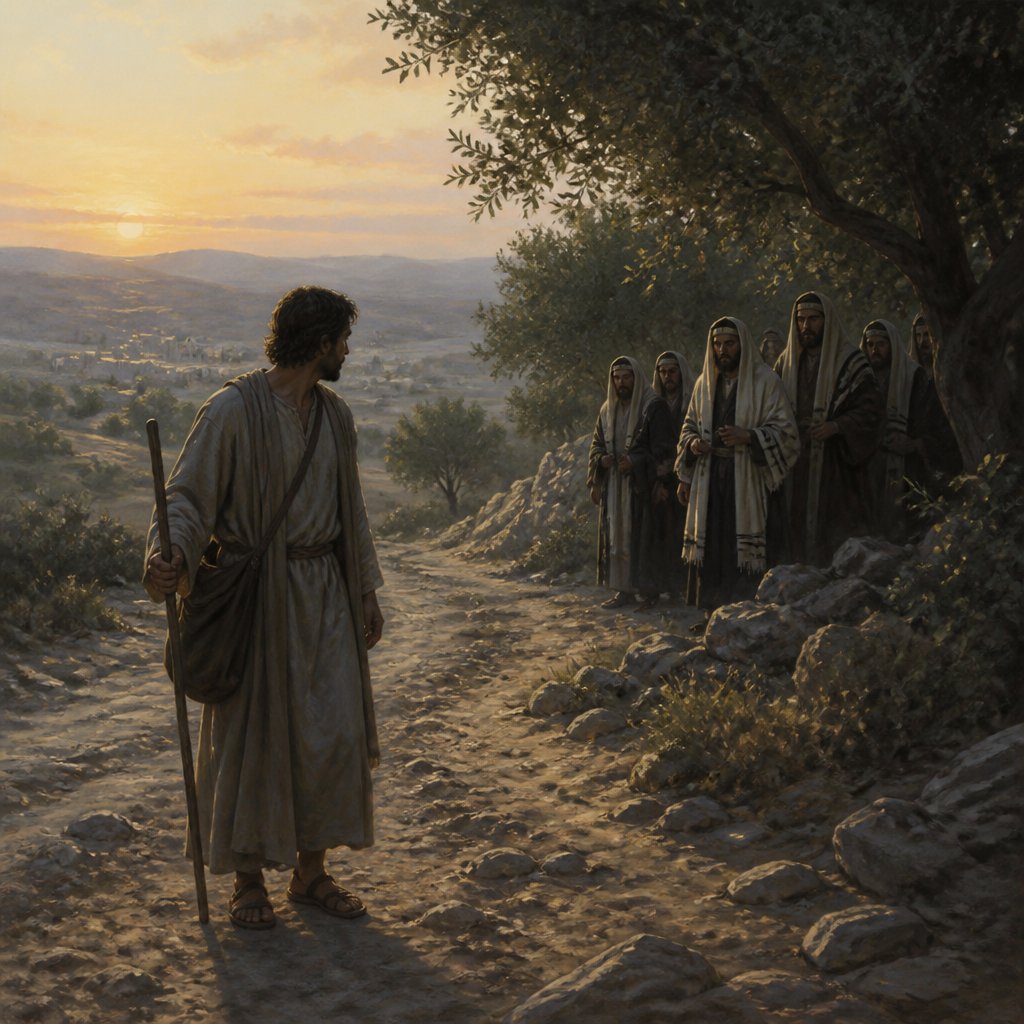
Hosea 6:9 in the King James Version of the Bible reads, "And as troops of robbers wait for a man, so the company of priests murder in the way by consent: for they commit lewdness." This verse is part of the book of Hosea, which is one of the Minor Prophets in the Old Testament. The book of Hosea contains the prophecies of the prophet Hosea, who was called by God to warn the people of Israel about their unfaithfulness and idolatry.
In this specific verse, Hosea is condemning the priests of Israel for their corrupt and immoral behavior. The comparison of the priests to "troops of robbers" waiting for a man is a powerful and damning metaphor for their actions. The priests, who were supposed to be the spiritual leaders and guides for the people, are portrayed as eagerly waiting to take advantage of unsuspecting individuals, just like a group of bandits lying in wait for a victim. Instead of fulfilling their role as intermediaries between God and the people and leading them in righteousness, the priests are depicted as actively participating in the corruption and violence.
The phrase "murder in the way by consent" points to a collective agreement or collaboration among the priests in committing sin and injustice. It suggests a deliberate, coordinated effort to harm others, which is particularly egregious given the moral authority and responsibility that the priests held. Their participation in such acts not only demonstrates their own moral depravity but also leads others astray and undermines the religious and moral fabric of the community.
Additionally, the verse accuses the priests of committing "lewdness." This refers to behavior that is morally or sexually unchaste and suggests a deeper moral decay within the religious leadership. The use of the word "lewdness" further emphasizes the contrast between the priests' sacred duty and their scandalous behavior.
The message of Hosea 6:9 is a powerful indictment against the spiritual leaders of Israel and a warning about the consequences of moral corruption and unfaithfulness. The verse serves as a reminder that those who are entrusted with leadership and religious authority have a solemn responsibility to act with righteousness, integrity, and compassion. When they fail in this duty, the impact is not only personal but also communal, as it can lead the people astray and contribute to the moral decay of society.
From a broader thematic perspective, Hosea 6:9 is part of the larger narrative of the book of Hosea, which focuses on the themes of unfaithfulness, judgment, and restoration. Throughout the book, Hosea uses his own personal experiences, particularly his troubled marriage, as a metaphor for Israel's unfaithfulness to God. The book emphasizes the consequences of turning away from God and the need for repentance and restoration. Hosea 6:9 serves as a powerful example of the consequences of unfaithfulness and the moral corruption that can result from it.
In terms of historical and cultural context, the book of Hosea was written during a time of political turmoil and moral decay in the kingdom of Israel. The people had turned away from God and were engaging in idolatry and other sinful practices. The religious leaders, instead of confronting and denouncing these behaviors, were themselves participating in them. Hosea's prophecies were a call to repentance and a warning of the impending judgment and destruction that would result from the people's unfaithfulness.
Symbolically, Hosea 6:9 serves as a stark representation of the perversion of divine authority. The priests, who should have been the embodiment of righteousness and spiritual guidance, are instead depicted as actively engaged in sinful and corrupt behavior. This symbolism serves as a warning about the dangers of moral and spiritual complacency and the potential for religious leadership to be compromised by greed, power, and moral compromise.
In conclusion, Hosea 6:9 in the King James Version of the Bible is a powerful and resonant verse that captures the themes of unfaithfulness, moral corruption, and the perversion of divine authority. It serves as a warning about the consequences of straying from righteousness and the need for repentance and restoration. The verse's condemnation of the corrupt priests is an indictment of moral decay and a call to uphold the sacred responsibilities of spiritual leadership. As part of the larger narrative of the book of Hosea, Hosea 6:9 carries profound significance and serves as a timeless reminder of the importance of spiritual integrity and moral accountability.
Get our apps


Artwork for Hosea 6:9

Hosea 6:9 - "And as troops of robbers wait for a man, so the company of priests murder in the way by consent: for they commit lewdness."
"And as troops of robbers wait for a man, so the company of priests murder in the way by consent: for they commit lewdness." - Hosea 6:9

Hosea 9:6 - "For, lo, they are gone because of destruction: Egypt shall gather them up, Memphis shall bury them: the pleasant places for their silver, nettles shall possess them: thorns shall be in their tabernacles."

Hosea 6:6 - "For I desired mercy, and not sacrifice; and the knowledge of God more than burnt offerings."

Hosea 9:9 - "They have deeply corrupted themselves, as in the days of Gibeah: therefore he will remember their iniquity, he will visit their sins."

Hosea 6:8 - "Gilead is a city of them that work iniquity, and is polluted with blood."

Hosea 14:5-6 – "I will be like the dew to Israel; he will blossom like a lily."

Hosea 13:9 - "¶ O Israel, thou hast destroyed thyself; but in me is thine help."

Hosea 9:5 - "What will ye do in the solemn day, and in the day of the feast of the LORD?"

Hosea 6:7 - "But they like men have transgressed the covenant: there have they dealt treacherously against me."

Hosea 9:2 - "The floor and the winepress shall not feed them, and the new wine shall fail in her."

Hosea 8:9 - "For they are gone up to Assyria, a wild ass alone by himself: Ephraim hath hired lovers."

Hosea 1:9 - "Then said God, Call his name Lo-ammi: for ye are not my people, and I will not be your God."

Hosea 9:3 - "They shall not dwell in the LORD'S land; but Ephraim shall return to Egypt, and they shall eat unclean things in Assyria."

Hosea 9:11 - "As for Ephraim, their glory shall fly away like a bird, from the birth, and from the womb, and from the conception."

Hosea 8:6 - "For from Israel was it also: the workman made it; therefore it is not God: but the calf of Samaria shall be broken in pieces."

Hosea 4:9 - "And there shall be, like people, like priest: and I will punish them for their ways, and reward them their doings."

Hosea 9:13 - "Ephraim, as I saw Tyrus, is planted in a pleasant place: but Ephraim shall bring forth his children to the murderer."

Hosea 9:17 - "My God will cast them away, because they did not hearken unto him: and they shall be wanderers among the nations."

Hosea 9:8 - "The watchman of Ephraim was with my God: but the prophet is a snare of a fowler in all his ways, and hatred in the house of his God."

Hosea 14:6 - "His branches shall spread, and his beauty shall be as the olive tree, and his smell as Lebanon."

Hosea 12:6 - "Therefore turn thou to thy God: keep mercy and judgment, and wait on thy God continually."

Hosea 13:6 - "According to their pasture, so were they filled; they were filled, and their heart was exalted; therefore have they forgotten me."

Hosea 5:9 - "Ephraim shall be desolate in the day of rebuke: among the tribes of Israel have I made known that which shall surely be."
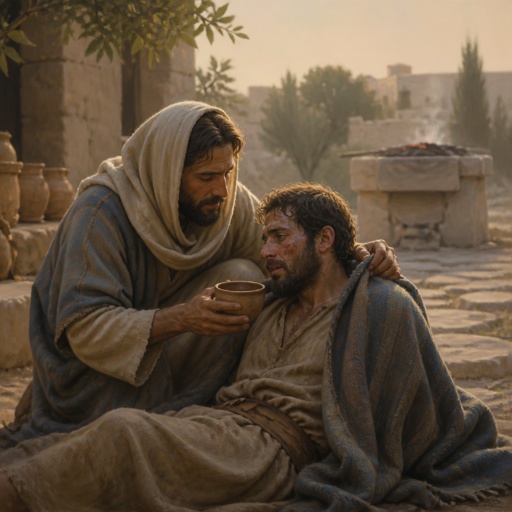
"For I desired mercy, and not sacrifice; and the knowledge of God more than burnt offerings." - Hosea 6:6
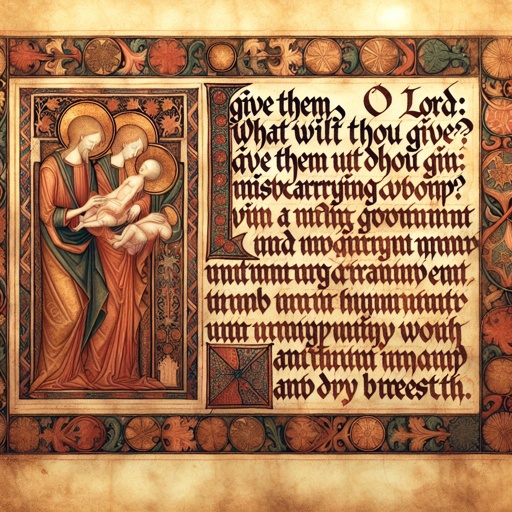
Hosea 9:14 - "Give them, O LORD: what wilt thou give? give them a miscarrying womb and dry breasts."

Hosea 7:9 - "Strangers have devoured his strength, and he knoweth it not: yea, gray hairs are here and there upon him, yet he knoweth not."

Hosea 12:9 - "And I that am the LORD thy God from the land of Egypt will yet make thee to dwell in tabernacles, as in the days of the solemn feast."

Hosea 5:6 - "They shall go with their flocks and with their herds to seek the LORD; but they shall not find him; he hath withdrawn himself from them."

Hosea 2:6 - "¶ Therefore, behold, I will hedge up thy way with thorns, and make a wall, that she shall not find her paths."