What does Isaiah 13:9 mean?
“Behold, the day of the LORD cometh, cruel both with wrath and fierce anger, to lay the land desolate: and he shall destroy the sinners thereof out of it.” — Isaiah 13:9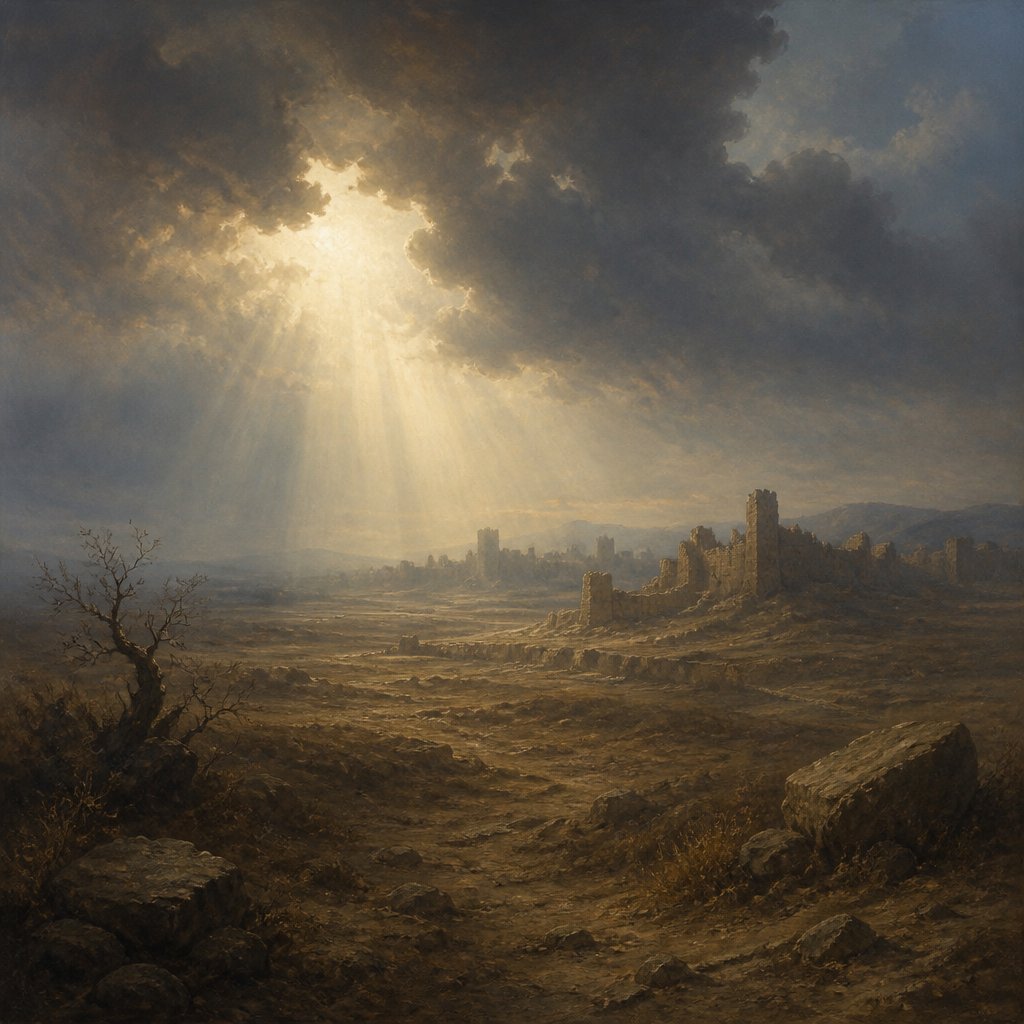
The verse Isaiah 13:9 from the King James Version of the Bible introduces a powerful declaration from God, stating, "Behold, the day of the Lord cometh, cruel both with wrath and fierce anger, to lay the land desolate: and he shall destroy the sinners thereof out of it." This verse speaks of the impending judgment and wrath of God, which will result in the destruction of sinners and laying the land desolate.
The book of Isaiah is a prophetic book, attributed to the prophet Isaiah who ministered to the southern kingdom of Judah. The overall theme of the book of Isaiah is the impending judgment of God upon His people because of their disobedience and sin, as well as the promise of future restoration and redemption. The verse Isaiah 13:9 falls within a larger passage in which Isaiah prophesies against the Babylonian empire, announcing the impending judgment and destruction that will come upon them.
The theme of judgment and the day of the Lord is a prominent one in the Bible, often associated with the righteous judgment of God upon sin and wickedness. The "day of the Lord" refers to a time when God will intervene in the affairs of humanity to execute judgment and justice. It is a recurring theme in both the Old and New Testaments, emphasizing the sovereignty and righteousness of God.
In Isaiah 13:9, the language used to describe the day of the Lord is striking and emphatic. The verse speaks of the day as being "cruel both with wrath and fierce anger," highlighting the severity and intensity of God's judgment. The word "cruel" conveys the harsh and uncompromising nature of the judgment, while "wrath" and "fierce anger" emphasize the righteous indignation of God against sin. This imagery serves to underscore the seriousness of God's judgment and the consequences of disobedience.
Furthermore, the verse speaks of the land being laid desolate and the sinners being destroyed out of it. This imagery conveys the thoroughness and completeness of God's judgment. The land, which is often symbolic of the people who inhabit it, will be left barren and desolate as a result of God's judgment. The destruction of sinners emphasizes the accountability of individuals for their actions and the ultimate consequence of living in rebellion against God.
The language and imagery used in Isaiah 13:9 serve as a powerful reminder of the holiness and righteousness of God. The verse communicates the seriousness of sin and the inevitable judgment that follows. However, it is important to note that the message of judgment in the Bible is always accompanied by the offer of grace and redemption. Throughout the book of Isaiah, there are also messages of hope and restoration, emphasizing God's desire to forgive and restore His people.
In the broader context of the Bible, the theme of judgment and the day of the Lord is ultimately fulfilled in the person of Jesus Christ. The New Testament teaches that Jesus will return one day to execute judgment and establish His kingdom. In this sense, the day of the Lord is not only a warning of impending judgment but also a call to repentance and faith in Christ.
In conclusion, Isaiah 13:9 from the King James Version of the Bible conveys a powerful message about the impending judgment of God and the consequences of sin. The verse uses vivid and emphatic language to emphasize the severity and thoroughness of God's judgment. It serves as a sobering reminder of the holiness and righteousness of God, as well as a call to repentance and faith. Ultimately, the verse points to the hope of redemption and restoration through Jesus Christ, who offers forgiveness and salvation to all who believe.
Get our apps


Artwork for Isaiah 13:9

Isaiah 13:9 - "Behold, the day of the LORD cometh, cruel both with wrath and fierce anger, to lay the land desolate: and he shall destroy the sinners thereof out of it."
"Behold, the day of the LORD cometh, cruel both with wrath and fierce anger, to lay the land desolate: and he shall destroy the sinners thereof out of it." - Isaiah 13:9

Isaiah 9:13 - "¶ For the people turneth not unto him that smiteth them, neither do they seek the LORD of hosts."
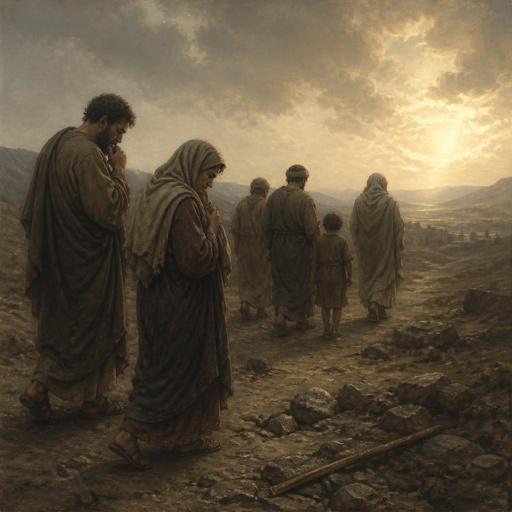
"¶ For the people turneth not unto him that smiteth them, neither do they seek the LORD of hosts." - Isaiah 9:13

Isaiah 13:1 - "The burden of Babylon, which Isaiah the son of Amoz did see."

Isaiah 41:13

isaiah 6:13

Isaiah 9:6

Isaiah 9:6

Isaiah 9:6

Isaiah 9:6

Isaiah 50:7–9

Isaiah 11:1-9

Isaiah 11:1-9

Isaiah 9:1-4

Isaiah 11:1-9

Isaiah 9:9 - "And all the people shall know, even Ephraim and the inhabitant of Samaria, that say in the pride and stoutness of heart,"

"The burden of Babylon, which Isaiah the son of Amoz did see." - Isaiah 13:1

Rev 9:13

Genesis 9:13

Isaiah 10:9 - "Is not Calno as Carchemish? is not Hamath as Arpad? is not Samaria as Damascus?"

Isaiah 3:13 - "The LORD standeth up to plead, and standeth to judge the people."

Isaiah 13:13 - "Therefore I will shake the heavens, and the earth shall remove out of her place, in the wrath of the LORD of hosts, and in the day of his fierce anger."

Isaiah 63:13 - "That led them through the deep, as an horse in the wilderness, that they should not stumble?"

Isaiah 16:13 - "This is the word that the LORD hath spoken concerning Moab since that time."

Isaiah 30:9 - "That this is a rebellious people, lying children, children that will not hear the law of the LORD:"

Isaiah 9:16 - "For the leaders of this people cause them to err; and they that are led of them are destroyed."

Isaiah 19:9 - "Moreover they that work in fine flax, and they that weave networks, shall be confounded."

Isaiah 9:8 - "¶ The Lord sent a word into Jacob, and it hath lighted upon Israel."

Luke 13:6-9