What does Isaiah 14:13-14 mean?
“For thou hast said in thine heart, I will ascend into heaven, I will exalt my throne above the stars of God: I will sit also upon the mount of the congregation, in the sides of the north: I will ascend above the heights of the clouds; I will be like the most High.” — Isaiah 14:13-14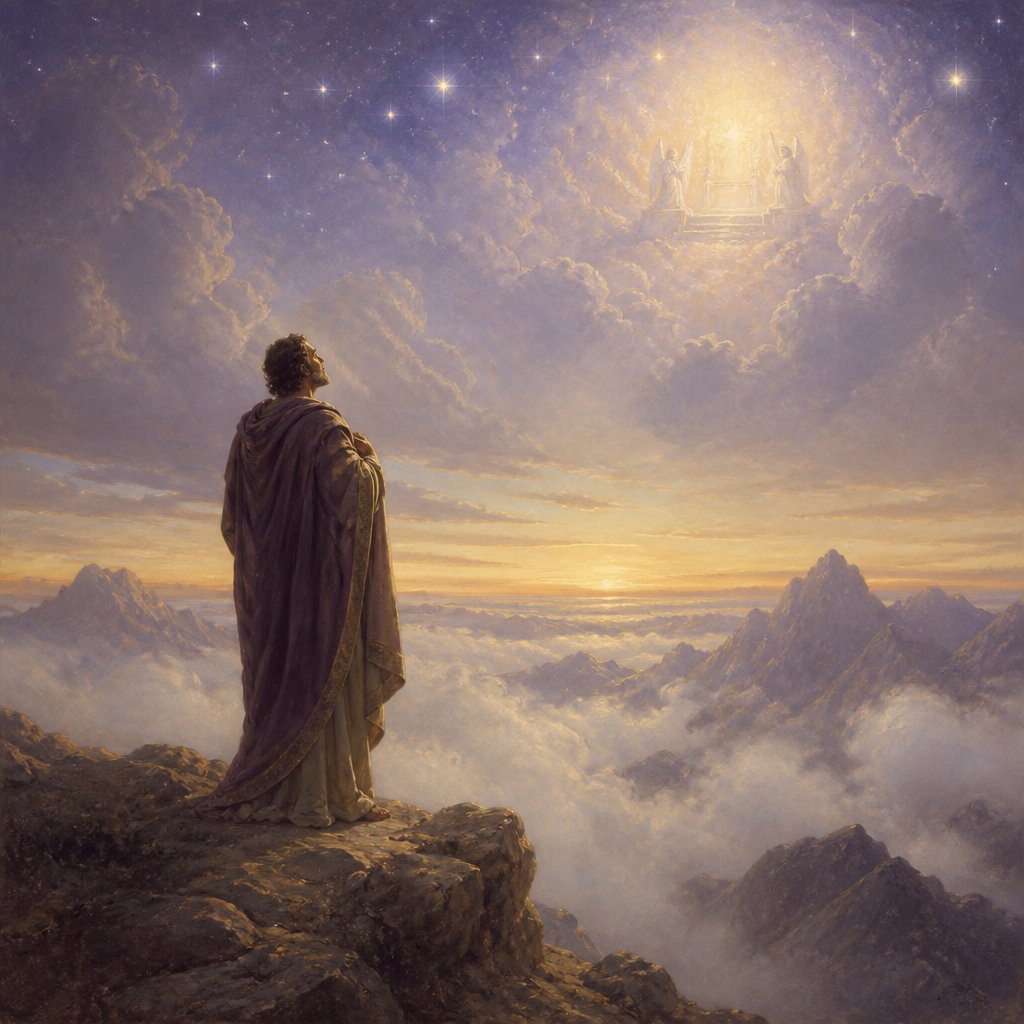
Isaiah 14:13-14 in the King James Version of the Bible reads:
"For thou hast said in thine heart, I will ascend into heaven, I will exalt my throne above the stars of God: I will sit also upon the mount of the congregation, in the sides of the north: I will ascend above the heights of the clouds; I will be like the most High."
These verses are part of a larger passage that describes the fall of the king of Babylon. In this passage, the king is portrayed as a prideful ruler who seeks to elevate himself above all others, even to the point of challenging the throne of God. The imagery used in these verses is rich with symbolism and provides insight into the theme of pride and its consequences.
The context of Isaiah 14 is important in understanding the meaning of these verses. The prophet Isaiah is delivering a message of judgment against the king of Babylon, who is seen as a symbol of human pride and arrogance. The king's desire to ascend into heaven and exalt his throne above the stars of God is a metaphor for his pride and ambition to place himself above all others, including God himself.
The imagery of ascending into heaven and exalting his throne above the stars of God speaks to the king's desire for ultimate power and authority. In ancient Near Eastern cultures, the heavens were often seen as the dwelling place of the gods and the stars as symbols of divine power. By seeking to ascend into heaven and exalt his throne above the stars, the king is attempting to usurp the authority of the divine and assert his own sovereignty over the cosmos.
The mention of sitting upon the mount of the congregation in the sides of the north is a reference to the divine assembly, a concept found in ancient Near Eastern religious texts. The mount of the congregation was believed to be the meeting place of the gods, and by positioning himself there, the king is expressing his desire to be accepted among the gods and be recognized as their equal.
The king's aspiration to ascend above the heights of the clouds and be like the most High is the culmination of his prideful ambitions. This statement reflects his desire to attain a level of greatness and power that is reserved only for God. By comparing himself to the most High, the king is expressing his desire to be regarded as equal to the divine and to receive the worship and adoration that is due only to God.
The overarching theme of these verses is the danger of pride and the consequences of seeking to elevate oneself above God. The king's prideful ambition leads to his downfall, as he is ultimately brought low by divine judgment. The passage serves as a cautionary tale about the perils of human pride and the futility of attempting to challenge the authority of God.
In Christian interpretation, these verses are often seen as a foreshadowing of the fall of Lucifer, who is often associated with the king of Babylon in this passage. The imagery and language used in these verses are reminiscent of the story of Lucifer's rebellion against God as described in the book of Isaiah and other prophetic texts.
Overall, Isaiah 14:13-14 is a powerful portrayal of the destructive nature of pride and the consequences of seeking to exalt oneself above God. The imagery and symbolism used in these verses convey a profound message about the dangers of human ambition and the ultimate sovereignty of God. Through this passage, readers are reminded of the importance of humility and the folly of challenging the authority of the divine.
Get our apps


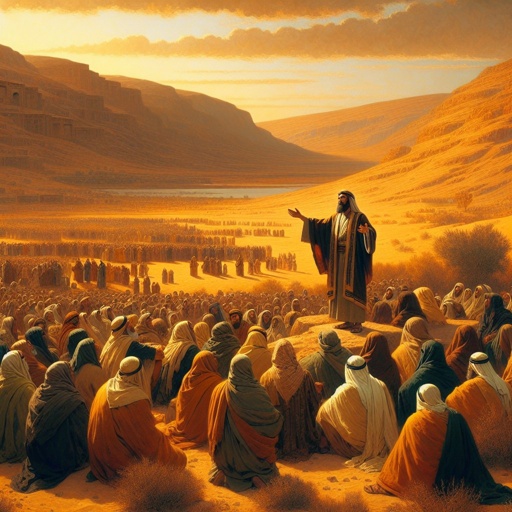
Artwork for Isaiah 14:13-14

Isaiah 14:13-14 - "You said in your heart, 'I will ascend to the heavens; I will raise my throne above the stars of God; I will sit enthroned on the mount of assembly, on the utmost heights of Mount Zaphon. I will ascend above the tops of the clouds; I will make myself like the Most High.'"
"You said in your heart, 'I will ascend to the heavens; I will raise my throne above the stars of God; I will sit enthroned on the mount of assembly, on the utmost heights of Mount Zaphon. I will ascend above the tops of the clouds; I will make myself like the Most High.'" - Isaiah 14:13-14

Isaiah 14:14 - "I will ascend above the heights of the clouds; I will be like the most High."
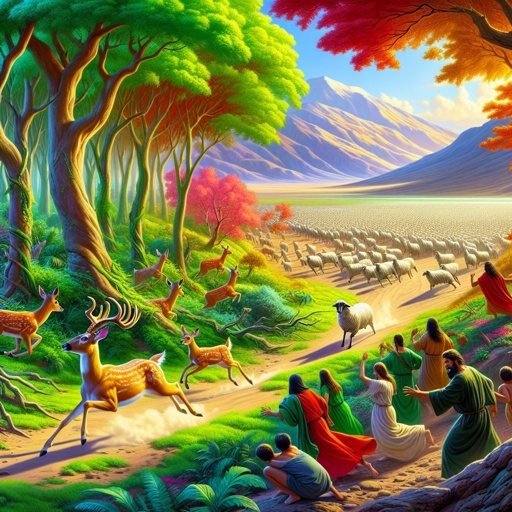
Isaiah 13:14 - "And it shall be as the chased roe, and as a sheep that no man taketh up: they shall every man turn to his own people, and flee every one into his own land."

Isaiah 14:12

isaiah 5:14

Isaiah 14:25

Isaiah 14:13 - "For thou hast said in thine heart, I will ascend into heaven, I will exalt my throne above the stars of God: I will sit also upon the mount of the congregation, in the sides of the north:"

Matthew 7:13-14

Matthew 7:13-14

Matthew 7:13-14

Matthew 7:13-14

Matthew 7:13-14

Matthew 7:13-14

Matthew 7:13-14

Matthew 7:13-14

Matthew 7:13-14

Matthew 7:13-14

Matthew 7:13-14

John 14:13-14 (KJV) 13 And whatsoever ye shall ask in my name, that will I do, that the Father may be glorified in the Son. 14 If ye shall ask any thing in my name, I will do it.
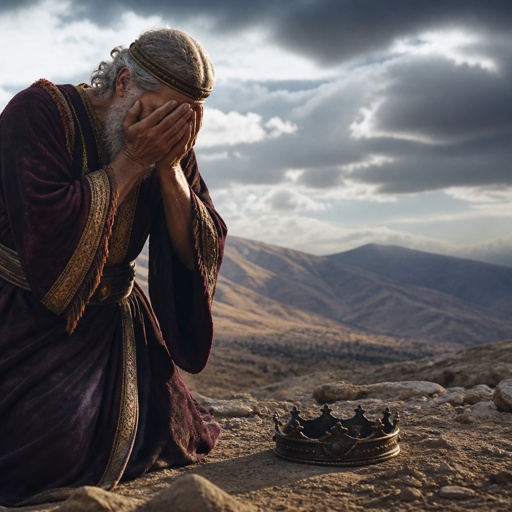
1 Samuel 13:13-14

John 14:13-14 (KJV) 13 And whatsoever ye shall ask in my name, that will I do, that the Father may be glorified in the Son. 14 If ye shall ask any thing in my name, I will do it.

Exodus 14:13

Exodus 14:13

Exodus 14:13

Exodus 14:13

Exodus 14:13

Exodus 14:13

Exodus 14:13
Exodus 14:13