What does Isaiah 14:17 mean?
“That made the world as a wilderness, and destroyed the cities thereof; that opened not the house of his prisoners?” — Isaiah 14:17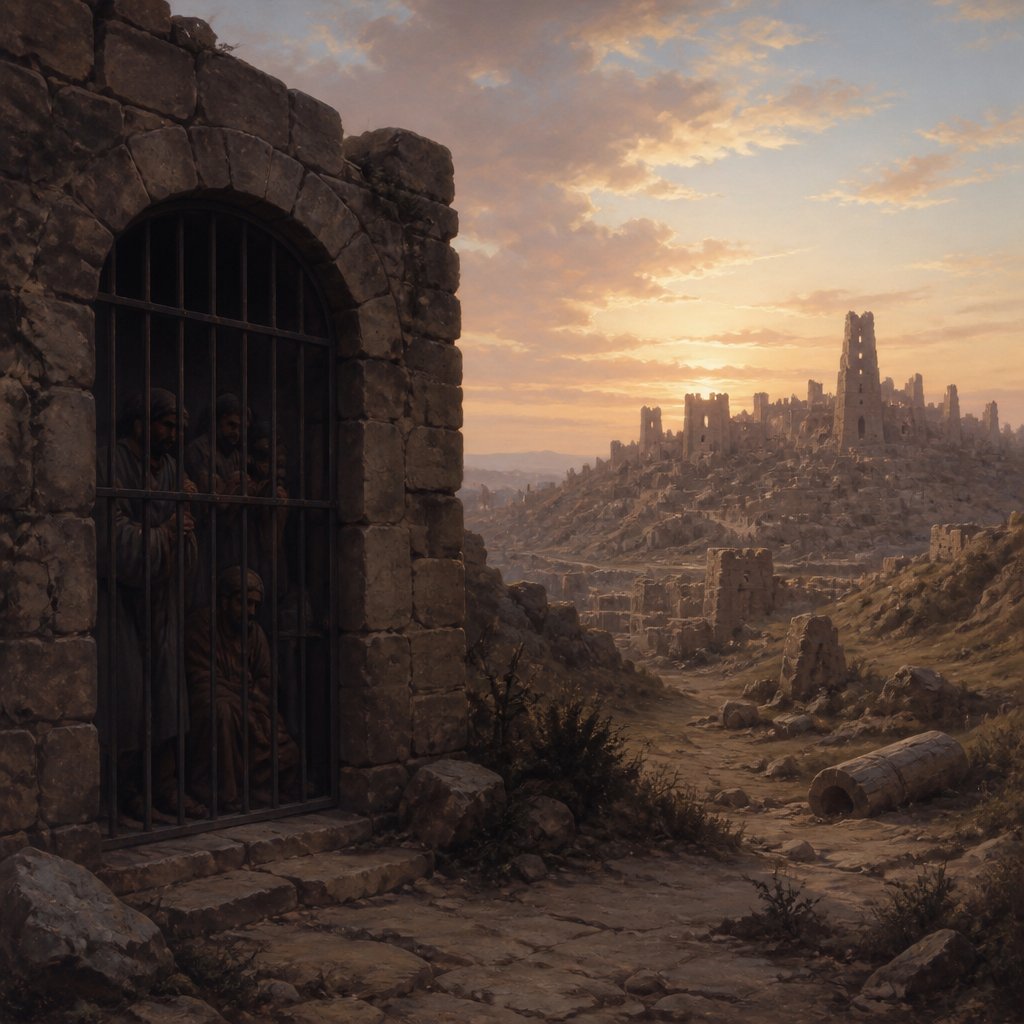
Isaiah 14:17 (KJV) – “That made the world as a wilderness, and destroyed the cities thereof; that opened not the house of his prisoners?”
The book of Isaiah is one of the major prophets in the Old Testament of the Bible. It is a book filled with prophecies, warnings, and promises from God to the nation of Israel. The verses leading up to Isaiah 14:17 depict a taunt against the king of Babylon, who is being brought down from his lofty position of power and authority. This verse is part of a larger passage in which the prophet Isaiah is proclaiming judgment against the King of Babylon for his pride, arrogance, and oppression of the people.
The imagery in Isaiah 14:17 is vivid and powerful. It describes the king of Babylon as one who made the world a wilderness and destroyed cities without mercy. This is a metaphorical description of the king’s oppressive and destructive rule. He is portrayed as a tyrant who brought desolation and devastation wherever he went. The phrase “opened not the house of his prisoners” further emphasizes the king’s cruelty and lack of compassion. He did not release those he had imprisoned, showing his complete disregard for the well-being of others.
The verse speaks to the themes of power, pride, oppression, and ultimately, justice. It serves as a warning against the sins of arrogance and mistreatment of others. The king of Babylon’s downfall is attributed to his haughty attitude and his failure to acknowledge the sovereignty of God. This is a recurring theme throughout the book of Isaiah – the consequences of pride and disobedience, and the promise of restoration through repentance and humility.
The context of Isaiah 14:17 is important in understanding its deeper meaning. The prophet Isaiah is addressing the nation of Israel, offering them hope and encouragement in the midst of their suffering. The downfall of the king of Babylon is presented as a symbol of God’s ultimate victory over evil and injustice. It is a reminder that even the most powerful rulers are subject to God’s authority and will be held accountable for their actions.
The symbolism in this verse is rich and layered. The king of Babylon represents not only a specific historical figure, but also the broader concept of oppressive and tyrannical rulers throughout history. The imagery of making the world a wilderness and destroying cities speaks to the devastating impact of unjust and corrupt leadership. The “house of his prisoners” symbolizes the captivity and suffering of those who have been oppressed and marginalized.
Ultimately, Isaiah 14:17 points to the larger narrative of God’s justice and redemption. It serves as a reassurance to the people of Israel that God sees their suffering and will bring about a day of reckoning for their oppressors. It also carries a universal message about the consequences of pride and the importance of compassion and mercy towards others.
In conclusion, Isaiah 14:17 is a powerful and evocative verse that captures the essence of the prophetic message of Isaiah. It serves as a warning against the dangers of pride and oppression, and a reminder of God’s ultimate authority and justice. Its themes of power, pride, and justice resonate throughout history and continue to be relevant in modern times. As readers of the Bible, we are called to reflect on the implications of this verse in our own lives and to seek humility and compassion in our interactions with others.
Get our apps


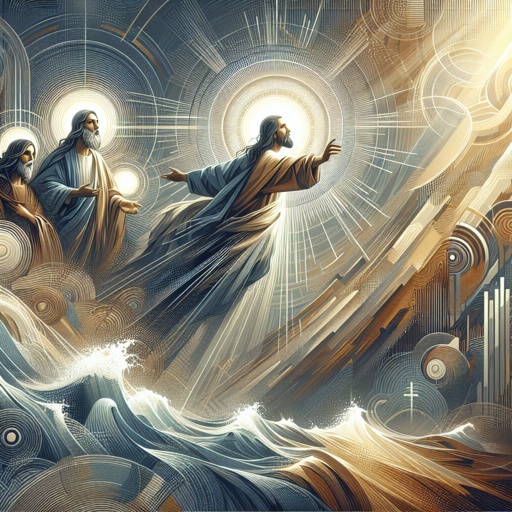
Artwork for Isaiah 14:17

Isaiah 14:17 - "That made the world as a wilderness, and destroyed the cities thereof; that opened not the house of his prisoners?"
"That made the world as a wilderness, and destroyed the cities thereof; that opened not the house of his prisoners?" - Isaiah 14:17
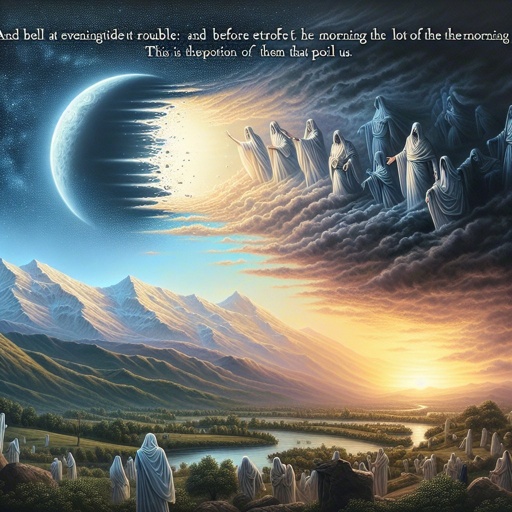
Isaiah 17:14 - "And behold at eveningtide trouble; and before the morning he is not. This is the portion of them that spoil us, and the lot of them that rob us."
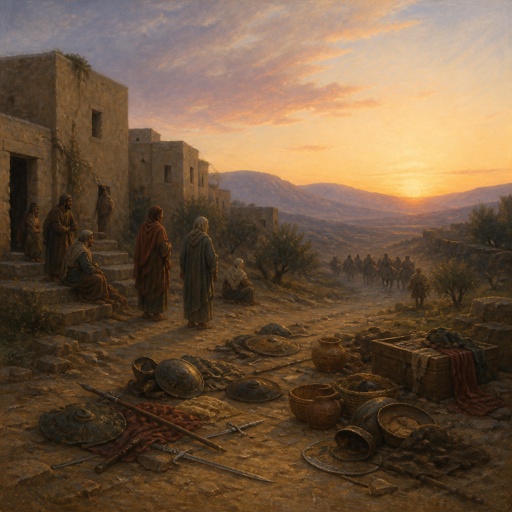
"And behold at eveningtide trouble; and before the morning he is not. This is the portion of them that spoil us, and the lot of them that rob us." - Isaiah 17:14

Isaiah 54:17

Isaiah 54:17

Isaiah 38:17

Isaiah 14:12

isaiah 5:14

Isaiah 14:25

Isaiah 14:14 - "I will ascend above the heights of the clouds; I will be like the most High."

Revelation 17:14

Revelation 17:14

Acts 14:17

Revelation 17:14

Genesis 17-14

Revelation 17:14

Revelation 17:14

Matthew 17:14-21
John 14:16-17

Isaiah 14:28 - "In the year that king Ahaz died was this burden."

Mark 14:17 - "And in the evening he cometh with the twelve."

Matthew 17:14-15

Isaiah 24:17 - "Fear, and the pit, and the snare, are upon thee, O inhabitant of the earth."

Deuteronomy 14:17 - "And the pelican, and the gier eagle, and the cormorant,"

Isaiah 32:17 - "And the work of righteousness shall be peace; and the effect of righteousness quietness and assurance for ever."

Isaiah 14:7 - "The whole earth is at rest, and is quiet: they break forth into singing."

Exodus 13:17-14:29

Isaiah 14:5 - "The LORD hath broken the staff of the wicked, and the sceptre of the rulers."

Isaiah 22:17 - "Behold, the LORD will carry thee away with a mighty captivity, and will surely cover thee."