What does Isaiah 14:5 mean?
“The LORD hath broken the staff of the wicked, and the sceptre of the rulers.” — Isaiah 14:5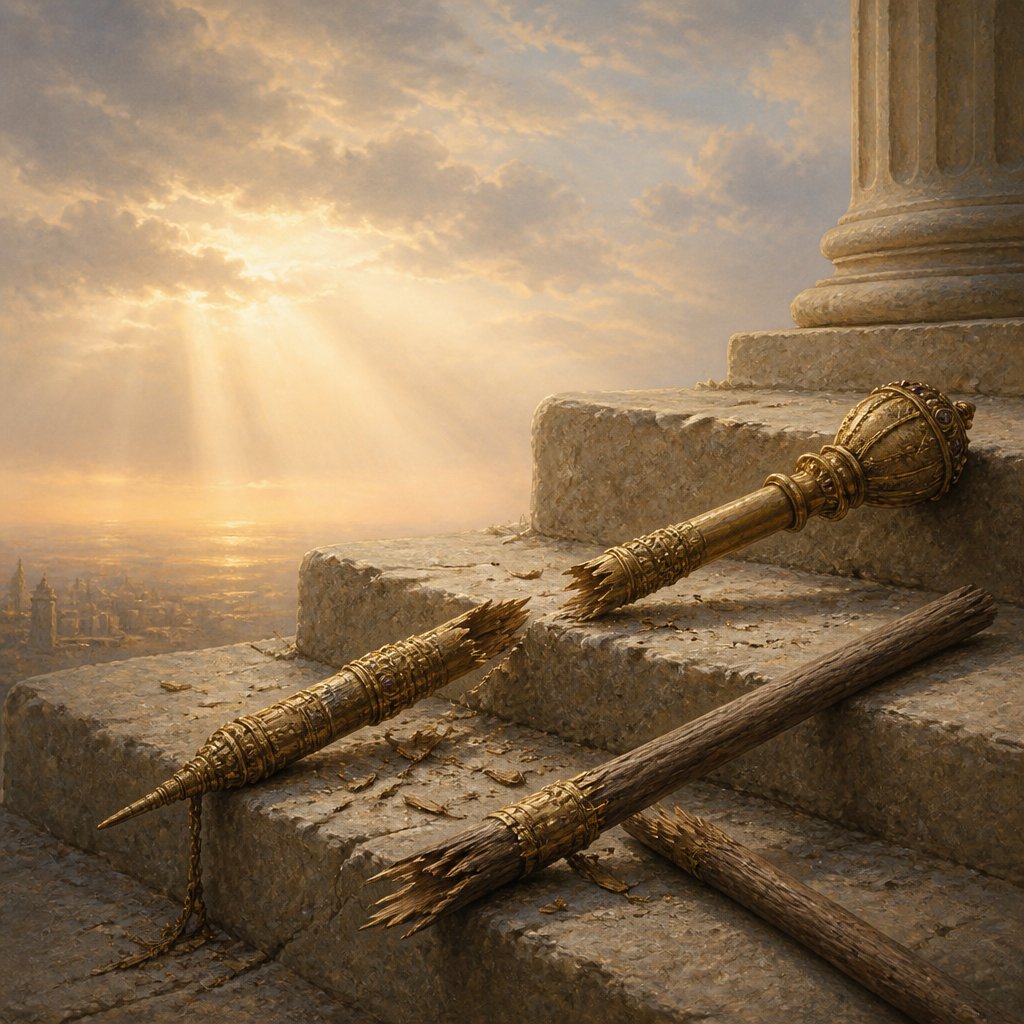
Isaiah 14:5 in the King James Version of the Bible reads, "The Lord hath broken the staff of the wicked, and the sceptre of the rulers." This verse is found in the Book of Isaiah, which is a prophetic book in the Old Testament. It is important to understand the overall context of this verse in order to fully grasp its meaning and significance.
The Book of Isaiah is attributed to the prophet Isaiah, who lived in the 8th century BC in the kingdom of Judah. Isaiah was a powerful and influential figure, and his prophecies were often directed towards the people of Judah and the surrounding nations. The primary focus of Isaiah's prophecies was the judgment of God upon the wicked and the eventual restoration of Israel.
In Isaiah 14, the prophet is speaking about the downfall of the king of Babylon. The verse preceding Isaiah 14:5 describes how the oppressor's yoke will be broken, and the people of Israel will be set free. This sets the stage for the declaration in verse 5 that "The Lord hath broken the staff of the wicked, and the sceptre of the rulers." This verse signifies the ultimate defeat and downfall of those who have oppressed God's people.
The themes present in this verse revolve around God's justice, His power over the nations, and His faithfulness to His people. The staff and the sceptre are symbols of authority and power, and by breaking them, God demonstrates His sovereignty and His ability to bring down the mighty and exalt the oppressed. This is a recurring theme throughout the Bible, where God consistently shows His care and concern for those who are mistreated and oppressed.
In a broader context, this verse also points to the ultimate victory of God's kingdom over the kingdoms of this world. It serves as a reminder that no matter how powerful or oppressive worldly rulers may seem, ultimately God's authority will prevail, and His justice will be established. This message would have been of great comfort and hope to the people of Israel who were living under the rule of the Babylonian empire.
The imagery of the broken staff and sceptre also holds rich symbolism. In breaking these symbols of human authority, God shows that He is the ultimate authority and ruler. It serves as a warning to those who place their trust in human power and a reminder that all earthly kingdoms are subject to the ultimate authority of God.
Ultimately, Isaiah 14:5 is a declaration of God's justice and power. It serves as a source of hope and encouragement for those who are facing oppression and injustice, reminding them that God sees their suffering and will ultimately bring about justice and deliverance. It also serves as a sobering reminder to those who oppress and mistreat others, that their power and authority are ultimately fleeting and subject to the judgment of God.
In conclusion, Isaiah 14:5 is a powerful and poignant verse that speaks to the enduring themes of God's justice, His power over the nations, and His faithfulness to His people. Its placement within the broader context of the Book of Isaiah and the historical context of the Babylonian exile gives it even greater significance. Its imagery and symbolism serve to drive home the enduring message of God's sovereignty and the ultimate triumph of His kingdom. This verse continues to resonate with believers today, serving as a source of hope and encouragement in the face of oppression and injustice, and a reminder of the ultimate authority and justice of God.
Get our apps


Artwork for Isaiah 14:5

Isaiah 14:5 - "The LORD hath broken the staff of the wicked, and the sceptre of the rulers."
"The LORD hath broken the staff of the wicked, and the sceptre of the rulers." - Isaiah 14:5

isaiah 5:14

Isaiah 5:14 - "Therefore hell hath enlarged herself, and opened her mouth without measure: and their glory, and their multitude, and their pomp, and he that rejoiceth, shall descend into it."

Isaiah 37:5 - "So the servants of king Hezekiah came to Isaiah."

Isaiah 14:12

Isaiah 39:5 - "Then said Isaiah to Hezekiah, Hear the word of the LORD of hosts:"

Isaiah 14:25

Isaiah 14:14 - "I will ascend above the heights of the clouds; I will be like the most High."

Isaiah 5:21

Isaiah 53:5

Isaiah 5:21

Isaiah 6:1-5

Isaiah 6:1-5

Isaiah 6:1-5

Isaiah 6:1-5

Isaiah 48:5

Isaiah 48:5

Isaiah 48:5

Isaiah 6:5

Isaiah 6:5

Isaiah 48:5

Isaiah 14:28 - "In the year that king Ahaz died was this burden."

Isaiah 45:5-6

"So the servants of king Hezekiah came to Isaiah." - Isaiah 37:5
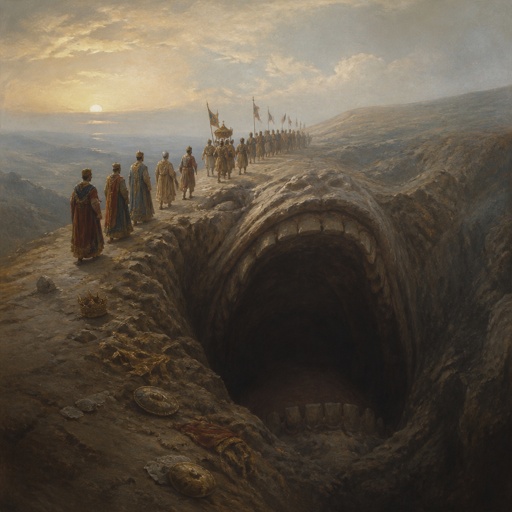
"Therefore hell hath enlarged herself, and opened her mouth without measure: and their glory, and their multitude, and their pomp, and he that rejoiceth, shall descend into it." - Isaiah 5:14

Isaiah 45:5-6

Isaiah 56:3-5

Isaiah 14:7 - "The whole earth is at rest, and is quiet: they break forth into singing."

Isaiah 23:14 - "Howl, ye ships of Tarshish: for your strength is laid waste."