What does Isaiah 16:3 mean?
“Take counsel, execute judgment; make thy shadow as the night in the midst of the noonday; hide the outcasts; bewray not him that wandereth.” — Isaiah 16:3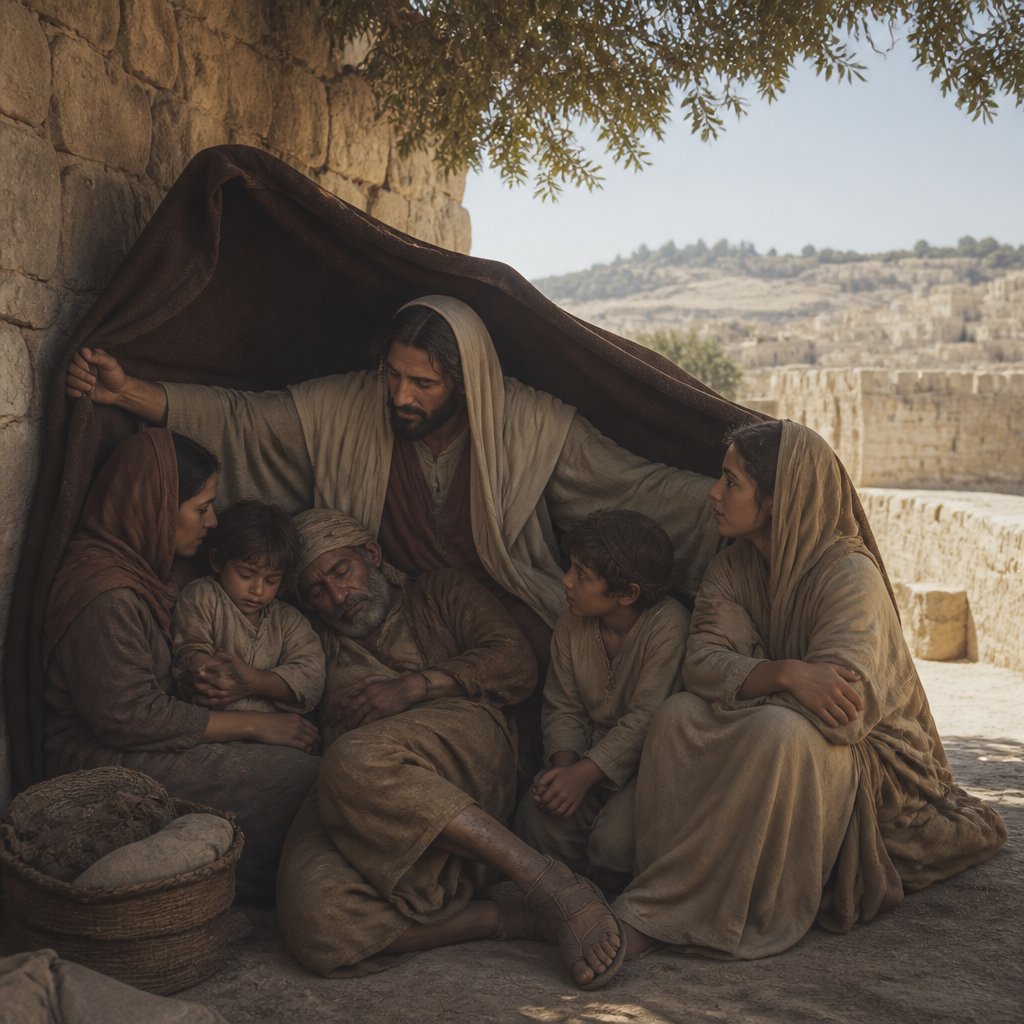
Isaiah 16:3 from the King James Version of the Bible states, "Take counsel, execute judgment; make thy shadow as the night in the midst of the noonday; hide the outcasts; bewray not him that wandereth." This verse is part of a prophecy from the prophet Isaiah concerning the judgment and restoration of Moab, which was the ancient kingdom located in what is now modern-day Jordan. To fully understand the meaning and significance of this verse, it is important to consider the historical and cultural context, as well as the broader themes and symbolism present in the passage.
The verse begins with the command to "take counsel" and "execute judgment," indicating the need for wise and just leadership. This call to action emphasizes the importance of making righteous decisions and acting with integrity, particularly in times of turmoil and distress. The phrase "make thy shadow as the night in the midst of the noonday" is a powerful metaphor, suggesting that the protection and shelter provided should be as comforting and encompassing as the darkness of night during the intense heat of midday. This imagery conveys the idea of offering solace and relief to those in need, even in the most difficult and trying circumstances.
The following command to "hide the outcasts" speaks to the responsibility of providing refuge and support for those who have been marginalized or cast out. This directive reflects the biblical principle of caring for the vulnerable and marginalized members of society, a theme that is echoed throughout the Bible. The verse concludes with the admonition to "bewray not him that wandereth," urging compassion and discretion in dealing with those who are in a state of wandering or displacement. This phrase underscores the importance of protecting and preserving the dignity of individuals who may be in a state of uncertainty or transition.
In addition to the specific historical context of the prophecy concerning Moab, this verse carries broader themes and symbolism that are relevant to the human experience. The call for righteous leadership and compassionate care for the marginalized is a universal principle that transcends time and culture. It speaks to the fundamental values of justice, mercy, and kindness that are central to many religious and ethical traditions.
Furthermore, the imagery of providing shade and shelter in the midst of intense heat can be understood metaphorically as offering comfort and support in the midst of life's trials and difficulties. This message of hope and solace is a powerful and enduring theme that resonates with readers across different generations and circumstances.
Ultimately, Isaiah 16:3 conveys a message of compassion, justice, and mercy, urging individuals and communities to act with integrity and empathy. The verse calls for wise and just leadership, as well as a commitment to caring for those who are in need or vulnerable. It serves as a reminder of the enduring principles of righteousness and compassion that have been central to Judeo-Christian tradition, as well as to many other religious and ethical systems.
In conclusion, Isaiah 16:3 from the King James Version of the Bible is a verse that carries profound significance and timeless relevance. It speaks to the values of justice, mercy, and compassion, urging individuals and communities to act with integrity and kindness. The verse's historical context and broader themes and symbolism contribute to its enduring relevance and power, offering a message of hope and solace in the midst of life's challenges.
Get our apps


Artwork for Isaiah 16:3

Isaiah 16:3 - "Take counsel, execute judgment; make thy shadow as the night in the midst of the noonday; hide the outcasts; bewray not him that wandereth."
"Take counsel, execute judgment; make thy shadow as the night in the midst of the noonday; hide the outcasts; bewray not him that wandereth." - Isaiah 16:3

Isaiah 3:16 - "¶ Moreover the LORD saith, Because the daughters of Zion are haughty, and walk with stretched forth necks and wanton eyes, walking and mincing as they go, and making a tinkling with their feet:"

Isaiah 12:3
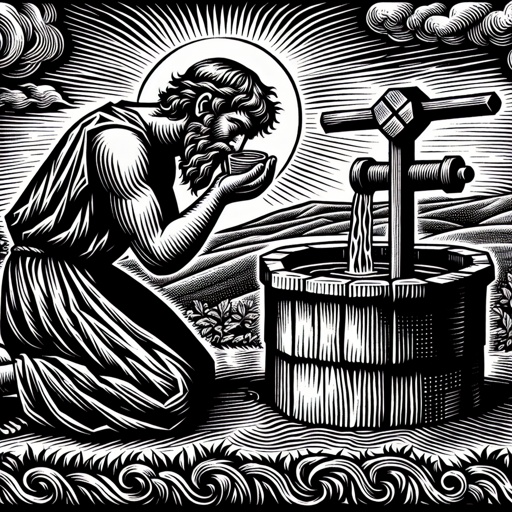
Isaiah 12:3

Isaiah 12:3

Isaiah 12:3

Isaiah 12:3

Isaiah 12:3

Isaiah 12:3

Isaiah 12:3

isaiah 44:3

Isaiah 12:3

Isaiah 12:3

Isaiah 12:3

Isaiah 12:3

Isaiah 12:3

Isaiah 12:3

Isaiah 12:3

Isaiah 26:3

Isaiah 12:3
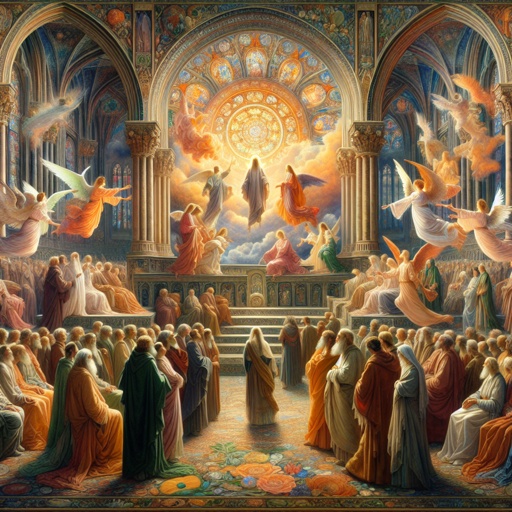
Isaiah 12:3

Isaiah 12:3

Isaiah 12:3

Isaiah 12:3

Isaiah 12:3

Isaiah 12:3

Isaiah 12:3

Isaiah 12:3

Isaiah 12:3