What does Isaiah 1:6 mean?
“From the sole of the foot even unto the head there is no soundness in it; but wounds, and bruises, and putrifying sores: they have not been closed, neither bound up, neither mollified with ointment.” — Isaiah 1:6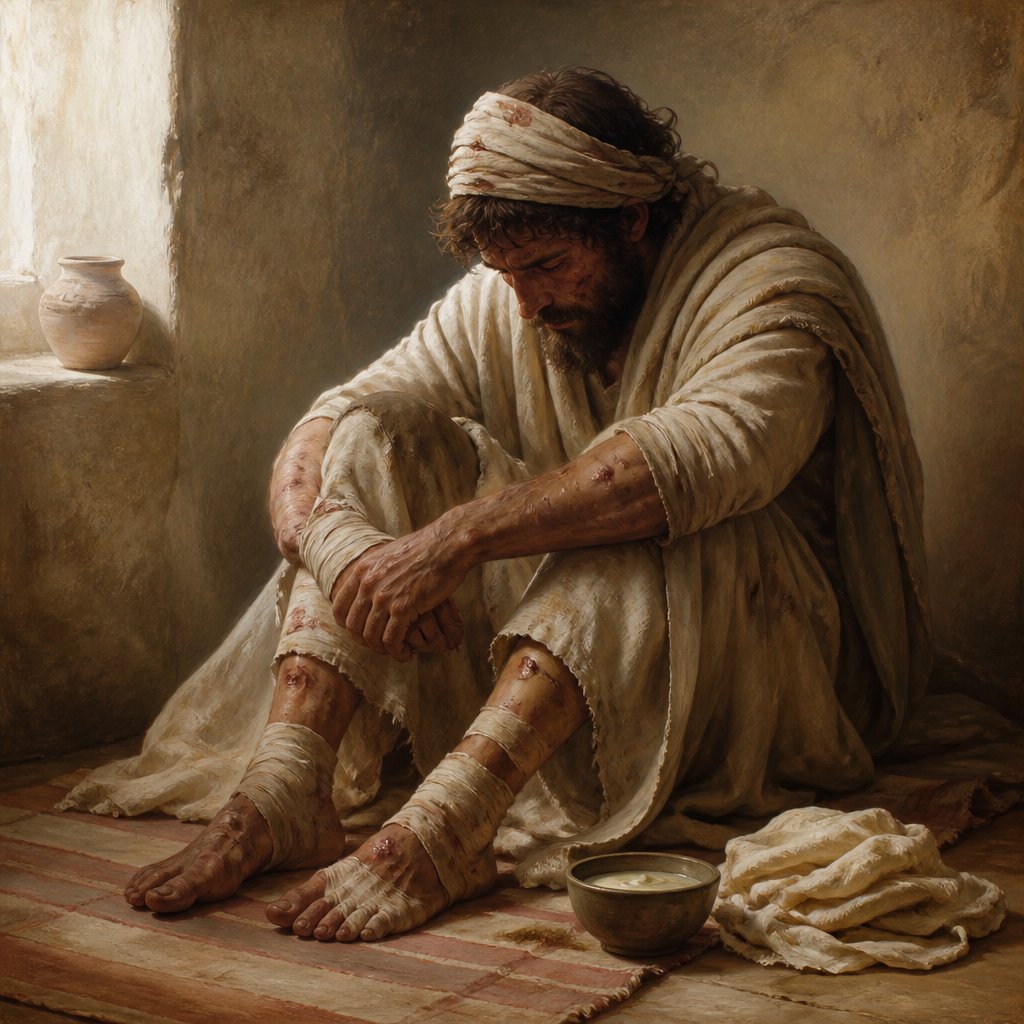
Isaiah 1:6 (KJV) reads: "From the sole of the foot even unto the head there is no soundness in it; but wounds, and bruises, and putrefying sores: they have not been closed, neither bound up, neither mollified with ointment."
This verse comes from the beginning of the book of Isaiah, which is a part of the Old Testament and is often considered one of the major prophets in the Bible. The book of Isaiah is a collection of prophecies concerning God's judgment and redemption for the people of Israel. The prophet Isaiah speaks on behalf of God, calling the people to repentance and warning them of the consequences of their disobedience.
In Isaiah 1:6, the prophet uses vivid imagery to describe the spiritual condition of the people of Israel. The metaphor of a body covered in wounds, bruises, and sores serves as a powerful illustration of the moral and spiritual corruption of the nation. The imagery of an unhealed, diseased body represents the moral decay and spiritual infirmity of the people, highlighting the severity of their disobedience and sinfulness.
The emphasis on the lack of healing and care for these wounds underscores the people's neglect of their relationship with God. The lack of closure, binding, and soothing with ointment indicates a disregard for addressing the sin and brokenness in their lives. The repetition of "neither" in describing the failure to tend to the wounds emphasizes the severity of the neglect and the depth of the spiritual sickness.
This verse serves as a potent indictment of the people's spiritual condition and underscores the urgent need for repentance and restoration. It emphasizes the moral and spiritual bankruptcy of the nation, pointing to the consequences of their sin and disobedience.
The broader context of this verse within the book of Isaiah includes a call to repentance and a warning of impending judgment. The prophet Isaiah confronts the people with the reality of their sins and their need for repentance, urging them to turn back to God. He holds up a mirror to the people, revealing the extent of their moral and spiritual rot, and calls them to acknowledge their need for healing and restoration.
The themes in this verse are repentance, judgment, and restoration. It conveys the message that sin and disobedience lead to spiritual decay and brokenness, but also highlights the possibility of healing and restoration through repentance and returning to God. The imagery of the unhealed and diseased body serves as a powerful warning of the consequences of ignoring the call to repentance and the urgency of turning back to God.
The symbolism of the wounds, bruises, and sores in this verse represents the spiritual and moral brokenness of the people, while the lack of healing and care for these wounds underscores the neglect and disregard for their relationship with God. The image of the unhealed, diseased body serves as a vivid depiction of the consequences of sin and disobedience, but also points to the possibility of healing and restoration through repentance and returning to God.
In conclusion, Isaiah 1:6 (KJV) delivers a potent and sobering message about the spiritual and moral condition of the people of Israel, emphasizing the need for repentance and the consequences of their sin and disobedience. The verse serves as a powerful call to acknowledge their spiritual bankruptcy and turn back to God for healing and restoration. The vivid imagery and symbolism used in this verse convey the urgency and importance of addressing sin and disobedience, while also holding out the hope of healing and restoration through repentance.
Get our apps


Artwork for Isaiah 1:6
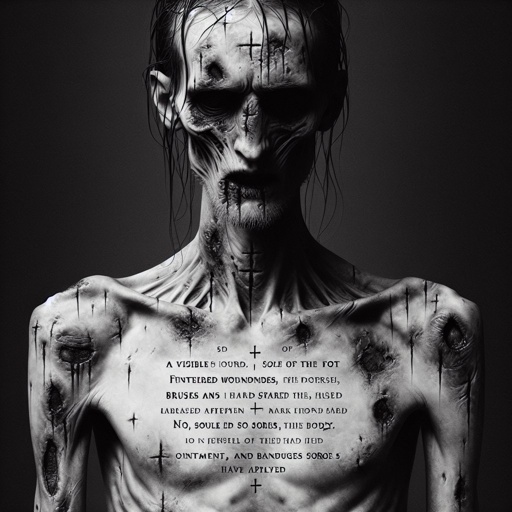
Isaiah 1:6 - "From the sole of the foot even unto the head there is no soundness in it; but wounds, and bruises, and putrifying sores: they have not been closed, neither bound up, neither mollified with ointment."
"From the sole of the foot even unto the head there is no soundness in it; but wounds, and bruises, and putrifying sores: they have not been closed, neither bound up, neither mollified with ointment." - Isaiah 1:6

Isaiah 6:1-5

Isaiah 6:1-5

Isaiah 6:1-5

Isaiah 6:1-5

Isaiah 6:1

Isaiah 6:1-3

Isaiah 6:1-3

Isaiah 6:1-3

Isaiah 6 chapter 1 to 10
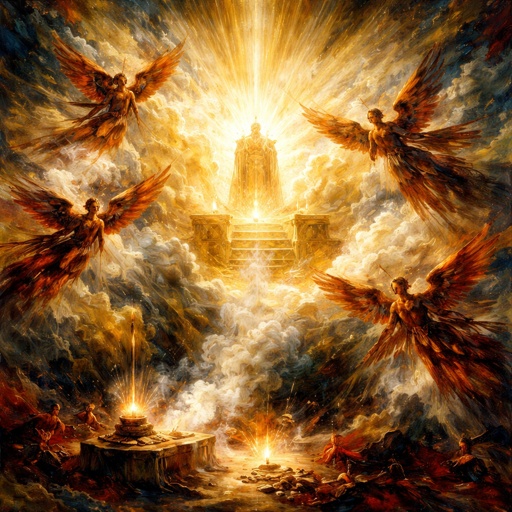
Isaiah 6:1-4. Do not depict God's face.
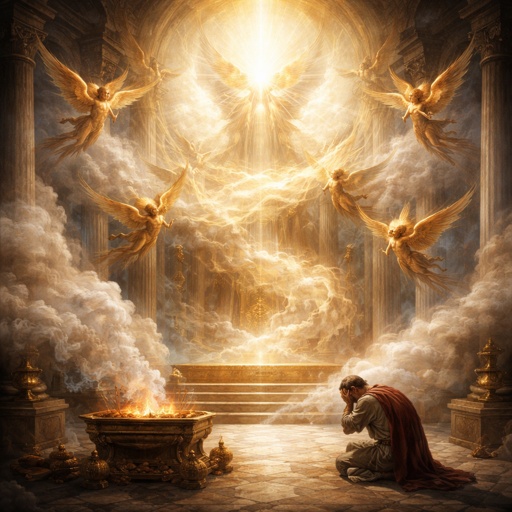
Isaiah 6:1-4. Do not depict God's face.
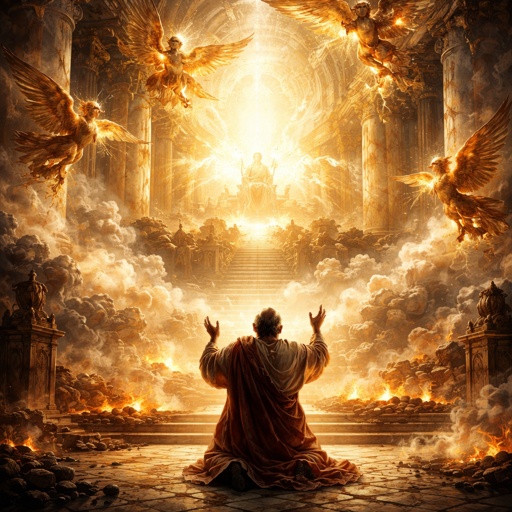
Isaiah 6:1-4. Do not depict God's face.

isaiah 6:6
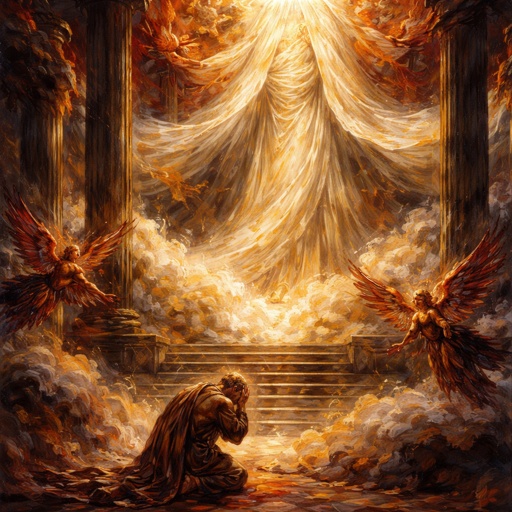
Isaiah 6:1-4. Only seeing the robe of God and not his upper body or face.
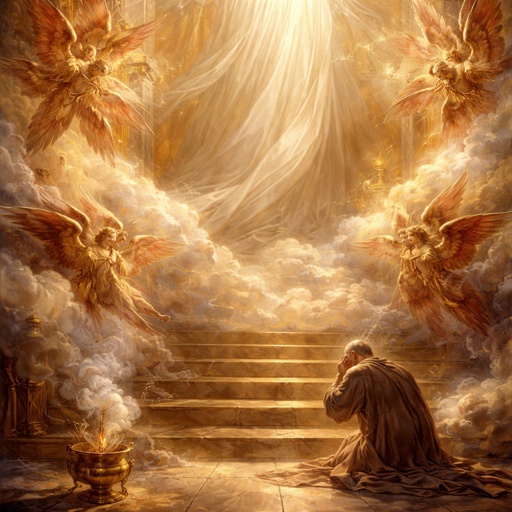
Isaiah 6:1-4. Only seeing the robe of God and not his upper body or face.
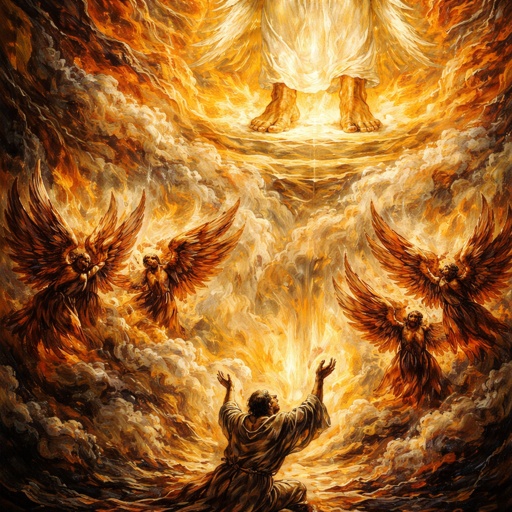
Isaiah 6:1-4. Only seeing the feet of God and not his upper body or face.
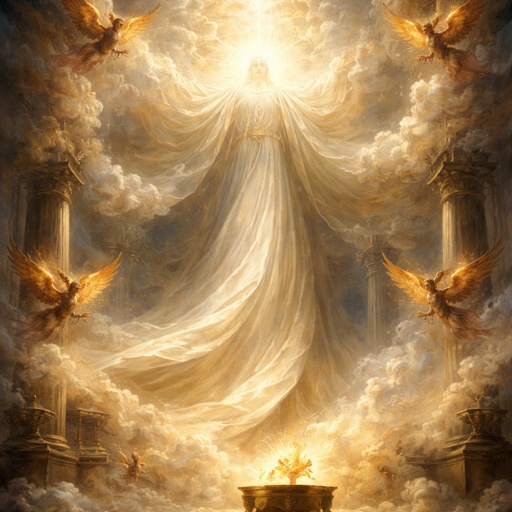
Isaiah 6:1-4. Only seeing the robe of God and not his upper body or face.
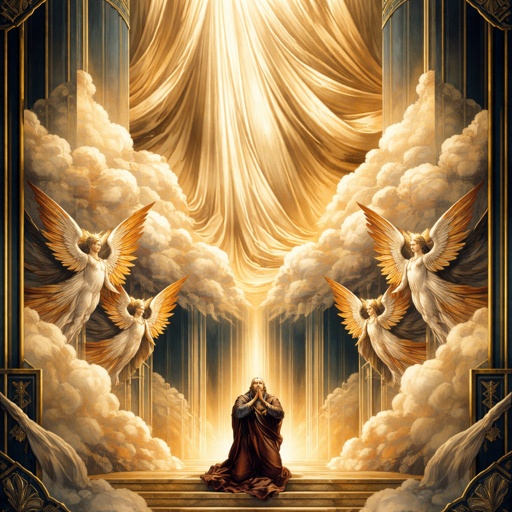
Isaiah 6:1-4. Only seeing the robe of God and not his upper body or face.
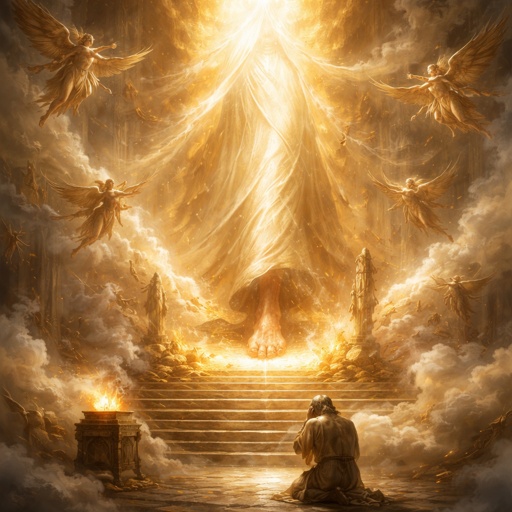
Isaiah 6:1-4. Only seeing the feet of God and not his upper body or face.

Isaiah 6:1 - "In the year that king Uzziah died I saw also the Lord sitting upon a throne, high and lifted up, and his train filled the temple."

Isaiah 6

Isaiah 6

isaiah 6:7
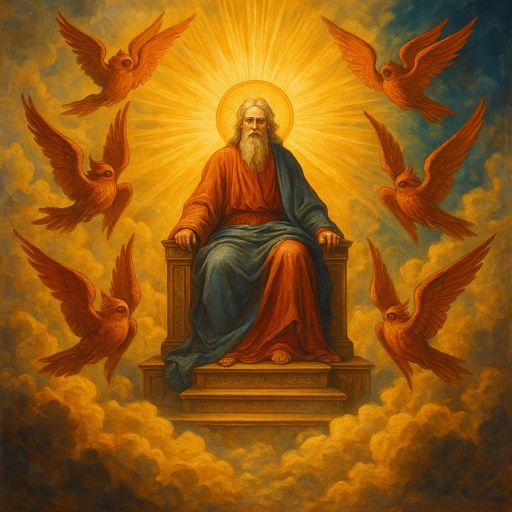
"In the year that king Uzziah died I saw also the Lord sitting upon a throne, high and lifted up, and his train filled the temple." - Isaiah 6:1

Isaiah 9:6

Isaiah 9:6

Isaiah 9:6

isaiah 6:7