What does Isaiah 2:5 mean?
“O house of Jacob, come ye, and let us walk in the light of the LORD.” — Isaiah 2:5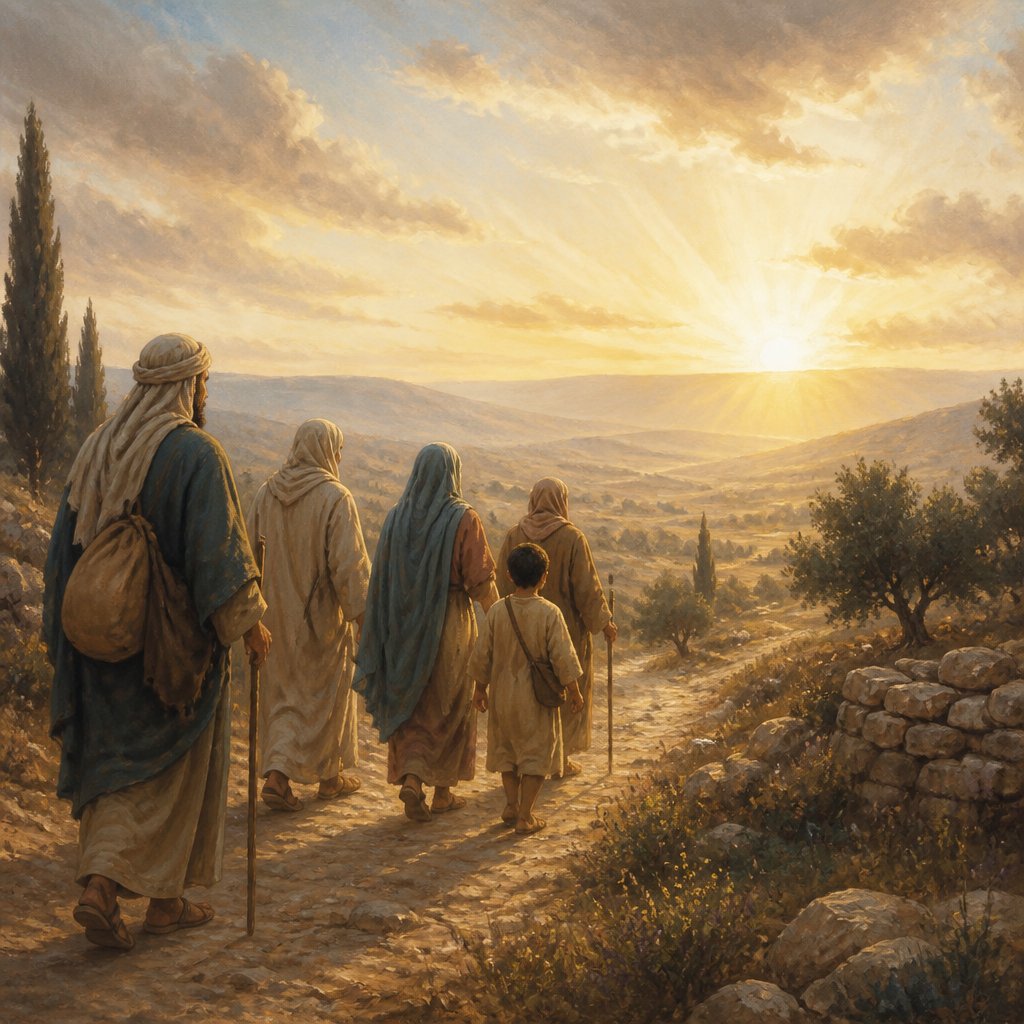
Isaiah 2:5 (KJV) reads, "O house of Jacob, come ye, and let us walk in the light of the Lord." This verse is a powerful call to the people of Israel to turn to God and live in His light. In order to fully understand the depth and significance of this verse, it is important to consider the historical and cultural context, as well as the broader themes and symbolism present in Isaiah's prophetic message.
The Book of Isaiah was written during a tumultuous time in Israel's history. The nation was facing political instability, moral decay, and the threat of foreign invasion. In the midst of these challenges, Isaiah, a prophet of the Lord, sought to bring a message of hope and redemption to the people of Israel. He called them to repentance, to turn away from their sinful ways, and to return to God.
In Isaiah 2:5, the "house of Jacob" refers to the entire nation of Israel, the descendants of the patriarch Jacob, also known as Israel. The use of this term emphasizes the collective responsibility of the people to walk in the light of the Lord. The idea of "walking in the light" conveys the image of following God's guidance and living in a way that is pleasing to Him. It also symbolizes spiritual enlightenment, understanding, and righteousness.
The concept of light is a recurring motif throughout the Bible, often representing God's presence, truth, and purity. In this verse, walking in the light of the Lord signifies a life that is aligned with God's will, characterized by faith, obedience, and holiness. It is a call to live in a way that reflects the divine nature of God and to seek His guidance and wisdom in all aspects of life.
The passage also speaks to the idea of unity and communal worship. The invitation for the "house of Jacob" to come together and walk in the light of the Lord suggests a collective commitment to spiritual renewal. It underscores the importance of corporate worship, fellowship, and accountability within the community of believers. This communal aspect of faith is an essential part of the Christian experience, as it encourages mutual support, discipleship, and the sharing of spiritual gifts and blessings.
From a broader theological perspective, Isaiah 2:5 is rooted in the themes of repentance, redemption, and the sovereignty of God. It echoes the prophetic tradition of calling the people of Israel to turn away from their sinful ways and return to their covenant relationship with God. It reflects the enduring message of God's faithfulness and mercy, even in the face of human disobedience and rebellion. The verse also points to the ultimate fulfillment of God's redemptive plan through His Son, Jesus Christ, who is often described as the "light of the world" (John 8:12).
In conclusion, Isaiah 2:5 is a profound and timeless exhortation for the people of God to walk in His light, to seek His will, and to live in unity and fellowship with one another. It encapsulates the essence of spiritual renewal, communal worship, and the pursuit of righteousness. It also serves as a reminder of God's unwavering love and His desire for His people to experience the fullness of life in Him. As believers, we are called to heed this divine invitation, to walk in the light of the Lord, and to live as a testimony to His grace and truth in the world.
Get our apps


Artwork for Isaiah 2:5

Isaiah 2:5 - "O house of Jacob, come ye, and let us walk in the light of the LORD."
"O house of Jacob, come ye, and let us walk in the light of the LORD." - Isaiah 2:5

2 Kings 19:5 - "So the servants of king Hezekiah came to Isaiah."

"So the servants of king Hezekiah came to Isaiah." - 2 Kings 19:5

Isaiah 37:5 - "So the servants of king Hezekiah came to Isaiah."

Isaiah 39:5 - "Then said Isaiah to Hezekiah, Hear the word of the LORD of hosts:"

Isaiah 5:21

Isaiah 53:5

Isaiah 5:21

Isaiah 6:1-5

Isaiah 6:1-5

Isaiah 6:1-5

Isaiah 6:1-5

Isaiah 48:5

isaiah 5:14

Isaiah 48:5

Isaiah 48:5

Isaiah 6:5

Isaiah 6:5

Isaiah 48:5

Isaiah 5:2 - "And he fenced it, and gathered out the stones thereof, and planted it with the choicest vine, and built a tower in the midst of it, and also made a winepress therein: and he looked that it should bring forth grapes, and it brought forth wild grapes."

Isaiah 45:5-6

"So the servants of king Hezekiah came to Isaiah." - Isaiah 37:5

Isaiah 45:5-6

Isaiah 56:3-5

"Then said Isaiah to Hezekiah, Hear the word of the LORD of hosts:" - Isaiah 39:5

Isaiah 20:5 - "And they shall be afraid and ashamed of Ethiopia their expectation, and of Egypt their glory."

Isaiah 8:5 - "¶ The LORD spake also unto me again, saying,"

Isaiah 14:5 - "The LORD hath broken the staff of the wicked, and the sceptre of the rulers."

Isaiah 2:1 - "The word that Isaiah the son of Amoz saw concerning Judah and Jerusalem."