What does Isaiah 26:10 mean?
“Let favour be shewed to the wicked, yet will he not learn righteousness: in the land of uprightness will he deal unjustly, and will not behold the majesty of the LORD.” — Isaiah 26:10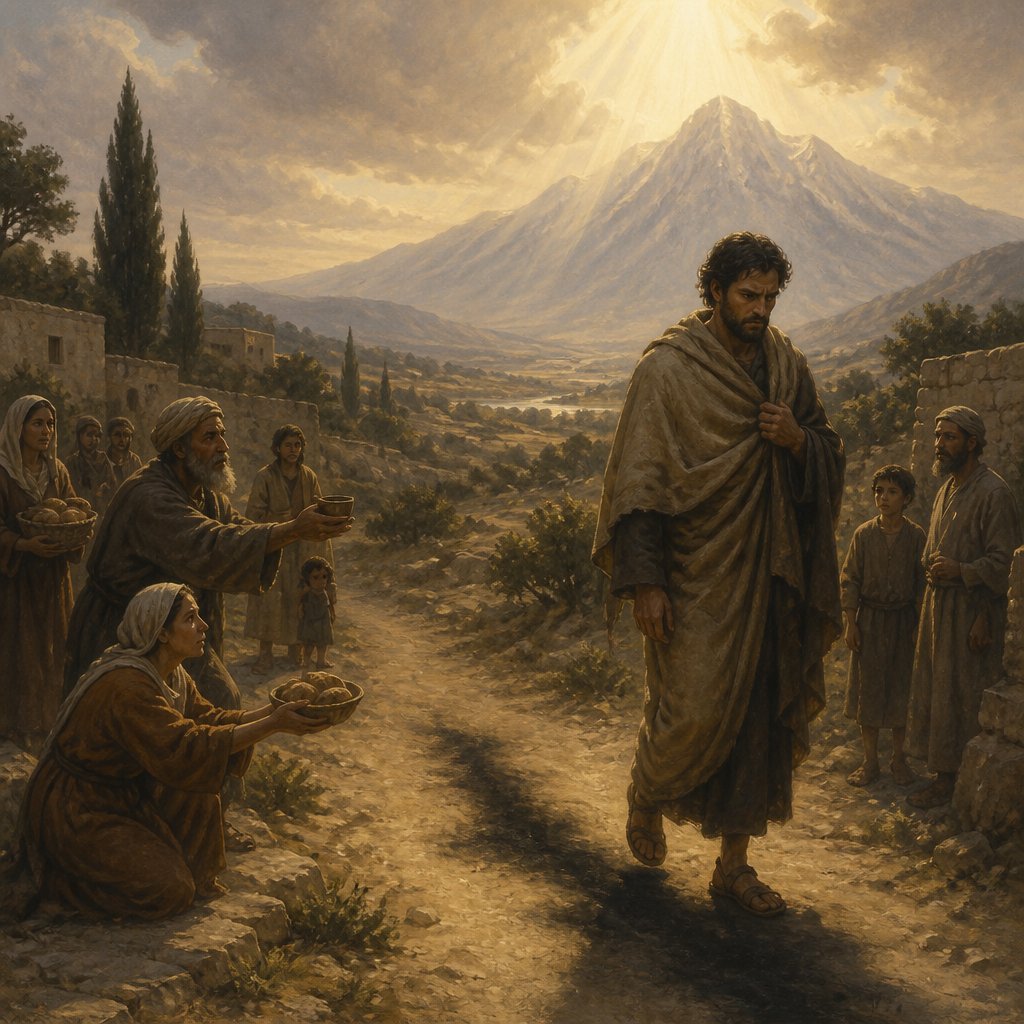
Isaiah 26:10 (KJV) reads, "Let favour be shewed to the wicked, yet will he not learn righteousness: in the land of uprightness will he deal unjustly, and will not behold the majesty of the Lord."
This verse from the Book of Isaiah contains a profound message about the human condition and the nature of sin. It offers insight into the consequences of rejecting God's righteousness and choosing to live in unrighteousness, as well as the concept of divine justice.
The prophet Isaiah, who lived during the 8th century BC, prophesied during a time of great turmoil and injustice in Judah. The people had turned away from God and were engaged in idol worship, oppression of the poor, and moral decay. Isaiah's message was one of warning and admonition, calling the people to repentance and the restoration of their relationship with God.
In Isaiah 26:10, the prophet describes the hardened heart of the wicked, who despite being shown favor and grace, refuses to learn righteousness. This reflects the reality that some individuals are so entrenched in their sinful ways that they are unable or unwilling to change, no matter the blessings or opportunities presented to them. It speaks to the human tendency to resist God's will and pursue selfish desires, even when faced with the consequences of their actions.
The verse also highlights the contrast between righteousness and unrighteousness, depicting the land of uprightness as a place where justice and righteousness prevail, while the wicked continue to act unjustly. This juxtaposition emphasizes the importance of living in accordance with God's will and the dire consequences of straying from it. It serves as a reminder that the path of unrighteousness leads to further corruption and alienation from God.
Furthermore, the mention of the "majesty of the Lord" underscores the significance of recognizing and acknowledging God's sovereignty and holiness. The wicked, in their refusal to behold the majesty of the Lord, demonstrate their lack of reverence and submission to God. This rejection of divine authority results in their continued disobedience and moral decay.
Symbolically, the verse can be interpreted as a representation of the ongoing struggle between good and evil, righteousness and unrighteousness. It illustrates the inherent conflict within human nature and the choice individuals face between following God's will and succumbing to sinful impulses. The inability of the wicked to learn righteousness despite being shown favor serves as a cautionary tale about the consequences of rejecting God's grace and choosing a path of disobedience.
In the broader context of the Book of Isaiah, this verse is part of a larger message of hope and restoration. Despite the prevailing sin and injustice, Isaiah reassures the people of God's ultimate victory and the fulfillment of his promises. The rejection of righteousness by the wicked is juxtaposed with the eventual triumph of God's righteousness and the establishment of a new and righteous kingdom.
In conclusion, Isaiah 26:10 conveys a powerful and timeless message about the nature of sin, the consequences of unrighteousness, and the importance of recognizing God's sovereignty. It serves as a reminder of the ongoing struggle between righteousness and unrighteousness and the need for repentance and obedience to God's will. Ultimately, it points to the hope of restoration and the triumph of righteousness in the divine plan.
Get our apps


Artwork for Isaiah 26:10

Isaiah 26:10 - "Let favour be shewed to the wicked, yet will he not learn righteousness: in the land of uprightness will he deal unjustly, and will not behold the majesty of the LORD."
"Let favour be shewed to the wicked, yet will he not learn righteousness: in the land of uprightness will he deal unjustly, and will not behold the majesty of the LORD." - Isaiah 26:10
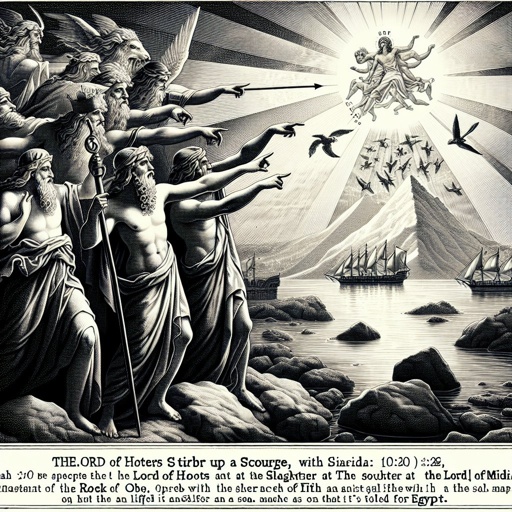
Isaiah 10:26 - "And the LORD of hosts shall stir up a scourge for him according to the slaughter of Midian at the rock of Oreb: and as his rod was upon the sea, so shall he lift it up after the manner of Egypt."

Isaiah 40:26

isaiah 40:26

Isaiah 26:3

isaiah 41:10

isaiah 41:10

isaiah 41:10

isaiah 41:10

isaiah 41:10

isaiah 41:10

isaiah 41:10

isaiah 41:10
isaiah 41:10

isaiah 41:10

isaiah 41:10

isaiah 41:10

isaiah 41:10

isaiah 41:10

isaiah 41:10

isaiah 41:10

isaiah 41:10

isaiah 41:10

isaiah 41:10

isaiah 41:10

isaiah 41:10

isaiah 41:10

isaiah 41:10

Isaiah 26:4 - "Trust ye in the LORD for ever: for in the LORD JEHOVAH is everlasting strength:"