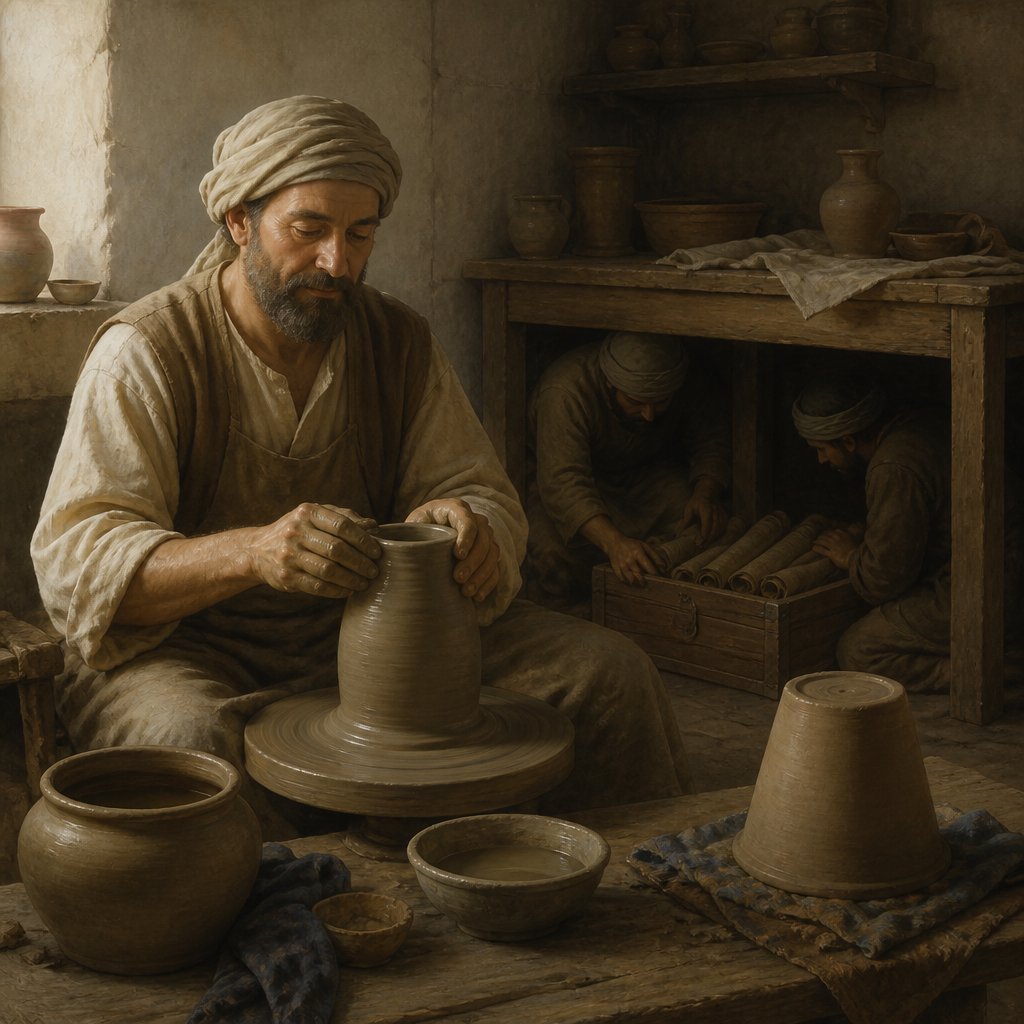
In Isaiah 29:15-16, the King James Version of the Bible states, "Woe unto them that seek deep to hide their counsel from the Lord, and their works are in the dark, and they say, Who seeth us? and who knoweth us? Surely your turning of things upside down shall be esteemed as the potter's clay: for shall the work say of him that made it, He made me not? or shall the thing framed say of him that framed it, He had no understanding?"
This passage from the book of Isaiah offers a poignant condemnation of those who attempt to deceive and conceal their actions from God. It warns of the futility of such efforts, emphasizing the omnipotence and omniscience of the Divine. The verses also contain rich symbolism, drawing upon the imagery of a potter and clay to convey spiritual truths about God's sovereignty and the moral responsibility of humanity.
The overarching theme of Isaiah 29:15-16 is the foolishness of attempting to deceive or hide one's actions from God. The use of the word "woe" at the beginning of the passage signals a strong denunciation of those who engage in such behavior. The word "woe" in the Bible is often used to convey a sense of impending judgment or calamity, and it emphasizes the severity of the transgression being addressed.
The verse also speaks to the arrogance of those who engage in deceptive practices, as they ask, "Who seeth us? and who knoweth us?" This rhetorical question demonstrates a sense of false security and a lack of reverence for the all-seeing and all-knowing nature of God. It reflects a mindset of autonomy and self-sufficiency, which stands in stark contrast to the humility and submission that is required in a relationship with the Divine.
The imagery of the potter and clay in verse 16 further underscores the theme of God's sovereignty and humanity's accountability. The analogy draws upon the process of a potter shaping and molding clay to create a vessel. The potter represents God, who is the ultimate creator and architect of all things. The clay, in turn, symbolizes humanity, which is subject to the will and design of the Potter.
The verse asserts that it is preposterous for the clay to question or resist the intentions of the Molder. It challenges the notion that the work of the Creator can be disregarded or denied by the created. This serves as a powerful reminder of the inherent dependence and subservience of humanity to God, as well as the futility of attempting to thwart or conceal the divine will.
The passage from Isaiah also addresses the issue of moral accountability. It suggests that those who seek to hide their counsel and works in darkness are akin to objects that rebel against their creator. Just as the clay should not repudiate the authority or wisdom of the potter, so too should individuals acknowledge their moral obligation to align with the divine will.
In a broader context, Isaiah 29:15-16 is situated within a prophetic discourse that addresses the spiritual and moral condition of the people of Judah. The passage forms part of a larger oracle in which God exposes the hypocrisy and unfaithfulness of the Israelites. The prophet Isaiah condemns the superficial religiosity and deceptive practices of the people, calling for repentance and genuine devotion to God.
The language and imagery used in the passage are intended to provoke introspection and conviction among the hearers. It challenges them to examine their hearts and acknowledge the futility of attempting to deceive or conceal their actions from the all-seeing eye of God. It calls for a humbling recognition of God's sovereignty and an earnest commitment to walking in obedience and righteousness.
In conclusion, Isaiah 29:15-16 contains a profound and timeless message about the folly of seeking to hide from God and the responsibility of humanity to submit to the divine will. It addresses the themes of accountability, humility, and the sovereignty of God, using vivid imagery and strong language to convey its moral and spiritual significance. As readers contemplate this passage, they are compelled to consider their own attitudes and actions in relation to God and to embrace a posture of reverence and obedience.
Get our apps


Artwork for Isaiah 29:15-16

Isaiah 29:15-16 - "Woe to those who go to great depths to hide their plans from the Lord, who do their work in darkness and think, “Who sees us? Who will know?” You turn things upside down, as if the potter were thought to be like the clay! Shall what is formed say to the one who formed it, “You did not make me”? Can the pot say to the potter, “You know nothing”?"
"Woe to those who go to great depths to hide their plans from the Lord, who do their work in darkness and think, “Who sees us? Who will know?” You turn things upside down, as if the potter were thought to be like the clay! Shall what is formed say to the one who formed it, “You did not make me”? Can the pot say to the potter, “You know nothing”?" - Isaiah 29:15-16

Isaiah 29:15 - "Woe unto them that seek deep to hide their counsel from the LORD, and their works are in the dark, and they say, Who seeth us? and who knoweth us?"
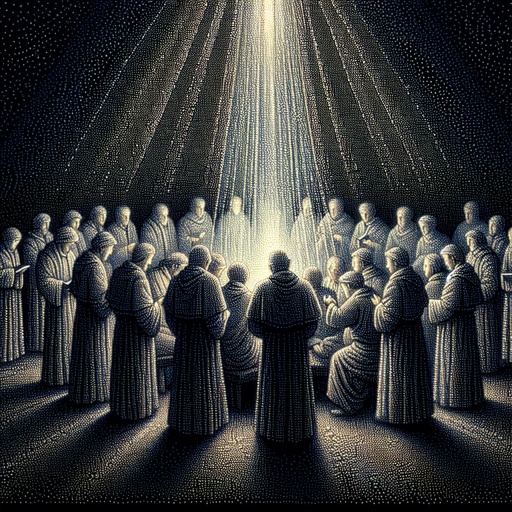
Isaiah 29:15 (KJVA) 15 Woe unto them that seek deep to hide their counsel from the LORD, and their works are in the dark, and they say, Who seeth us? and who knoweth us?

Isaiah 29:16 - "Surely your turning of things upside down shall be esteemed as the potter's clay: for shall the work say of him that made it, He made me not? or shall the thing framed say of him that framed it, He had no understanding?"

Isaiah 29:6

Isaiah 29:12

Isaiah 29:4

Isaiah 29:4

Isaiah 29:18

Genesis 29:16-35

Joshua 15:29 - "Baalah, and Iim, and Azem,"

Genesis 29:15-30
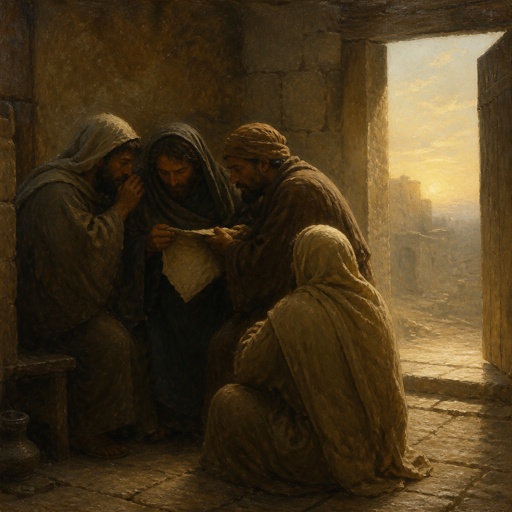
"Woe unto them that seek deep to hide their counsel from the LORD, and their works are in the dark, and they say, Who seeth us? and who knoweth us?" - Isaiah 29:15

put on a scroll acts 15:29

Isaiah 41:29 - "Behold, they are all vanity; their works are nothing: their molten images are wind and confusion."

Job 29:15 - "I was eyes to the blind, and feet was I to the lame."

Isaiah 49:15-16 - "Can a mother forget the baby at her breast and have no compassion on the child she has borne? Though she may forget, I will not forget you! See, I have engraved you on the palms of my hands; your walls are ever before me."

Isaiah 40:29 - "He giveth power to the faint; and to them that have no might he increaseth strength."

Isaiah 29:24 - "They also that erred in spirit shall come to understanding, and they that murmured shall learn doctrine."

Numbers 29:15 - "And a several tenth deal to each lamb of the fourteen lambs:"

Isaiah 29:2 - "Yet I will distress Ariel, and there shall be heaviness and sorrow: and it shall be unto me as Ariel."

Isaiah 29:20 - "For the terrible one is brought to nought, and the scorner is consumed, and all that watch for iniquity are cut off:"

Isaiah 28:29 - "This also cometh forth from the LORD of hosts, which is wonderful in counsel, and excellent in working."

"Baalah, and Iim, and Azem," - Joshua 15:29

Proverbs 15:29 - "The LORD is far from the wicked: but he heareth the prayer of the righteous."

Proverbs 16:29 - "A violent man enticeth his neighbour, and leadeth him into the way that is not good."

Isaiah 29:9 - "¶ Stay yourselves, and wonder; cry ye out, and cry: they are drunken, but not with wine; they stagger, but not with strong drink."

Proverbs 29:16 - "When the wicked are multiplied, transgression increaseth: but the righteous shall see their fall."

Genesis 29:16 - "And Laban had two daughters: the name of the elder was Leah, and the name of the younger was Rachel."