What does Isaiah 36:13 mean?
“Then Rabshakeh stood, and cried with a loud voice in the Jews’ language, and said, Hear ye the words of the great king, the king of Assyria.” — Isaiah 36:13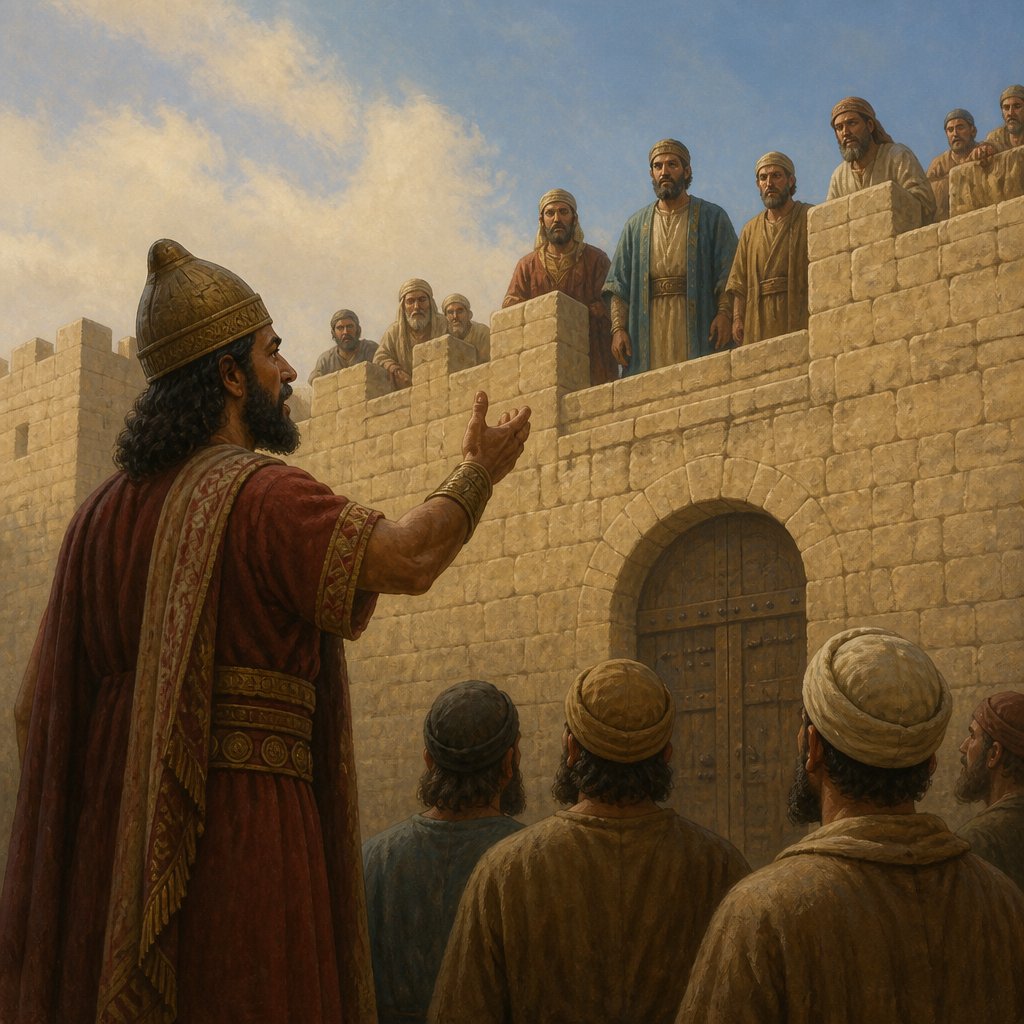
Isaiah 36:13 (KJV) says: "Then Rabshakeh stood, and cried with a loud voice in the Jews' language, and said, Hear ye the words of the great king, the king of Assyria."
This verse comes from the book of Isaiah, which is a prophetic book in the Old Testament of the Bible. The book of Isaiah is often considered to be one of the most profound and significant works in the Hebrew Bible, and it contains a wealth of imagery, poetry, and prophecies that have had a profound impact on both Jewish and Christian theology and spirituality.
In this particular verse, we find the Assyrian general Rabshakeh addressing the people of Judah in their own language, attempting to persuade them to surrender to the king of Assyria. The larger context of this passage is that the Assyrian king Sennacherib had invaded Judah and besieged the city of Jerusalem. He had sent Rabshakeh, his chief officer, to deliver a message to King Hezekiah, urging him to surrender and promising peace and security if he did so.
From a thematic perspective, this verse speaks to the themes of power, persuasion, and trust in divine protection. The Assyrians were a powerful and intimidating force, and they sought to use their military might and persuasive language to convince the people of Judah to capitulate. At the same time, the verse also speaks to the need for faith and trust in God's protection, even in the face of overwhelming odds.
From a historical context, it is important to understand the significance of the Assyrian invasion of Judah. The Assyrian Empire was the dominant power in the ancient Near East during the 8th century BCE, and they were known for their ruthless military campaigns and their practice of deporting conquered peoples. The invasion of Judah was a traumatic and threatening event for the people of Jerusalem, and the message delivered by Rabshakeh would have been deeply unsettling for them.
In terms of symbolism, the figure of Rabshakeh can be seen as representing the forces of worldly power and domination. His loud voice and persuasive language symbolize the seductive allure of earthly power, which can be tempting to trust in, especially in times of crisis. On the other hand, the response of the people of Judah, and the ultimate resolution of the crisis, can be seen as symbolizing the need for faith and trust in God's ultimate sovereignty and protection.
In conclusion, Isaiah 36:13 is a verse that speaks to timeless themes of power, persuasion, faith, and trust in divine protection. It is a verse that invites us to reflect on the nature of worldly power and the need to maintain faith and trust in God, even in the face of overwhelming odds. It is a powerful reminder that, in the midst of crises and trials, we are called to trust in God's ultimate sovereignty and protection.
Get our apps


Artwork for Isaiah 36:13

Isaiah 36:13 - "Then Rabshakeh stood, and cried with a loud voice in the Jews' language, and said, Hear ye the words of the great king, the king of Assyria."
"Then Rabshakeh stood, and cried with a loud voice in the Jews' language, and said, Hear ye the words of the great king, the king of Assyria." - Isaiah 36:13

Isaiah 36:21 - "But they held their peace, and answered him not a word: for the king's commandment was, saying, Answer him not."

Mark 13:36 - "Lest coming suddenly he find you sleeping."

Isaiah 36:14 - "Thus saith the king, Let not Hezekiah deceive you: for he shall not be able to deliver you."

Isaiah 36:19 - "Where are the gods of Hamath and Arphad? where are the gods of Sepharvaim? and have they delivered Samaria out of my hand?"

Job 36:13 - "But the hypocrites in heart heap up wrath: they cry not when he bindeth them."

Genesis 36:13 - "And these are the sons of Reuel; Nahath, and Zerah, Shammah, and Mizzah: these were the sons of Bashemath Esau's wife."

Isaiah 36:3 - "Then came forth unto him Eliakim, Hilkiah's son, which was over the house, and Shebna the scribe, and Joah, Asaph's son, the recorder."

Isaiah 13:1 - "The burden of Babylon, which Isaiah the son of Amoz did see."

Isaiah 36:17 - "Until I come and take you away to a land like your own land, a land of corn and wine, a land of bread and vineyards."

Isaiah 36:20 - "Who are they among all the gods of these lands, that have delivered their land out of my hand, that the LORD should deliver Jerusalem out of my hand?"

Isaiah 36:15 - "Neither let Hezekiah make you trust in the LORD, saying, The LORD will surely deliver us: this city shall not be delivered into the hand of the king of Assyria."

Isaiah 36:9 - "How then wilt thou turn away the face of one captain of the least of my master's servants, and put thy trust on Egypt for chariots and for horsemen?"

Isaiah 41:13

isaiah 6:13

Isaiah 36:4 - "¶ And Rabshakeh said unto them, Say ye now to Hezekiah, Thus saith the great king, the king of Assyria, What confidence is this wherein thou trustest?"

Isaiah 36:10 - "And am I now come up without the LORD against this land to destroy it? the LORD said unto me, Go up against this land, and destroy it."

Isaiah 36:1 - "Now it came to pass in the fourteenth year of king Hezekiah, that Sennacherib king of Assyria came up against all the defenced cities of Judah, and took them."

Isaiah 36:22 - "¶ Then came Eliakim, the son of Hilkiah, that was over the household, and Shebna the scribe, and Joah, the son of Asaph, the recorder, to Hezekiah with their clothes rent, and told him the words of Rabshakeh."

Exodus 36:13 - "And he made fifty taches of gold, and coupled the curtains one unto another with the taches: so it became one tabernacle."

Numbers 36:13 - "These are the commandments and the judgments, which the LORD commanded by the hand of Moses unto the children of Israel in the plains of Moab by Jordan near Jericho."

Jeremiah 36:13 - "Then Michaiah declared unto them all the words that he had heard, when Baruch read the book in the ears of the people."

Leviticus 13:36 - "Then the priest shall look on him: and, behold, if the scall be spread in the skin, the priest shall not seek for yellow hair; he is unclean."

Isaiah 36:18 - "Beware lest Hezekiah persuade you, saying, The LORD will deliver us. Hath any of the gods of the nations delivered his land out of the hand of the king of Assyria?"

Isaiah 37:36 - "Then the angel of the LORD went forth, and smote in the camp of the Assyrians a hundred and fourscore and five thousand: and when they arose early in the morning, behold, they were all dead corpses."

Isaiah 36:5 - "I say, sayest thou, (but they are but vain words) I have counsel and strength for war: now on whom dost thou trust, that thou rebellest against me?"

Isaiah 36:2 - "And the king of Assyria sent Rabshakeh from Lachish to Jerusalem unto king Hezekiah with a great army. And he stood by the conduit of the upper pool in the highway of the fuller's field."
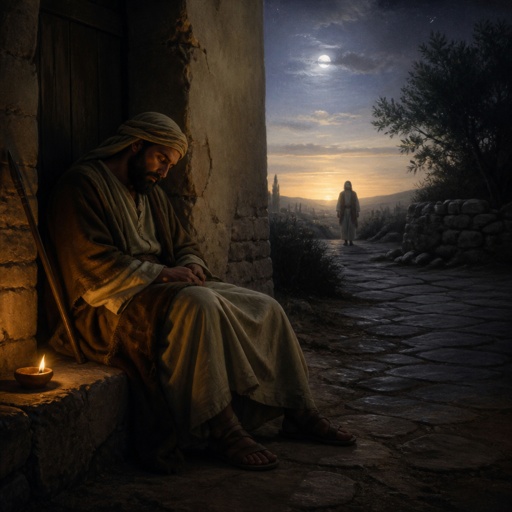
"Lest coming suddenly he find you sleeping." - Mark 13:36

Isaiah 36:6 - "Lo, thou trustest in the staff of this broken reed, on Egypt; whereon if a man lean, it will go into his hand, and pierce it: so is Pharaoh king of Egypt to all that trust in him."