What does Isaiah 37:27 mean?
“Therefore their inhabitants were of small power, they were dismayed and confounded: they were as the grass of the field, and as the green herb, as the grass on the housetops, and as corn blasted before it be grown up.” — Isaiah 37:27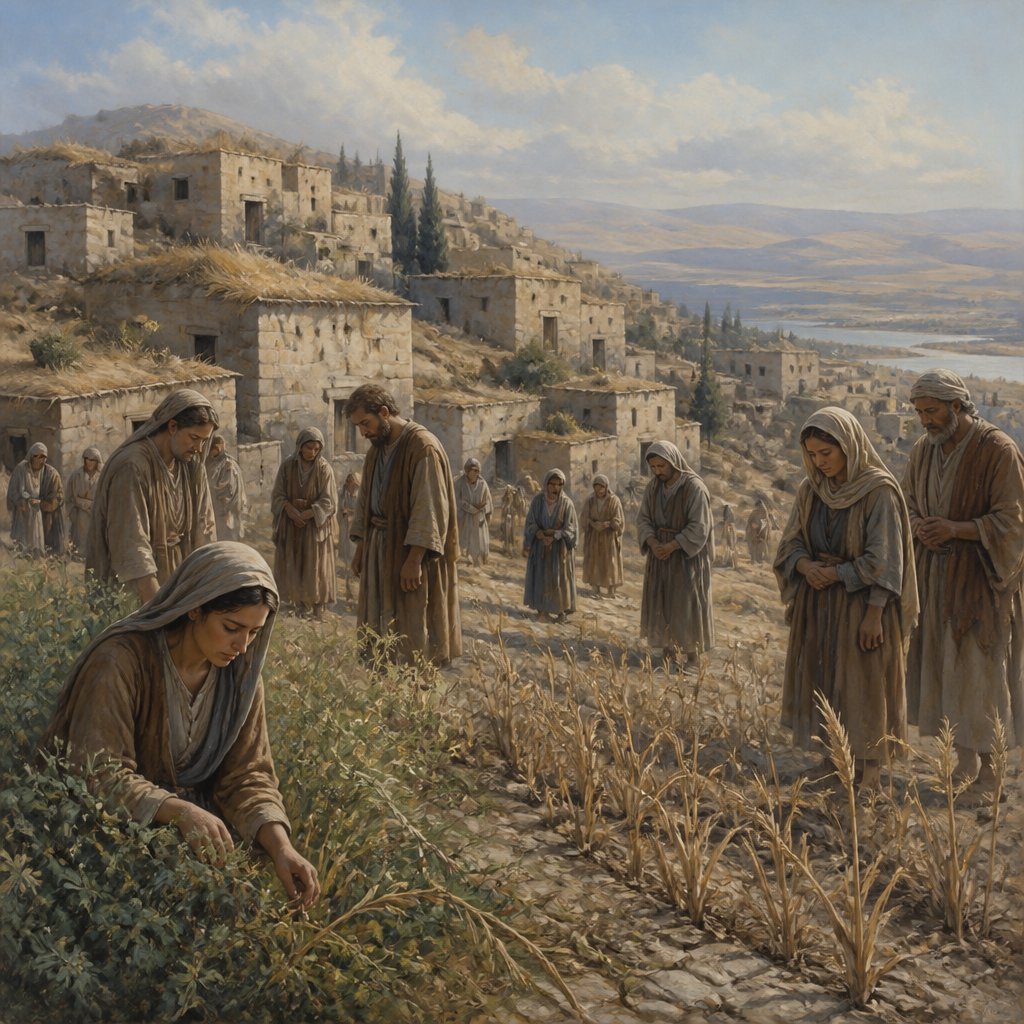
Isaiah 37:27 (KJV) states, "Therefore their inhabitants were of small power, they were dismayed and confounded: they were as the grass of the field, and as the green herb, as the grass on the house tops, and as corn blasted before it be grown up."
In order to fully understand the meaning and significance of this verse, it is important to examine the context in which it was written and the themes that it addresses. The Book of Isaiah is a significant prophetic book in the Old Testament, attributed to the prophet Isaiah. It is known for its powerful imagery, linguistic artistry, and profound theological insights. The overarching theme of the book is the impending judgment of God on the nation of Judah, and the promise of restoration and redemption through the coming of the Messiah.
In Isaiah 37, specifically, the Assyrian army has laid siege to Jerusalem, threatening the very existence of the kingdom of Judah. King Hezekiah, in response to the threat, seeks the counsel of the prophet Isaiah, who assures him of God's protection and deliverance. The verse in question, Isaiah 37:27, is part of Isaiah's prophecy concerning the fate of the enemies of Judah.
The verse begins by describing the inhabitants of the enemy cities as being of "small power." This suggests that despite their military might and imposing presence, they are ultimately powerless in the face of God's sovereignty. The following words, "they were dismayed and confounded," further underscore the vulnerability and helplessness of the enemy. The image painted is one of fear, confusion, and defeat, as the mighty warriors are reduced to a state of panic and disarray.
The subsequent similes, comparing the enemy to "the grass of the field" and "the green herb," serve to emphasize the transitory and fragile nature of their existence. Just as the grass withers and fades away, so too will the strength and power of the enemy. Additionally, the mention of "the grass on the house tops" alludes to the superficial and temporary nature of their dominance, as it lacks the sustenance and roots needed for lasting significance.
The final comparison, "as corn blasted before it be grown up," further reinforces the theme of impermanence and futility. The imagery of the prematurely withered crops serves as a metaphor for the premature and futile efforts of the enemy's aggression. Just as the crops are unable to fulfill their potential and purpose, so too will the enemy's plans be thwarted and unfulfilled.
In a broader theological sense, this verse serves as a powerful reminder of God's sovereignty and the futility of human efforts to thwart His plans. It speaks to the ephemeral nature of worldly power and the ultimate triumph of God's purposes. Furthermore, it carries the underlying message of hope and assurance for God's people, as it reaffirms His protective presence and ultimate deliverance.
Symbolically, the imagery of the grass and the crops also speaks to the broader human condition. It serves as a poignant reminder of the fleeting nature of human accomplishments, and the inevitable decay and destruction that awaits those who place their trust in worldly power. In contrast, it highlights the enduring and life-giving nature of God's promises and the assurance of His ultimate victory.
In conclusion, Isaiah 37:27 (KJV) conveys a profound message of hope, assurance, and divine sovereignty. It serves as a poignant reminder of the transitory nature of worldly power and the enduring strength of God's purposes. As such, it continues to resonate with believers as a source of comfort, inspiration, and unwavering trust in the unchanging faithfulness of God.
Get our apps


Artwork for Isaiah 37:27
Isaiah 37:27 - "Therefore their inhabitants were of small power, they were dismayed and confounded: they were as the grass of the field, and as the green herb, as the grass on the housetops, and as corn blasted before it be grown up."
"Therefore their inhabitants were of small power, they were dismayed and confounded: they were as the grass of the field, and as the green herb, as the grass on the housetops, and as corn blasted before it be grown up." - Isaiah 37:27

Isaiah 37:5 - "So the servants of king Hezekiah came to Isaiah."

Isaiah 37:37 - "¶ So Sennacherib king of Assyria departed, and went and returned, and dwelt at Nineveh."

Psalms 37:27 - "Depart from evil, and do good; and dwell for evermore."

Isaiah 37:15 - "And Hezekiah prayed unto the LORD, saying,"

"So the servants of king Hezekiah came to Isaiah." - Isaiah 37:5

Acts 27:37 - "And we were in all in the ship two hundred threescore and sixteen souls."

Isaiah 37:2 - "And he sent Eliakim, who was over the household, and Shebna the scribe, and the elders of the priests covered with sackcloth, unto Isaiah the prophet the son of Amoz."

"¶ So Sennacherib king of Assyria departed, and went and returned, and dwelt at Nineveh." - Isaiah 37:37

Ezekiel 37:27 - "My tabernacle also shall be with them: yea, I will be their God, and they shall be my people."

Matthew 27:37 - "And set up over his head his accusation written, THIS IS JESUS THE KING OF THE JEWS."

isaiah 1:27

Isaiah 37:18 - "Of a truth, LORD, the kings of Assyria have laid waste all the nations, and their countries,"

Isaiah 37:13 - "Where is the king of Hamath, and the king of Arphad, and the king of the city of Sepharvaim, Hena, and Ivah?"

Isaiah 37:21 - "¶ Then Isaiah the son of Amoz sent unto Hezekiah, saying, Thus saith the LORD God of Israel, Whereas thou hast prayed to me against Sennacherib king of Assyria:"

Isaiah 37:35 - "For I will defend this city to save it for mine own sake, and for my servant David's sake."

"And Hezekiah prayed unto the LORD, saying," - Isaiah 37:15

Isaiah 37:34 - "By the way that he came, by the same shall he return, and shall not come into this city, saith the LORD."

Isaiah 37:31 - "And the remnant that is escaped of the house of Judah shall again take root downward, and bear fruit upward:"

Isaiah 37:28 - "But I know thy abode, and thy going out, and thy coming in, and thy rage against me."

"Depart from evil, and do good; and dwell for evermore." - Psalms 37:27

Exodus 37:27 - "And he made two rings of gold for it under the crown thereof, by the two corners of it, upon the two sides thereof, to be places for the staves to bear it withal."

Isaiah 37:6 - "¶ And Isaiah said unto them, Thus shall ye say unto your master, Thus saith the LORD, Be not afraid of the words that thou hast heard, wherewith the servants of the king of Assyria have blasphemed me."

Isaiah 1:27 - "Zion shall be redeemed with judgment, and her converts with righteousness."

Isaiah 37:32 - "For out of Jerusalem shall go forth a remnant, and they that escape out of mount Zion: the zeal of the LORD of hosts shall do this."

Isaiah 37:19 - "And have cast their gods into the fire: for they were no gods, but the work of men's hands, wood and stone: therefore they have destroyed them."

Isaiah 37:1 - "And it came to pass, when king Hezekiah heard it, that he rent his clothes, and covered himself with sackcloth, and went into the house of the LORD."

Genesis 37:27 - "Come, and let us sell him to the Ishmeelites, and let not our hand be upon him; for he is our brother and our flesh. And his brethren were content."

Isaiah 37:8 - "¶ So Rabshakeh returned, and found the king of Assyria warring against Libnah: for he had heard that he was departed from Lachish."