What does Isaiah 37:28 mean?
“But I know thy abode, and thy going out, and thy coming in, and thy rage against me.” — Isaiah 37:28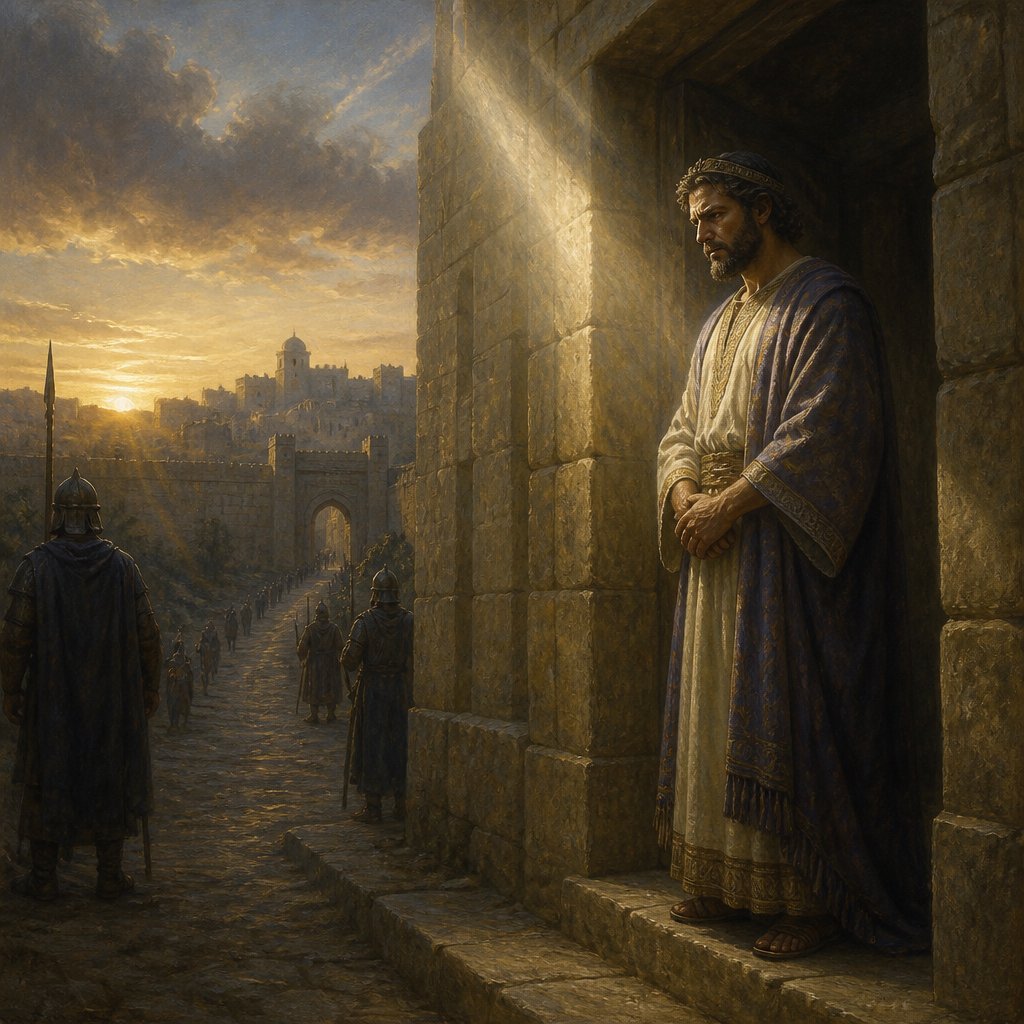
Isaiah 37:28 (KJV): "But I know thy abode, and thy going out, and thy coming in, and thy rage against me."
In order to properly understand the meaning and significance of Isaiah 37:28 in the context of the entire book of Isaiah and the biblical narrative as a whole, it is important to consider the historical and cultural background of the verse. The book of Isaiah is part of the Old Testament and it is traditionally attributed to the prophet Isaiah who lived in the 8th century BC. The context of the verse is the time when the Assyrian Empire was threatening the Kingdom of Judah and its capital, Jerusalem.
The verse comes from a passage in Isaiah 37 where King Hezekiah is facing a dire situation as the Assyrian king, Sennacherib, has sent a threatening letter to him, boasting of his conquests and challenging the power of the God of Israel. Sennacherib's army had already captured many cities in Judah and was now encamped outside Jerusalem, ready to besiege the city. In response to these threats, Hezekiah sought the counsel and intervention of the prophet Isaiah, who reassured him that God would protect Jerusalem and deliver them from the hands of the Assyrians.
In the midst of this intense conflict and the imminent threat of invasion, Isaiah 37:28 reflects the divine knowledge and sovereignty of God over the affairs of men. The verse emphasizes that God is intimately aware of Sennacherib's actions, movements, and intentions. The language used in the verse conveys a sense of divine omniscience and control, as God declares that He knows "thy abode, and thy going out, and thy coming in, and thy rage against me."
The verse reflects the overarching theme of God's sovereignty and control over the nations and the course of history. It serves as a reminder that no human power or authority can ultimately thwart the plans and purposes of God. The Assyrian threat is portrayed as insignificant in the face of God's knowledge and power. This theme is consistent with the broader message of Isaiah, which emphasizes the supremacy of God and His ultimate authority over all things.
Furthermore, the verse also highlights the contrast between the arrogance and rage of the Assyrian king and the steadfastness and faith of King Hezekiah and the people of Judah. While Sennacherib boasts of his conquests and threatens the sovereignty of God, Hezekiah places his trust in the Lord and seeks His deliverance. This stands as a testament to the faithfulness of God in preserving and protecting His people in the face of adversity.
In terms of symbolism, the verse can be seen as a portrayal of the spiritual conflict between the forces of evil and the sovereignty of God. The rage of Sennacherib against God's chosen people can be seen as a metaphor for the opposition and hostility that believers may face in their walk with God. The verse serves as a source of encouragement and assurance for believers, as it reminds them that God is intimately aware of their circumstances and is able to intervene on their behalf.
In conclusion, Isaiah 37:28 is a powerful declaration of God's knowledge, sovereignty, and protection over His people in the face of adversity. It conveys a message of hope and assurance in the face of opposition and serves as a reminder of the ultimate victory of God over the forces of evil. As such, it continues to inspire and uplift believers today, offering a timeless message of faith and trust in the midst of trials and challenges.
Get our apps


Artwork for Isaiah 37:28

Isaiah 37:28 - "But I know thy abode, and thy going out, and thy coming in, and thy rage against me."
"But I know thy abode, and thy going out, and thy coming in, and thy rage against me." - Isaiah 37:28

Isaiah 37:5 - "So the servants of king Hezekiah came to Isaiah."

Mark 13:28-37

Mark 13:28-37

Mark 13:28-37

luke 13:28-37

Mark 13:28-37

luke 13:28-37

Isaiah 37:37 - "¶ So Sennacherib king of Assyria departed, and went and returned, and dwelt at Nineveh."

Exodus 37:28 - "And he made the staves of shittim wood, and overlaid them with gold."

Isaiah 37:15 - "And Hezekiah prayed unto the LORD, saying,"

"So the servants of king Hezekiah came to Isaiah." - Isaiah 37:5

Isaiah 37:2 - "And he sent Eliakim, who was over the household, and Shebna the scribe, and the elders of the priests covered with sackcloth, unto Isaiah the prophet the son of Amoz."

"¶ So Sennacherib king of Assyria departed, and went and returned, and dwelt at Nineveh." - Isaiah 37:37

Isaiah 28:12

Isaiah 28:12

Exodus 28:37 - "And thou shalt put it on a blue lace, that it may be upon the mitre; upon the forefront of the mitre it shall be."

Psalms 37:28 - "For the LORD loveth judgment, and forsaketh not his saints; they are preserved for ever: but the seed of the wicked shall be cut off."

Isaiah 37:18 - "Of a truth, LORD, the kings of Assyria have laid waste all the nations, and their countries,"

Deuteronomy 28:37 - "And thou shalt become an astonishment, a proverb, and a byword, among all nations whither the LORD shall lead thee."

Isaiah 37:13 - "Where is the king of Hamath, and the king of Arphad, and the king of the city of Sepharvaim, Hena, and Ivah?"

Isaiah 37:21 - "¶ Then Isaiah the son of Amoz sent unto Hezekiah, saying, Thus saith the LORD God of Israel, Whereas thou hast prayed to me against Sennacherib king of Assyria:"

Ezekiel 37:28 - "And the heathen shall know that I the LORD do sanctify Israel, when my sanctuary shall be in the midst of them for evermore."

Isaiah 37:35 - "For I will defend this city to save it for mine own sake, and for my servant David's sake."

"And Hezekiah prayed unto the LORD, saying," - Isaiah 37:15

Isaiah 37:34 - "By the way that he came, by the same shall he return, and shall not come into this city, saith the LORD."

Isaiah 37:31 - "And the remnant that is escaped of the house of Judah shall again take root downward, and bear fruit upward:"

Isaiah 28:28 - "Bread corn is bruised; because he will not ever be threshing it, nor break it with the wheel of his cart, nor bruise it with his horsemen."

Isaiah 14:28 - "In the year that king Ahaz died was this burden."