What does Isaiah 48:12 mean?
“Hearken unto me, O Jacob and Israel, my called; I am he; I am the first, I also am the last.” — Isaiah 48:12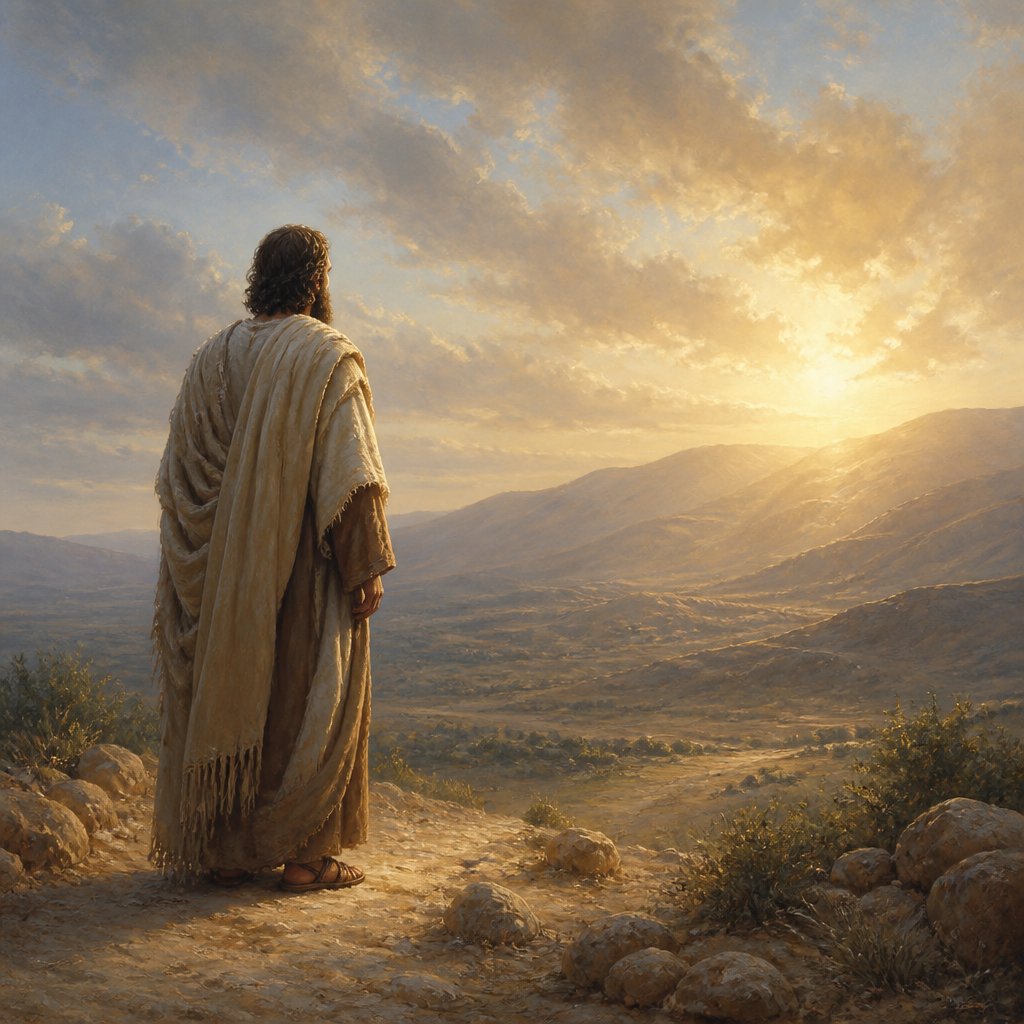
Isaiah 48:12 from the King James Version (KJV) reads:
"Hearken unto me, O Jacob and Israel, my called; I am he; I am the first, I also am the last."
This verse is part of the prophecy of Isaiah, which was written during a tumultuous time in Israel's history. The prophet Isaiah was speaking to the Jewish people, specifically addressing those in the Northern Kingdom of Israel, known as Jacob, and the Southern Kingdom of Judah, known as Israel. In this particular passage, Isaiah is exhorting the people to listen to him, as he speaks on behalf of God.
The verse begins with the command to "hearken unto me," which means to listen closely and pay attention. This is a common refrain throughout the book of Isaiah, as the prophet repeatedly urges the people to listen to the word of God. The use of the names Jacob and Israel is significant, as it serves as a reminder of the covenant relationship between God and the Jewish people. These names were given to the patriarch Jacob after he wrestled with God, and they became synonymous with the nation of Israel. By addressing them by these names, Isaiah is emphasizing their identity as God's chosen people.
The phrase "my called" further reinforces this idea of the special relationship between God and the Israelites. It suggests that they are a people who have been called and chosen by God for a specific purpose. This is in line with the biblical concept of election, which teaches that God has chosen certain individuals or groups for salvation and service.
The next part of the verse contains a powerful declaration from God himself: "I am he; I am the first, I also am the last." This statement is rich in meaning and symbolism. It emphasizes the unique identity and authority of the God of Israel. The phrase "I am he" can be interpreted as a declaration of God's existence and self-sufficiency. It conveys the idea that God is the ultimate reality, the one who has always existed and will always exist. This is echoed in the New Testament, where Jesus also describes himself as "I am" in John 8:58, affirming his divine nature.
The assertion "I am the first, I also am the last" further underscores God's supremacy and eternal nature. This language is reminiscent of other passages in the Bible that describe God as the Alpha and Omega, the beginning and the end. It communicates the idea that God is not bound by time or limited by any other being. He alone is the source of all things and the ultimate destination of all creation.
In terms of context, this verse is situated within a larger portion of the book of Isaiah that contains messages of judgment and restoration for the nation of Israel. The prophet Isaiah was serving as a mouthpiece for God, warning the people about the consequences of their disobedience and urging them to repent and return to the Lord. The declaration in Isaiah 48:12 can be seen as a reminder of God's sovereignty and faithfulness, even in the midst of judgment. It serves as a reassurance to the Israelites that God is still with them, despite their waywardness and the challenges they are facing.
In terms of themes, Isaiah 48:12 highlights several important theological concepts. It emphasizes the unique relationship between God and the people of Israel, underscoring their identity as the chosen ones. It also exalts the sovereignty and eternity of God, positioning him as the ultimate authority in the universe. The verse encapsulates the overarching message of the book of Isaiah, which is a call to recognize God's lordship and to live in obedience to his will.
In conclusion, Isaiah 48:12 from the King James Version is a powerful statement that encapsulates key themes and theological truths. It serves as a potent reminder of God's unique relationship with the nation of Israel and his unchanging nature as the sovereign Lord of all. This verse continues to inspire and challenge believers today, calling them to heed the voice of God and to acknowledge his supremacy in their lives.
Get our apps


Artwork for Isaiah 48:12

Isaiah 48:12 - "¶ Hearken unto me, O Jacob and Israel, my called; I am he; I am the first, I also am the last."
"¶ Hearken unto me, O Jacob and Israel, my called; I am he; I am the first, I also am the last." - Isaiah 48:12

Isaiah 48

Isaiah 48

Isaiah 48

Isaiah 48

Isaiah 48:5

Isaiah 48:5

Isaiah 48:5

Isaiah 48:5

Isaiah 48:22 - "There is no peace, saith the LORD, unto the wicked."

"There is no peace, saith the LORD, unto the wicked." - Isaiah 48:22

Isaiah 48:10 - "Behold, I have refined thee, but not with silver; I have chosen thee in the furnace of affliction."

Isaiah 48:4 - "Because I knew that thou art obstinate, and thy neck is an iron sinew, and thy brow brass;"

Isaiah 48:2 - "For they call themselves of the holy city, and stay themselves upon the God of Israel; The LORD of hosts is his name."

Psalms 48:12 - "Walk about Zion, and go round about her: tell the towers thereof."

Ezekiel 48:12 - "And this oblation of the land that is offered shall be unto them a thing most holy by the border of the Levites."

Isaiah 48:18 - "O that thou hadst hearkened to my commandments! then had thy peace been as a river, and thy righteousness as the waves of the sea:"

Isaiah 48:9 - "¶ For my name's sake will I defer mine anger, and for my praise will I refrain for thee, that I cut thee not off."

Matthew 12:48 - "But he answered and said unto him that told him, Who is my mother? and who are my brethren?"

Genesis 48:12 - "And Joseph brought them out from between his knees, and he bowed himself with his face to the earth."

Isaiah 48:7 - "They are created now, and not from the beginning; even before the day when thou heardest them not; lest thou shouldest say, Behold, I knew them."

Isaiah 48:15 - "I, even I, have spoken; yea, I have called him: I have brought him, and he shall make his way prosperous."

Isaiah 48:11 - "For mine own sake, even for mine own sake, will I do it: for how should my name be polluted? and I will not give my glory unto another."

Isaiah 48:13 - "Mine hand also hath laid the foundation of the earth, and my right hand hath spanned the heavens: when I call unto them, they stand up together."

Isaiah 48:21 - "And they thirsted not when he led them through the deserts: he caused the waters to flow out of the rock for them: he clave the rock also, and the waters gushed out."

Isaiah 48:5 A highly conceptual and symbolic representation of Isaiah 48:5. Visualize a vast, ancient timepiece or scroll that is simultaneously unrolling into the present moment. The scroll is emanating a brilliant, glowing light which is eclipsing shadowed, shattered fragments of carved wood and broken metal idols scattered at the base of the image. The style should be highly detailed, luminous, and inspired by Baroque painting, emphasizing dramatic contrast (chiaroscuro) between the divine light and the darkness of human-made deities.

Isaiah 48:3 - "I have declared the former things from the beginning; and they went forth out of my mouth, and I shewed them; I did them suddenly, and they came to pass."

Isaiah 48:6 - "Thou hast heard, see all this; and will not ye declare it? I have shewed thee new things from this time, even hidden things, and thou didst not know them."

Isaiah 48:19 - "Thy seed also had been as the sand, and the offspring of thy bowels like the gravel thereof; his name should not have been cut off nor destroyed from before me."