What does Isaiah 63:19 mean?
“We are thine: thou never barest rule over them; they were not called by thy name.” — Isaiah 63:19
Isaiah 63:19 (KJV) reads, "We are thine: thou never barest rule over them; they were not called by thy name." This verse is part of a larger passage in the book of Isaiah which details the prophet's lament over the state of the people of Israel and their relationship with God. In this verse, the prophet Isaiah is expressing the Israelites' acknowledgment of their submission to God and their desire to be known by His name. However, they also express a sense of distance from God and a feeling of being abandoned by Him.
One of the thematic elements of this verse is the concept of ownership and belonging. The Israelites are claiming to belong to God, acknowledging that they are His people. However, they also acknowledge a sense of distance and separation from God, as they lament that He never ruled over them and they were not called by His name. This reflects the complex relationship between the Israelites and God, and the tension between their desire to belong to Him and the perceived distance from Him.
The context of this verse is crucial in understanding its deeper meaning. In the larger passage of Isaiah 63, the prophet is reflecting on the history of the Israelites and their relationship with God. He recounts God's past intervention on behalf of His people, particularly in delivering them from their enemies and establishing them in the land of Canaan. However, despite God's faithfulness to them, the Israelites have rebelled and turned away from Him, leading to their current state of exile and alienation. Isaiah's lamentation expresses the anguish of the Israelites over their separation from God and their desire to be restored to a close relationship with Him.
The symbolism in this verse is also significant. The Israelites' claim of belonging to God and their desire to be called by His name is symbolic of their longing for a deep and intimate relationship with Him. This reflects the human desire for a sense of belonging and connection, particularly in the context of their faith. The sense of distance and abandonment expressed in the verse symbolizes the spiritual alienation and longing for reconciliation that the Israelites feel towards God.
In a broader theological context, this verse also echoes the universal human experience of longing for a sense of belonging and connection with a higher power. The Israelites' lament and desire for God's rule and calling by His name reflects the human longing for spiritual fulfillment and reconciliation, which transcends the specific historical and cultural context of the passage.
In conclusion, Isaiah 63:19 (KJV) is a poignant expression of the Israelites' longing for a restored relationship with God. The verse reflects the complex tension between belonging to God and the perceived distance from Him, as well as the universal human longing for spiritual fulfillment and reconciliation. The context of the larger passage in Isaiah 63 provides a deeper understanding of the verse's meaning, while the symbolism of ownership and belonging speaks to the universal human experience of longing for connection with a higher power.
Get our apps


Artwork for Isaiah 63:19

Isaiah 63:19 - "We are thine: thou never barest rule over them; they were not called by thy name."

"We are thine: thou never barest rule over them; they were not called by thy name." - Isaiah 63:19

Isaiah 63:13 - "That led them through the deep, as an horse in the wilderness, that they should not stumble?"

Isaiah 63:4 - "For the day of vengeance is in mine heart, and the year of my redeemed is come."

Isaiah 63:8 - "For he said, Surely they are my people, children that will not lie: so he was their Saviour."

Isaiah 63:2 - "Wherefore art thou red in thine apparel, and thy garments like him that treadeth in the winefat?"

Isaiah 63:10 - "¶ But they rebelled, and vexed his holy Spirit: therefore he was turned to be their enemy, and he fought against them."

Isaiah 63:18 - "The people of thy holiness have possessed it but a little while: our adversaries have trodden down thy sanctuary."

Isaiah 63:12 - "That led them by the right hand of Moses with his glorious arm, dividing the water before them, to make himself an everlasting name?"

Isaiah 63:6 - "And I will tread down the people in mine anger, and make them drunk in my fury, and I will bring down their strength to the earth."

"For the day of vengeance is in mine heart, and the year of my redeemed is come." - Isaiah 63:4

"That led them through the deep, as an horse in the wilderness, that they should not stumble?" - Isaiah 63:13

Isaiah 63:14 - "As a beast goeth down into the valley, the Spirit of the LORD caused him to rest: so didst thou lead thy people, to make thyself a glorious name."

Isaiah 63:1 - "Who is this that cometh from Edom, with dyed garments from Bozrah? this that is glorious in his apparel, travelling in the greatness of his strength? I that speak in righteousness, mighty to save."

"Who is this that cometh from Edom, with dyed garments from Bozrah? this that is glorious in his apparel, travelling in the greatness of his strength? I that speak in righteousness, mighty to save." - Isaiah 63:1

"In all their affliction he was afflicted, and the angel of his presence saved them: in his love and in his pity he redeemed them; and he bare them, and carried them all the days of old." - Isaiah 63:9

Isaiah 63:5 - "And I looked, and there was none to help; and I wondered that there was none to uphold: therefore mine own arm brought salvation unto me; and my fury, it upheld me."

Isaiah 63:2 Why is Your apparel red, And Your garments like one who treads in the winepress?

"For he said, Surely they are my people, children that will not lie: so he was their Saviour." - Isaiah 63:8

Isaiah 63:9 - "In all their affliction he was afflicted, and the angel of his presence saved them: in his love and in his pity he redeemed them; and he bare them, and carried them all the days of old."

Isaiah 63:17 - "¶ O LORD, why hast thou made us to err from thy ways, and hardened our heart from thy fear? Return for thy servants' sake, the tribes of thine inheritance."

Isaiah 63:16 - "Doubtless thou art our father, though Abraham be ignorant of us, and Israel acknowledge us not: thou, O LORD, art our father, our redeemer; thy name is from everlasting."

Isaiah 63:15 - "¶ Look down from heaven, and behold from the habitation of thy holiness and of thy glory: where is thy zeal and thy strength, the sounding of thy bowels and of thy mercies toward me? are they restrained?"

"Wherefore art thou red in thine apparel, and thy garments like him that treadeth in the winefat?" - Isaiah 63:2

Isaiah 63:10 But they rebelled and grieved His Holy Spirit; So He turned Himself against them as an enemy, And He fought against them.

Isaiah 63:11 - "Then he remembered the days of old, Moses, and his people, saying, Where is he that brought them up out of the sea with the shepherd of his flock? where is he that put his holy Spirit within him?"

Isaiah 63:3 - "I have trodden the winepress alone; and of the people there was none with me: for I will tread them in mine anger, and trample them in my fury; and their blood shall be sprinkled upon my garments, and I will stain all my raiment."

"¶ But they rebelled, and vexed his holy Spirit: therefore he was turned to be their enemy, and he fought against them." - Isaiah 63:10

Isaiah 63:7 - "¶ I will mention the lovingkindnesses of the LORD, and the praises of the LORD, according to all that the LORD hath bestowed on us, and the great goodness toward the house of Israel, which he hath bestowed on them according to his mercies, and according to the multitude of his lovingkindnesses."
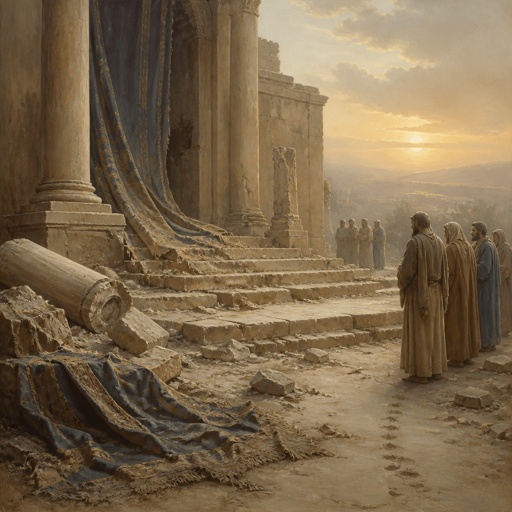
"The people of thy holiness have possessed it but a little while: our adversaries have trodden down thy sanctuary." - Isaiah 63:18