What does Isaiah 9:13 mean?
“For the people turneth not unto him that smiteth them, neither do they seek the LORD of hosts.” — Isaiah 9:13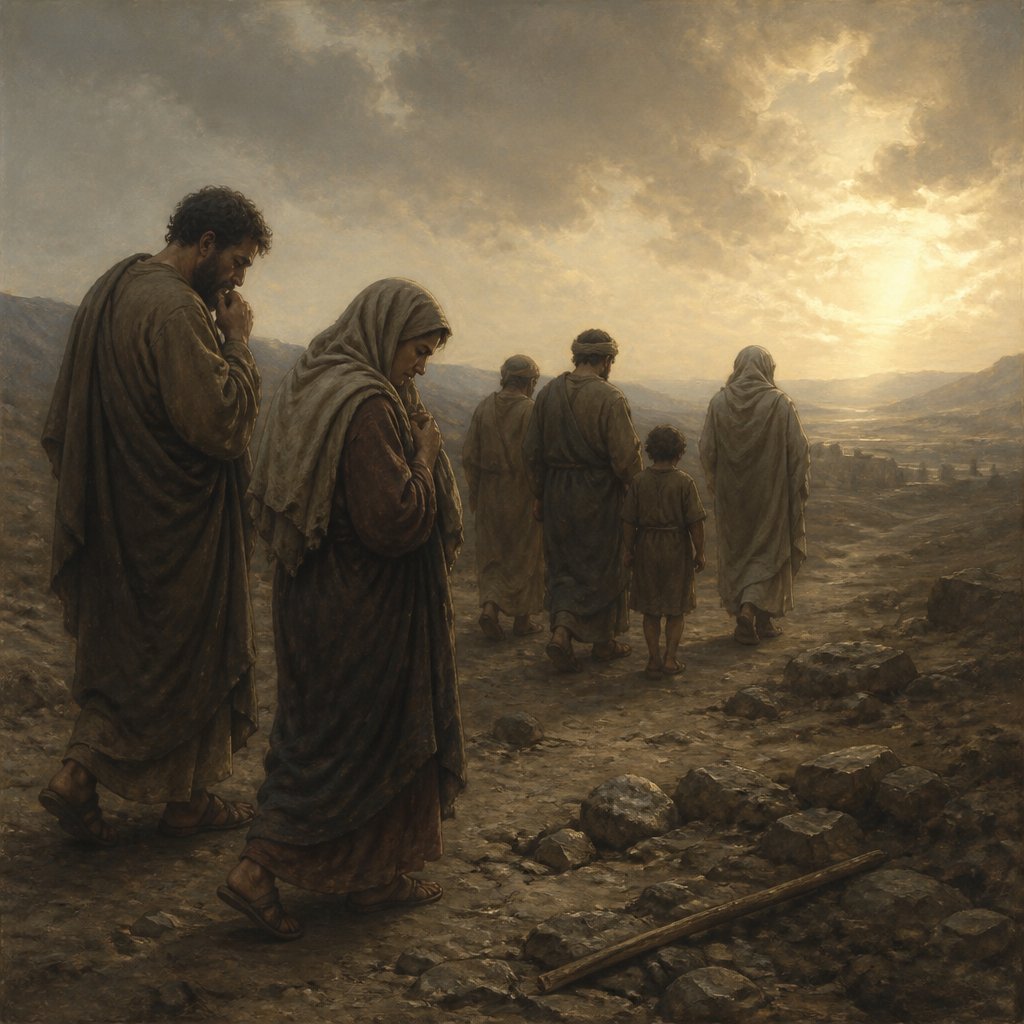
Isaiah 9:13 in the King James Version of the Bible states, "For the people turneth not unto him that smiteth them, neither do they seek the LORD of hosts."
This verse is a part of a prophecy by the prophet Isaiah, in which he warns the people of Israel of the consequences of their disobedience and lack of repentance. The preceding verses in Isaiah 9 describe the impending judgment on the people of Israel because of their unfaithfulness and idolatry. In verse 13, Isaiah is expressing his lament over the people's refusal to turn to God despite being disciplined by Him.
One of the central themes in this verse is the concept of divine discipline and the people's response to it. The imagery of being "smiteth" by God signifies the punishment or discipline that the people are experiencing. The word "smiteth" implies a forceful and impactful action, indicating the severity of the consequences that the people are facing due to their disobedience. Despite this discipline, the people are described as not turning or seeking the Lord, demonstrating a persistent unwillingness to repent and acknowledge their wrongdoing.
The verse also reveals the people's failure to recognize and seek the Lord of hosts, emphasizing their spiritual blindness and alienation from God. "The LORD of hosts" is a title used in the Bible to describe God's sovereignty and authority over all creation. By not seeking the Lord of hosts, the people are effectively rejecting His lordship and refusing to submit to His divine will.
The context of this verse is crucial to understanding its significance. At the time of Isaiah's prophecy, the northern kingdom of Israel was experiencing a period of moral and spiritual decline. The people had turned away from worshipping the true God and had instead turned to idolatry and other sinful practices. Isaiah's message serves as a call to repentance and a warning of the impending judgment that will befall the nation if they do not turn back to God.
In a broader theological context, this verse reflects the timeless truth of humanity's tendency to rebel against God and resist His discipline. The Bible consistently portrays God as a loving and just Father who disciplines His children for their own good (Hebrews 12:6). However, the response of the people in Isaiah's time mirrors the stubbornness and hardness of heart that characterizes the fallen nature of humanity.
The symbolism in this verse lies in the contrast between the people's refusal to turn to God and the merciful and steadfast nature of the Lord. The juxtaposition of "him that smiteth them" with "the LORD of hosts" highlights the people's misplaced focus and disregard for the true source of their discipline and guidance. The imagery conveys a sense of God's longing for His people to return to Him and find refuge and forgiveness in His presence.
In conclusion, Isaiah 9:13 from the King James Version of the Bible encapsulates a poignant message of divine discipline and the human response to it. It serves as a timeless reminder of the consequences of unrepentant disobedience and the merciful invitation of God to seek Him. The verse carries a profound theological and moral significance, urging readers to examine their own attitudes towards God's discipline and to respond with humility and repentance.
Get our apps


Artwork for Isaiah 9:13

Isaiah 9:13 - "¶ For the people turneth not unto him that smiteth them, neither do they seek the LORD of hosts."
"¶ For the people turneth not unto him that smiteth them, neither do they seek the LORD of hosts." - Isaiah 9:13

Isaiah 13:9 - "Behold, the day of the LORD cometh, cruel both with wrath and fierce anger, to lay the land desolate: and he shall destroy the sinners thereof out of it."

Isaiah 13:1 - "The burden of Babylon, which Isaiah the son of Amoz did see."

Isaiah 41:13

isaiah 6:13

Isaiah 9:6

Isaiah 9:6

Isaiah 9:6

Isaiah 9:6

Isaiah 50:7–9

Isaiah 11:1-9

Isaiah 11:1-9

Isaiah 9:1-4

Isaiah 11:1-9

Isaiah 9:9 - "And all the people shall know, even Ephraim and the inhabitant of Samaria, that say in the pride and stoutness of heart,"
"Behold, the day of the LORD cometh, cruel both with wrath and fierce anger, to lay the land desolate: and he shall destroy the sinners thereof out of it." - Isaiah 13:9

"The burden of Babylon, which Isaiah the son of Amoz did see." - Isaiah 13:1

Rev 9:13

Genesis 9:13

Isaiah 10:9 - "Is not Calno as Carchemish? is not Hamath as Arpad? is not Samaria as Damascus?"

Isaiah 3:13 - "The LORD standeth up to plead, and standeth to judge the people."

Isaiah 13:13 - "Therefore I will shake the heavens, and the earth shall remove out of her place, in the wrath of the LORD of hosts, and in the day of his fierce anger."

Isaiah 63:13 - "That led them through the deep, as an horse in the wilderness, that they should not stumble?"

Isaiah 16:13 - "This is the word that the LORD hath spoken concerning Moab since that time."

Isaiah 30:9 - "That this is a rebellious people, lying children, children that will not hear the law of the LORD:"

Isaiah 9:16 - "For the leaders of this people cause them to err; and they that are led of them are destroyed."

Isaiah 19:9 - "Moreover they that work in fine flax, and they that weave networks, shall be confounded."

Isaiah 9:8 - "¶ The Lord sent a word into Jacob, and it hath lighted upon Israel."

Luke 13:6-9