What does Isaiah 9:5 mean?
“For every battle of the warrior is with confused noise, and garments rolled in blood; but this shall be with burning and fuel of fire.” — Isaiah 9:5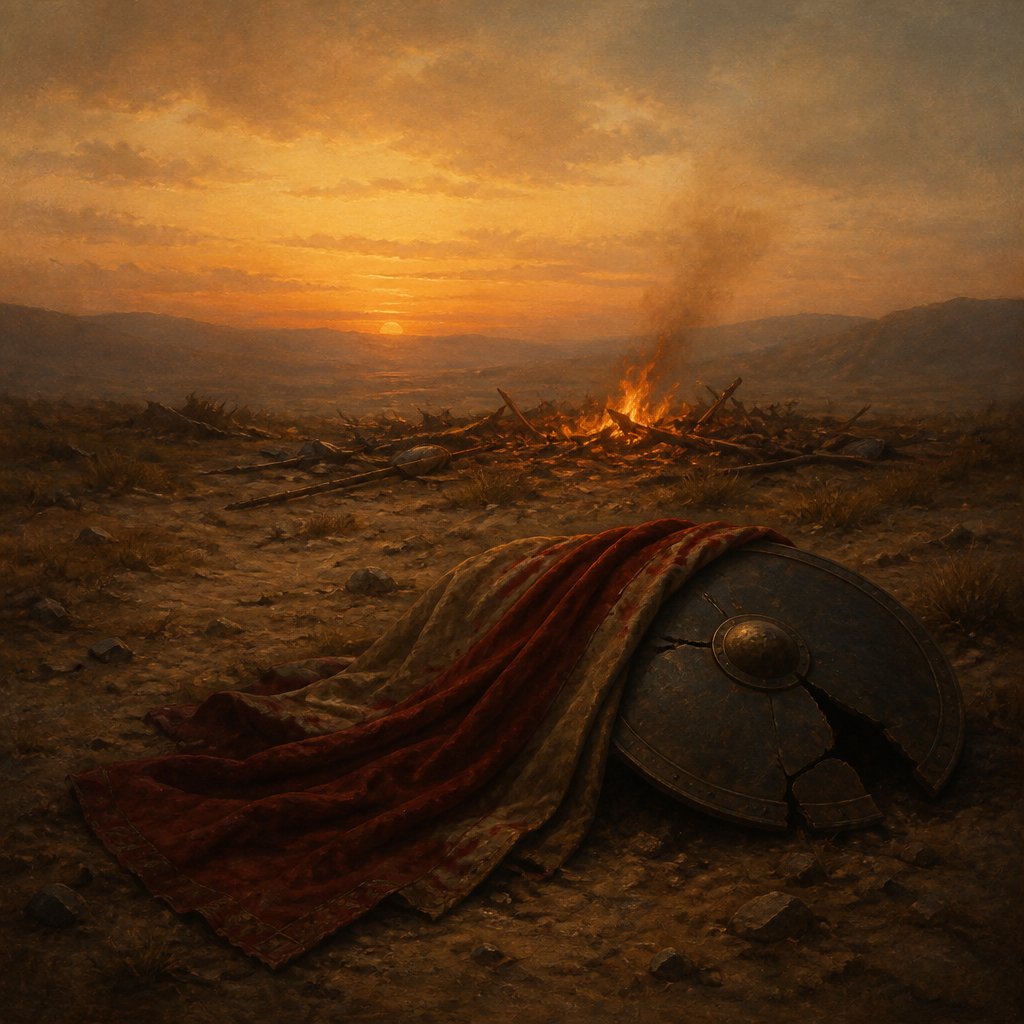
Isaiah 9:5 from the King James Version of the Bible reads, "For every battle of the warrior is with confused noise, and garments rolled in blood; but this shall be with burning and fuel of fire."
This verse from the book of Isaiah is part of a prophecy regarding the birth of a deliverer, a child who would bring hope and salvation to the people. The context of this verse is important to understand its full meaning. The preceding verses in Isaiah 9 speak of the darkness and distress that the people of Israel were experiencing. They were living in a time of great trouble, with the threat of war and destruction looming over them. However, in the midst of this despair, Isaiah prophesies about a future time when a great light will shine, bringing relief and liberation to the people.
The verse in question, Isaiah 9:5, describes the contrast between the typical battles fought by warriors, which are characterized by chaos, violence, and bloodshed, and the victory that the future deliverer will bring, which will be marked by burning and fire. This imagery symbolizes the complete and decisive nature of the deliverer's victory. It signifies a transformation from the usual methods of warfare to a new and ultimate form of triumph.
The themes present in this verse are hope, deliverance, and the ultimate victory over adversity. The people of Israel were living in a time of fear and uncertainty, and this prophecy offered them reassurance and faith in a promising future. It provided them with a vision of a time when their struggles would be overcome, and they would be set free from their troubles. The imagery of burning and fire symbolizes purification, renewal, and transformation. It suggests that the deliverance promised by the future child would be complete and all-encompassing, wiping away the old order and ushering in a new era of peace and prosperity.
The symbolism of burning and fire also holds great significance in the biblical context. Fire is often used in the Bible as a symbol of divine presence and intervention. It represents the purifying and refining work of God, as well as his judgment and power. In this verse, the burning and fire signify the divine nature of the deliverance that is promised. It suggests that this victory will be brought about by the hand of God and will be an act of divine intervention.
Furthermore, the contrast between the typical battles of warriors and the deliverer's victory highlights the difference between worldly strength and power, and the ultimate authority and sovereignty of God. It emphasizes that human efforts and warfare are ultimately futile in comparison to the supreme power and control of God. The verse calls attention to the idea that true deliverance and victory can only come from the divine realm, and that the help of human warriors is limited in comparison to the might of God.
In conclusion, Isaiah 9:5 offers a message of hope, faith, and deliverance to the people of Israel, and to all readers of the Bible. It symbolizes the promise of a future victory that will bring about a transformation and renewal, through the divine intervention of God. The imagery of burning and fire underscores the potency and decisiveness of the deliverance that is foretold, and it emphasizes the ultimate power and authority of God over the struggles and battles of the world. This verse stands as a testament to the enduring faith and trust in God's promises, and it continues to inspire and uplift believers to this day.
Get our apps


Artwork for Isaiah 9:5

Isaiah 9:5 - "For every battle of the warrior is with confused noise, and garments rolled in blood; but this shall be with burning and fuel of fire."
"For every battle of the warrior is with confused noise, and garments rolled in blood; but this shall be with burning and fuel of fire." - Isaiah 9:5

Isaiah 5:9 - "In mine ears said the LORD of hosts, Of a truth many houses shall be desolate, even great and fair, without inhabitant."

Isaiah 37:5 - "So the servants of king Hezekiah came to Isaiah."

Isaiah 39:5 - "Then said Isaiah to Hezekiah, Hear the word of the LORD of hosts:"

Isaiah 5:21

Isaiah 53:5

Isaiah 5:21

Isaiah 6:1-5

Isaiah 6:1-5

Isaiah 9:6

Isaiah 9:6

Isaiah 9:6

Isaiah 9:6

Isaiah 6:1-5

Isaiah 6:1-5

Isaiah 48:5

isaiah 5:14

Isaiah 48:5

Isaiah 48:5

Isaiah 6:5

Isaiah 6:5

Isaiah 48:5
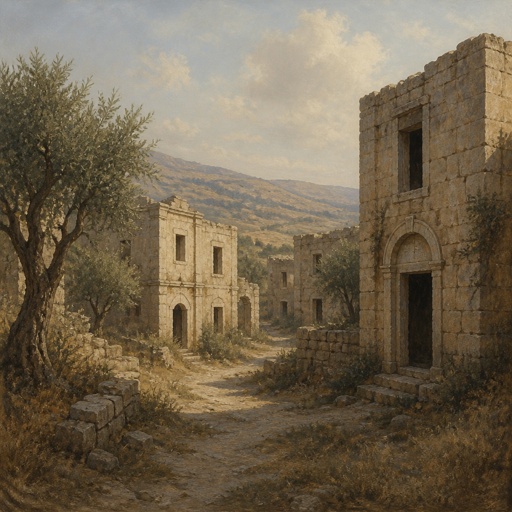
"In mine ears said the LORD of hosts, Of a truth many houses shall be desolate, even great and fair, without inhabitant." - Isaiah 5:9

Isaiah 50:7–9

Isaiah 11:1-9

Isaiah 11:1-9

Isaiah 9:1-4

Isaiah 11:1-9

Isaiah 9:9 - "And all the people shall know, even Ephraim and the inhabitant of Samaria, that say in the pride and stoutness of heart,"