What does James 1:12 mean?
“Blessed is the man that endureth temptation: for when he is tried, he shall receive the crown of life, which the Lord hath promised to them that love him.” — James 1:12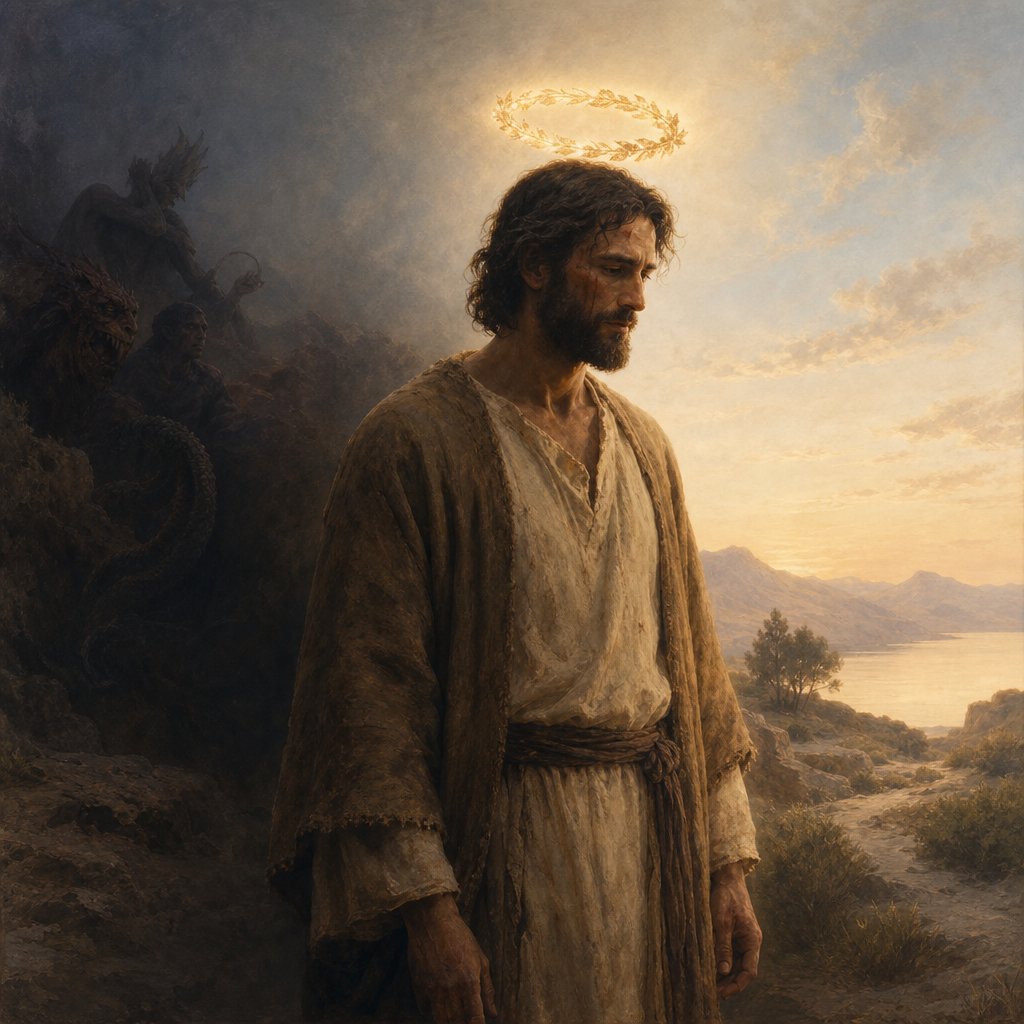
“Blessed is the man that endureth temptation: for when he is tried, he shall receive the crown of life, which the Lord hath promised to them that love him.” James 1:12 (KJV)
In James 1:12 the word “Blessed” sets the tone of the whole sentence: it pronounces a real condition of divine favor upon a certain kind of person, not merely a passing feeling of happiness. James is speaking like the wisdom writers of the Old Testament and like the Lord Jesus in the beatitudes, declaring that there is a spiritual prosperity granted by God to one who holds fast under pressure. The blessing is tied, not to ease, but to endurance; not to escaping hardship, but to remaining faithful while it lasts.
The phrase “endureth temptation” is central. In this chapter James has already been speaking about “divers temptations” and how “the trying of your faith worketh patience,” urging believers to “let patience have her perfect work” (James 1:2–4, KJV). So James 1:12 continues that same line of thought: temptations are the proving ground where faith is shown to be genuine. In the KJV, “temptation” can carry the sense of trial, testing, or proving, not only an enticement to sin. James will shortly distinguish these matters more explicitly when he says that God “tempteth no man” (James 1:13, KJV). That later statement guards the meaning here: the endurance James praises is not endurance in sin, but endurance under the pressure of testing—those hardships and inward conflicts where faith is strained and obedience is costly. The righteous person is not called blessed because temptation is pleasant, but because, by grace, he is kept steady and refuses to let the trial turn him away from God.
The clause “for when he is tried” gives the reason for the blessing: endurance is not aimless suffering; it is a process that yields an outcome. The language of being “tried” carries the sense of being proved, as metal is tested to show what it truly is. The trial reveals and refines. It exposes what is shallow, and it strengthens what is real. James is not romanticizing pain; he is describing a spiritual reality in which testing becomes the arena where steadfast love to God is demonstrated and matured.
“He shall receive the crown of life” introduces the promise that stands on the far side of endurance. The “crown” in Scripture often signifies honor, victory, and public recognition. Symbolically, it evokes the wreath given to a victor, but James immediately defines its substance: it is “of life.” This is not merely a reward added to life, but a crown consisting in life itself—true life from God, life that is the opposite of the death that sin produces. In the same chapter James contrasts the end of sinful desire—“sin, when it is finished, bringeth forth death” (James 1:15, KJV)—with God’s good giving and the new life he bestows. The “crown of life” therefore stands as the culmination of faithful endurance: not the mere relief of trouble, but the granting and consummation of life as God gives it, life in its fullness and permanence.
The promise is grounded in God’s character: it is “which the Lord hath promised.” The certainty of the crown does not rest on human toughness, but on divine faithfulness. James frames endurance as the path along which God’s pledged goodness is received. The trial does not contradict the promise; it becomes the setting in which the promise is clung to and, in the end, enjoyed. James wants believers to see that God’s purposes in testing are not to destroy them, but to bring them through, and that God’s promises are not suspended by hardship.
Finally, James identifies the heirs of this promise as “them that love him.” This closes the verse by turning the reader from mere external endurance to the heart’s allegiance. Endurance is not portrayed as stoic willpower, but as the fruit of love: love that values God above comfort, above reputation, above immediate relief, and therefore remains loyal when pressure invites compromise. The verse is significant because it binds together perseverance, proven faith, divine promise, and love to God as a single spiritual reality. In James’s view, the testing of life reveals what love is made of, and enduring under that testing is not only evidence of belonging to God, but the ordained way by which the believer is led to the “crown of life” the Lord has promised.
Get our apps


Artwork for James 1:12

James 1:12 - "Blessed is the man that endureth temptation: for when he is tried, he shall receive the crown of life, which the Lord hath promised to them that love him."

James 1:12 God blesses those who patiently endure testing and temptation. Afterward they will receive the crown of life that God has promised to those who love him.

Jakobus 1:12 Glückselig ist der Mann, der die Anfechtung erduldet; denn nachdem er sich bewährt hat, wird er die Krone des Lebens empfangen, welche der Herr denen verheißen hat, die ihn lieben.
"Blessed is the man that endureth temptation: for when he is tried, he shall receive the crown of life, which the Lord hath promised to them that love him." - James 1:12

James 1:2-13

James 1:2-4

James 1:2-13

James 1: 2-4

James 1:2 - "My brethren, count it all joy when ye fall into divers temptations;"

Acts 12:2 - "And he killed James the brother of John with the sword."

James 1:1 - "James, a servant of God and of the Lord Jesus Christ, to the twelve tribes which are scattered abroad, greeting."

"My brethren, count it all joy when ye fall into divers temptations;" - James 1:2

James

James 2:12 - "So speak ye, and so do, as they that shall be judged by the law of liberty."

James 4:12 - "There is one lawgiver, who is able to save and to destroy: who art thou that judgest another?"

James 1:2-3 - "Consider it pure joy, my brothers and sisters, whenever you face trials of many kinds, because you know that the testing of your faith produces perseverance."

James 1:17-22

James 1:22

James 1:17

James 1:19

James 1:17

James 1:17

James 1:22

James 1:9

James 1:17

James 1:10

james 1:27

James 1:22

James 1:17

Acts 1:13 - "And when they were come in, they went up into an upper room, where abode both Peter, and James, and John, and Andrew, Philip, and Thomas, Bartholomew, and Matthew, James the son of Alphaeus, and Simon Zelotes, and Judas the brother of James."