What does James 1:13 mean?
“Let no man say when he is tempted, I am tempted of God: for God cannot be tempted with evil, neither tempteth he any man:” — James 1:13
James 1:13 in the King James Version of the Bible states, "Let no man say when he is tempted, I am tempted of God: for God cannot be tempted with evil, neither tempteth he any man." This verse is a powerful reminder to believers that God is not the source of temptation and that we should not blame God when we are faced with temptations.
The book of James is often known for its practical wisdom and encouragement for living out the Christian faith. In the context of James 1:13, the passage is addressing the issue of temptation and the responsibility of the individual when faced with it.
The theme of temptation is a universal struggle that has been faced by humanity since the beginning of time. Temptation is the enticement to do something that goes against God's will. This can come in many forms, such as the temptation to sin, to doubt our faith, or to compromise our values. In this verse, James is addressing the source of temptation, which is not from God.
The verse starts with a command to believers: "Let no man say when he is tempted, I am tempted of God." This admonition instructs believers not to blame God when they are tempted. It is a common human tendency to shift blame to others, including God, when faced with temptations or trials. However, James is clear in emphasizing that God is not the author of temptation. This is a crucial point to remember, as blaming God for our own sinful nature or actions can lead to a misunderstanding of God's character and a weakening of our faith.
The verse then provides a reasoning for why God cannot be the source of temptation: "for God cannot be tempted with evil, neither tempteth he any man." The character of God is unchanging, and His holiness and righteousness mean that He cannot be tempted by evil. Therefore, it follows that He cannot tempt anyone to do evil. This truth serves as a foundational principle for understanding the nature of God and His relationship to temptation.
The implication of this verse is that temptations come from within ourselves or from external influences aligned with evil, such as the world and the devil. In understanding this, believers are called to take responsibility for their actions and choices when faced with temptation. It also underscores the need for reliance on God's strength and guidance to overcome trials and temptations.
The broader context of James 1 also touches on the idea of endurance and perseverance through trials. The preceding verses talk about the testing of faith and the development of endurance through difficult circumstances. This connects to the theme of temptation in James 1:13, as the ability to resist temptation and endure trials is closely related to the maturation of one's faith.
Symbolically, this verse serves as a reminder of the nature of God's holiness and goodness. It reaffirms the idea of God's sovereignty and moral purity, which are unshaken by the presence of evil. This understanding can provide believers with a sense of security and trust in God's character, even amidst the challenges posed by temptation.
In conclusion, James 1:13 is a powerful exhortation for believers to acknowledge the true source of temptation and to take responsibility for their responses to it. It urges a proper understanding of God's character and a reliance on His strength to resist temptation. This verse embodies a fundamental principle of the Christian faith and holds timeless relevance for believers navigating the complexities of temptation and trials.
Get our apps


Artwork for James 1:13

James 1:13 - "Let no man say when he is tempted, I am tempted of God: for God cannot be tempted with evil, neither tempteth he any man:"

James 1:13-15 - "When tempted, no one should say, “God is tempting me.” For God cannot be tempted by evil, nor does he tempt anyone; but each person is tempted when they are dragged away by their own evil desire and enticed. Then, after desire has conceived, it gives birth to sin; and sin, when it is full-grown, gives birth to death."

"Let no man say when he is tempted, I am tempted of God: for God cannot be tempted with evil, neither tempteth he any man:" - James 1:13

"When tempted, no one should say, “God is tempting me.” For God cannot be tempted by evil, nor does he tempt anyone; but each person is tempted when they are dragged away by their own evil desire and enticed. Then, after desire has conceived, it gives birth to sin; and sin, when it is full-grown, gives birth to death." - James 1:13-15

James 1:2-13

James 1:2-13

Acts 1:13 - "And when they were come in, they went up into an upper room, where abode both Peter, and James, and John, and Andrew, Philip, and Thomas, Bartholomew, and Matthew, James the son of Alphaeus, and Simon Zelotes, and Judas the brother of James."

James 1:3 - "Knowing this, that the trying of your faith worketh patience."

"Knowing this, that the trying of your faith worketh patience." - James 1:3

"Knowing this, that the trying of your faith worketh patience." - James 1:3

James 1:1 - "James, a servant of God and of the Lord Jesus Christ, to the twelve tribes which are scattered abroad, greeting."
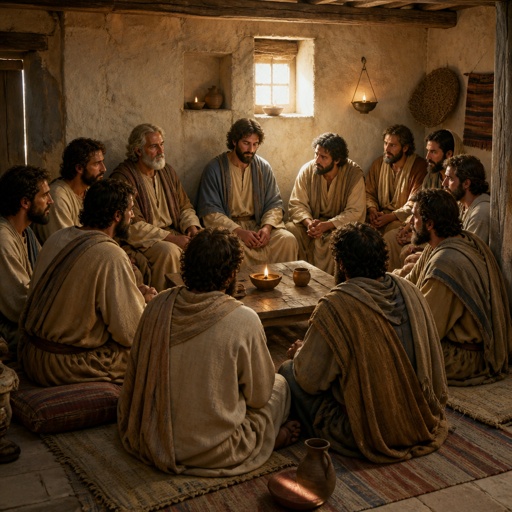
"And when they were come in, they went up into an upper room, where abode both Peter, and James, and John, and Andrew, Philip, and Thomas, Bartholomew, and Matthew, James the son of Alphaeus, and Simon Zelotes, and Judas the brother of James." - Acts 1:13

James

James 1:3-4 - "Because you know that the testing of your faith produces perseverance. Let perseverance finish its work so that you may be mature and complete, not lacking anything."

James 1: 2-4

James 1:2-4

Matthew 13:55 - "Is not this the carpenter's son? is not his mother called Mary? and his brethren, James, and Joses, and Simon, and Judas?"

Acts 15:13 - "¶ And after they had held their peace, James answered, saying, Men and brethren, hearken unto me:"

James 1:17-22
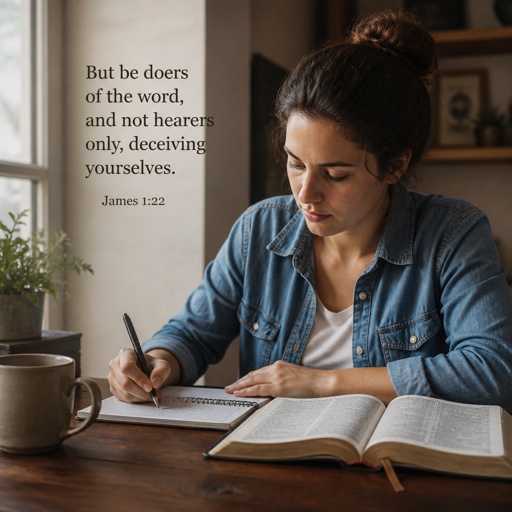
James 1:22

James 1:17

James 1:19

James 1:17

James 1:17

James 1:22

James 1:9

James 1:17

James 1:10

james 1:27

James 1:22