What does James 1:15 mean?
“Then when lust hath conceived, it bringeth forth sin: and sin, when it is finished, bringeth forth death.” — James 1:15
James 1:15 in the King James Version reads, "Then when lust hath conceived, it bringeth forth sin: and sin, when it is finished, bringeth forth death." This verse is a powerful reminder of the consequences of giving in to our desires and the destructive nature of sin.
The book of James is a letter written by James, the half-brother of Jesus, to Jewish Christians who were scattered throughout the Roman Empire. In this particular verse, James is addressing the issue of temptation and how it leads to sin. He uses the imagery of conception and birth to illustrate the process of sin and its ultimate result.
The verse begins with the phrase, "Then when lust hath conceived." This highlights the idea that sin begins with the seed of desire or lust. It is important to note that the word "lust" in this context does not just refer to sexual desire, but to any intense craving or longing for something that is contrary to God's will. This could include greed, pride, envy, or any other sinful desire that leads us away from God.
The imagery of conception is particularly apt, as it implies the nurturing and development of the sinful desire within a person's heart. Just as a fetus grows within the womb, so too does sin grow within a person's mind and heart, taking root and gaining strength as it is nurtured by the individual's thoughts and actions.
The verse then continues to say, "it bringeth forth sin." This is a crucial point, as it highlights the fact that sin is not just a fleeting thought or passing desire, but something that, if left unchecked, will ultimately lead to action. This action, which is birthed from the sinful desire, is what ultimately constitutes sin. James is emphasizing the progression from thought to action, from temptation to sin.
The verse concludes with the sobering truth that "sin, when it is finished, bringeth forth death." This is the ultimate consequence of giving in to temptation and sin. While physical death is certainly a part of this, it also speaks to the spiritual death that occurs when we are separated from God due to our sin. Sin not only brings destruction and chaos into our lives, but it also alienates us from the source of life itself, which is God.
In this verse, James is warning believers about the process of sin and the negative consequences that stem from it. It is a call to recognize and resist the destructive power of sinful desires and to instead strive for holiness and obedience to God. By using the powerful imagery of conception and birth, James effectively communicates the insidious nature of sin and the need for vigilance in resisting temptation.
One of the key themes in this verse is the battle against sin. As Christians, we are called to put to death the sinful desires of the flesh and to live in obedience to God. This verse serves as a reminder that sin is not to be taken lightly, and that it is something that must be actively resisted and fought against.
Another important theme is the consequences of sin. James makes it clear that sin leads to death, both physically and spiritually. This serves as a sobering warning to believers about the destructive nature of sin and the need to live lives that are pleasing to God.
Additionally, this verse speaks to the process of temptation and sin. It emphasizes the progression from desire to action, and the need to be vigilant in guarding our hearts and minds against sinful thoughts and desires.
Symbolically, the imagery of conception and birth in this verse serves to highlight the pervasive and consuming nature of sin. Just as a child grows and develops within the womb, so too can sinful desires grow and develop within the heart and mind. This serves as a powerful reminder of the need to constantly be on guard against the allure of sin.
In conclusion, James 1:15 is a powerful and poignant reminder of the destructive nature of sin and the need for believers to be vigilant in resisting temptation. It serves as a sobering warning about the consequences of giving in to sinful desires and the importance of living lives that are in accordance with God's will. As Christians, it is a call to recognize the insidious nature of sin and to actively resist its destructive power, striving instead for holiness and obedience to God.
Get our apps


Artwork for James 1:15

James 1:15 - "Then when lust hath conceived, it bringeth forth sin: and sin, when it is finished, bringeth forth death."

"Then when lust hath conceived, it bringeth forth sin: and sin, when it is finished, bringeth forth death." - James 1:15

James 1:5-20

1 Corinthians 15:7 - "After that, he was seen of James; then of all the apostles."
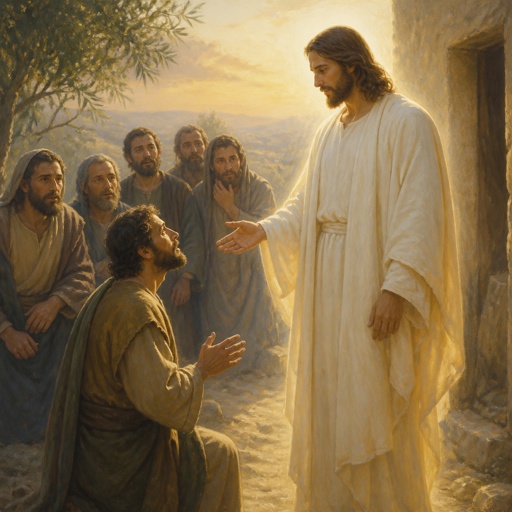
"After that, he was seen of James; then of all the apostles." - 1 Corinthians 15:7

James 5:14-15

James 2:15 - "If a brother or sister be naked, and destitute of daily food,"

James 3:15 - "This wisdom descendeth not from above, but is earthly, sensual, devilish."

James 1:1 - "James, a servant of God and of the Lord Jesus Christ, to the twelve tribes which are scattered abroad, greeting."

Luke 6:15 - "Matthew and Thomas, James the son of Alphaeus, and Simon called Zelotes,"

James 4:15 - "For that ye ought to say, If the Lord will, we shall live, and do this, or that."
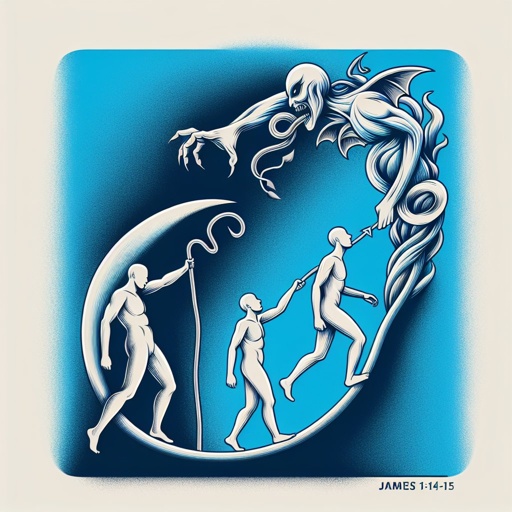
James 1:14-15 - "But each person is tempted when they are dragged away by their own evil desire and enticed. Then, after desire has conceived, it gives birth to sin; and sin, when it is full-grown, gives birth to death."

James 1:5 - "If any of you lack wisdom, let him ask of God, that giveth to all men liberally, and upbraideth not; and it shall be given him."

James

Acts 15:13 - "¶ And after they had held their peace, James answered, saying, Men and brethren, hearken unto me:"

James 1: 2-4

James 1:2-4

James 1:17-22
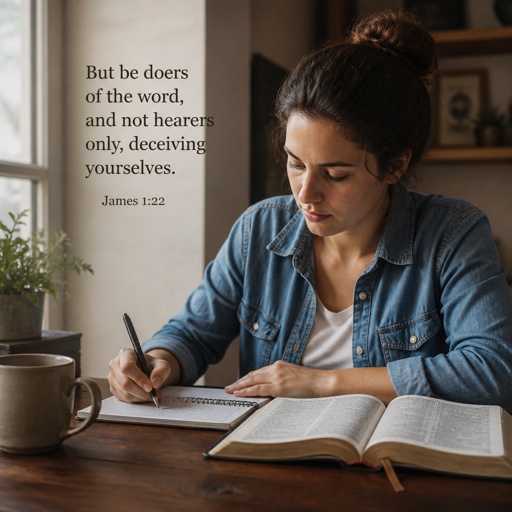
James 1:22

James 1:17

James 1:17

James 1:19

James 1:17

"If a brother or sister be naked, and destitute of daily food," - James 2:15

James 1:22

James 1:9

James 1:17

James 1:22

james 1:27

James 1:10