What does James 2:10 mean?
“For whosoever shall keep the whole law, and yet offend in one point, he is guilty of all.” — James 2:10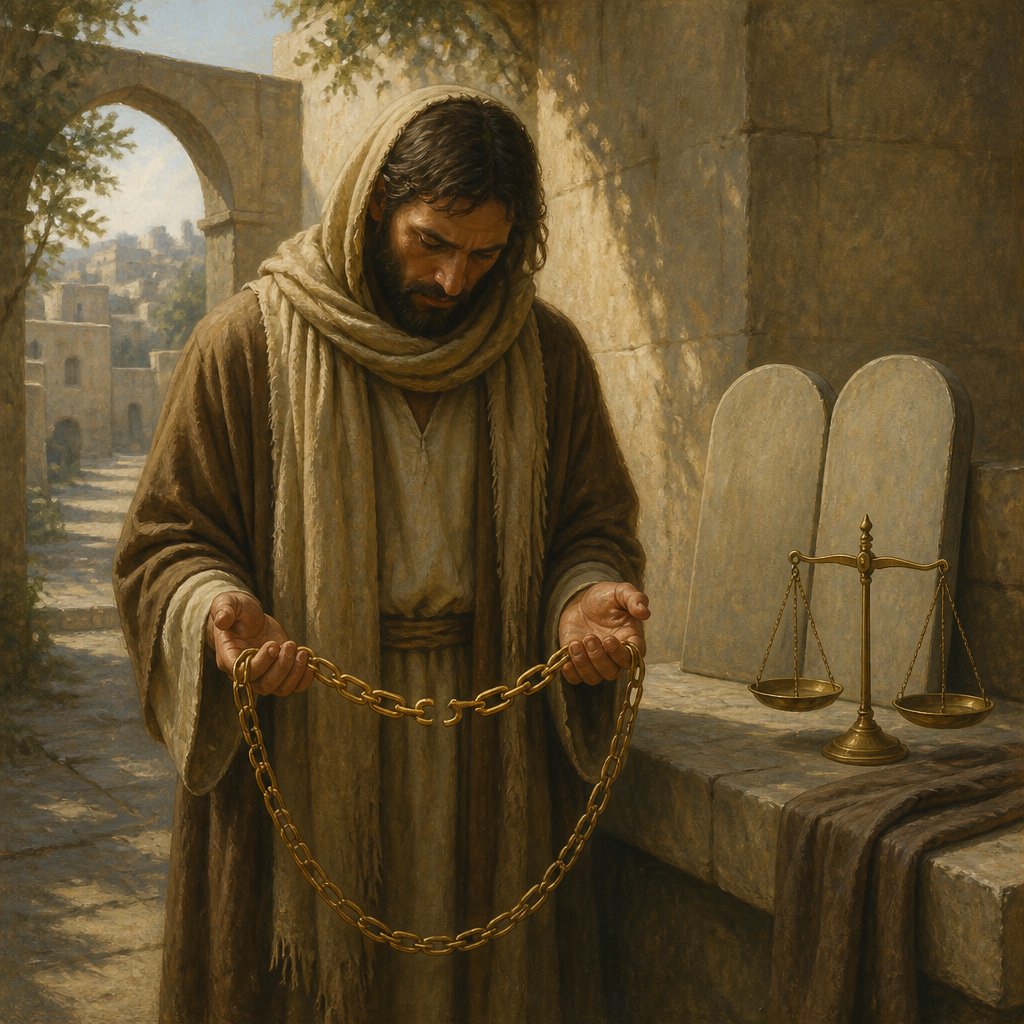
The Bible verse James 2:10 in the King James Version reads, "For whosoever shall keep the whole law, and yet offend in one point, he is guilty of all." This verse is found in the epistle of James, which is believed to have been written by James the Just, the brother of Jesus. The epistle focuses on the practical application of faith in the lives of believers and addresses issues such as favoritism, the relationship between faith and works, and the use of the tongue.
In this particular verse, James is highlighting the idea that breaking even one of God's laws makes a person guilty of breaking all of them. This verse emphasizes the severity of sin and the absolute holiness and perfection of God's law. No matter how faithful a person may strive to be in keeping the commandments, a single act of disobedience is enough to render all their efforts worthless in the eyes of God. This reflects the high standard of righteousness demanded by God and underscores the inability of humanity to achieve this standard on their own.
The context of this verse is important in understanding its meaning. James was writing to a primarily Jewish-Christian audience, many of whom may have been tempted to rely on the Mosaic Law for their salvation. However, James is clear in his assertion that no one can be justified by the law, as even one infraction of it leads to condemnation. Instead, he emphasizes the need for genuine faith, which produces good works as evidence of one's salvation. James is not advocating works-based salvation, but rather demonstrating the inseparable link between true faith and a transformed life.
This verse also speaks to the universal nature of sin and the equality of all humanity before God. Regardless of one's socio-economic status, ethnicity, or religious background, all are equally guilty before God because all have sinned and fallen short of His glory (Romans 3:23). The message of this verse is meant to humble the self-righteous and encourage all to recognize their need for a Savior.
Symbolically, this verse represents the inability of human effort to achieve righteousness. It serves as a reminder of the inherent sinfulness of humanity and the need for divine intervention. It foreshadows the coming of Christ, who fulfills the requirements of the law on behalf of humanity and offers the gift of salvation through His sacrificial death and resurrection.
The themes present in this verse include the severity of sin, the insufficiency of the law, the necessity of faith, and the universality of human guilt. It challenges readers to reflect on their own obedience to God's commands and to recognize their need for a Savior.
In conclusion, James 2:10 from the King James Version of the Bible is a powerful reminder of the inability of human effort to meet God's standard of righteousness. It emphasizes the universal guilt of humanity and the necessity of genuine faith as the only means of justification. It also points to the redemptive work of Christ, who, through His atoning sacrifice, makes it possible for believers to be declared righteous before God. This verse serves as a call to humility and a recognition of the need for divine grace in the lives of all who seek to follow Christ.
Get our apps


Artwork for James 2:10

James 2:10 - "For whosoever shall keep the whole law, and yet offend in one point, he is guilty of all."
"For whosoever shall keep the whole law, and yet offend in one point, he is guilty of all." - James 2:10

Matthew 10:2-4…Matthew 10:2-4 New International Version 2 These are the names of the twelve apostles: first, Simon (who is called Peter) and his brother Andrew; James son of Zebedee, and his brother John; 3 Philip and Bartholomew; Thomas and Matthew the tax collector; James son of Alphaeus, and Thaddaeus; 4 Simon the Zealot and Judas Iscariot, who betrayed him.

Matthew 10:2-4…Matthew 10:2-4 New International Version 2 These are the names of the twelve apostles: first, Simon (who is called Peter) and his brother Andrew; James son of Zebedee, and his brother John; 3 Philip and Bartholomew; Thomas and Matthew the tax collector; James son of Alphaeus, and Thaddaeus; 4 Simon the Zealot and Judas Iscariot, who betrayed him.

Matthew 10:2…Matthew 10:2 These are the names of the twelve apostles: first, Simon (who is called Peter) and his brother Andrew; James son of Zebedee, and his brother John

James 4:10

James 4:10

James 4:10

James 4:10

James 4:10

James 4:10

James 4:10

James 4:10

James 4:10

James 4:10

James 4:10

James 4:10

James 4:10

James 4:10

James 4:10

James 4:10

James 4:10

James 4:10

James 4:10

James 4:10

James 4:10

James 4:10

James 4:10

James 4:10

James 4:10