What does James 2:14 mean?
“What doth it profit, my brethren, though a man say he hath faith, and have not works? can faith save him?” — James 2:14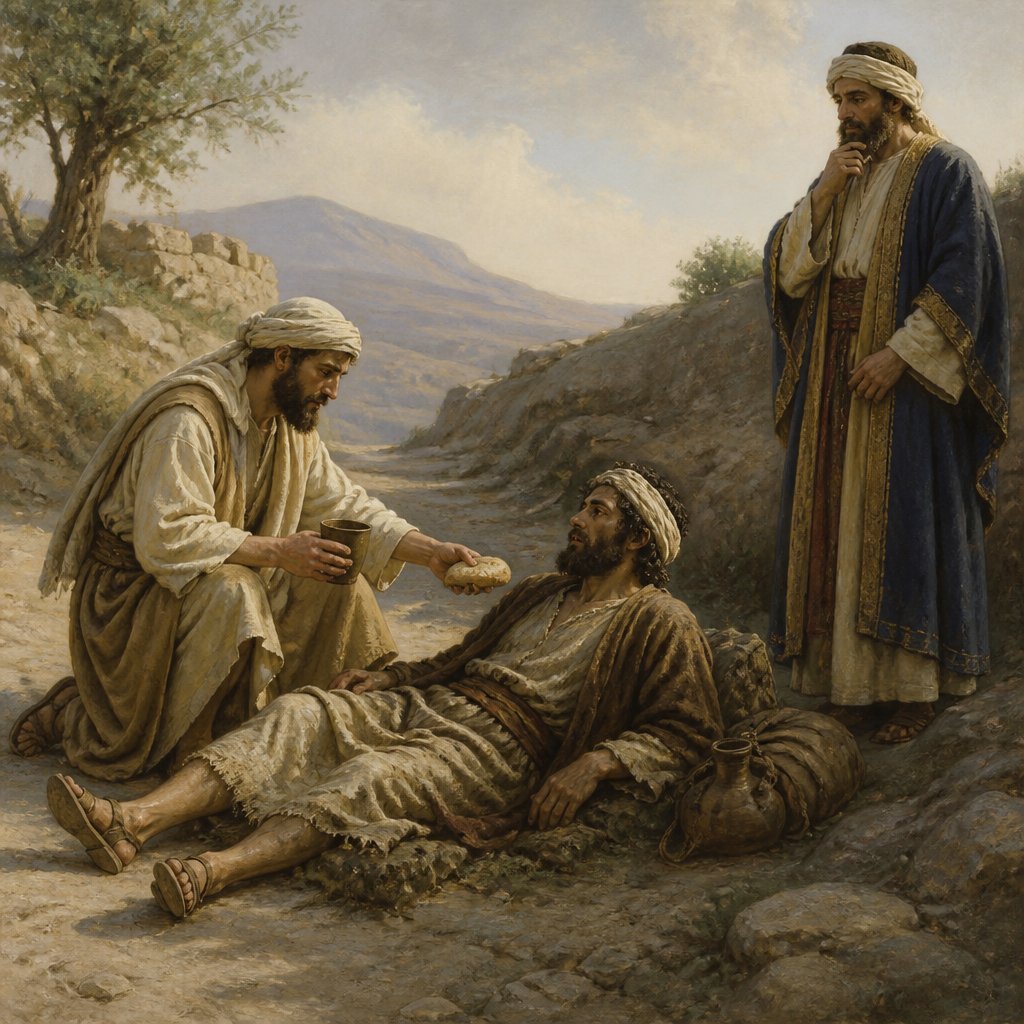
James 2:14 in the King James Version of the Bible states: "What doth it profit, my brethren, though a man say he hath faith, and have not works? can faith save him?"
This verse, found in the New Testament book of James, addresses the relationship between faith and works in the Christian life. It is a profound and thought-provoking passage that has sparked much discussion and debate among theologians and believers throughout the centuries.
The context of this verse is important for understanding its meaning. The book of James is often considered a practical guide for Christian living, as it addresses various aspects of faith and how it should manifest in our actions. In the preceding verses, James talks about the importance of showing no favoritism and treating others with kindness and mercy. He then goes on to discuss the necessity of combining faith with works, and it is within this context that we find James 2:14.
The verse begins with a rhetorical question posed to the readers: "What doth it profit, my brethren, though a man say he hath faith, and have not works?" This question sets the stage for the central theme of the passage, which is the interconnectedness of faith and works in the Christian life. James is asserting that mere profession of faith, without corresponding actions, is futile and ultimately lacks value. He is challenging the readers to consider the authenticity of their faith and the evidence of its presence in their lives.
The use of the word "profit" in this verse is significant, as it emphasizes the idea of worth and value. It is a reminder that true faith should produce tangible, beneficial results in the lives of believers and in the world around them. James is cautioning against a superficial understanding of faith that is divorced from action and impact.
The verse also raises the question, "can faith save him?" This question is not meant to suggest that salvation is earned through works, as the Bible teaches that salvation is a gift of God's grace (Ephesians 2:8-9). Rather, James is challenging the notion that a faith that does not produce works is genuinely saving. True faith, according to James, is transformative and results in a life of obedience and good deeds.
The theme of faith and works is a recurring theme in the book of James, and it is deeply rooted in the teachings of Jesus himself. In the Gospels, Jesus emphasized the importance of both faith and action, often commending those who demonstrated their faith through their deeds. His teachings align with the message of James 2:14, as he consistently emphasized the necessity of living out one's faith in practical ways.
The symbolism in this verse lies in the contrast between faith and works. While faith is often an inward and intangible reality, works are outward and visible expressions of that faith. James is highlighting the inseparable link between the two, emphasizing that true faith will naturally lead to righteous actions. The absence of works indicates a lack of genuine faith, and therefore, a lack of true salvation.
In conclusion, James 2:14 serves as a powerful reminder to believers that genuine faith should result in a life of good works. It challenges us to examine the authenticity of our faith and to ensure that it is reflected in our actions. This verse encourages us to live out our faith in tangible ways, demonstrating God's love and mercy to the world around us. It calls us to be doers of the word, and not just hearers only (James 1:22), and to let our faith be evident through our works.
Get our apps


Artwork for James 2:14

James 2:14 - "What doth it profit, my brethren, though a man say he hath faith, and have not works? can faith save him?"
"What doth it profit, my brethren, though a man say he hath faith, and have not works? can faith save him?" - James 2:14

James 2:14-17 - "What good is it, my brothers and sisters, if someone claims to have faith but has no deeds? Can such faith save them? Suppose a brother or a sister is without clothes and daily food. If one of you says to them, 'Go in peace; keep warm and well fed,' but does nothing about their physical needs, what good is it? In the same way, faith by itself, if it is not accompanied by action, is dead."
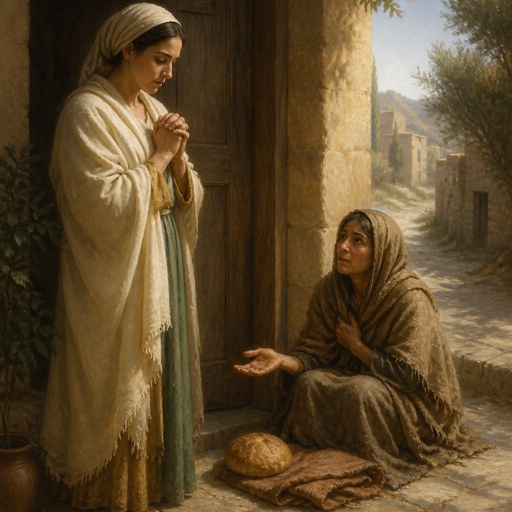
"What good is it, my brothers and sisters, if someone claims to have faith but has no deeds? Can such faith save them? Suppose a brother or a sister is without clothes and daily food. If one of you says to them, 'Go in peace; keep warm and well fed,' but does nothing about their physical needs, what good is it? In the same way, faith by itself, if it is not accompanied by action, is dead." - James 2:14-17

James 5:14-15

James 2:2-4

james 2:26

Mark 14:33 - "And he taketh with him Peter and James and John, and began to be sore amazed, and to be very heavy;"

James 3:14 - "But if ye have bitter envying and strife in your hearts, glory not, and lie not against the truth."

James 1:14 - "But every man is tempted, when he is drawn away of his own lust, and enticed."

Luke 6:14 - "Simon, (whom he also named Peter,) and Andrew his brother, James and John, Philip and Bartholomew,"

James 1:2-13

James 1: 2-4

James 1:2-13

James 1:2-4

James 5:2 - "Your riches are corrupted, and your garments are motheaten."

Acts 12:2 - "And he killed James the brother of John with the sword."

James 4:14 - "Whereas ye know not what shall be on the morrow. For what is your life? It is even a vapour, that appeareth for a little time, and then vanisheth away."

James 2:15 - "If a brother or sister be naked, and destitute of daily food,"

James 2:4 - "Are ye not then partial in yourselves, and are become judges of evil thoughts?"

James 2:7 - "Do not they blaspheme that worthy name by the which ye are called?"

James 2:17 - "Even so faith, if it hath not works, is dead, being alone."

James 2:24 - "Ye see then how that by works a man is justified, and not by faith only."

James 5:14 - "Is any sick among you? let him call for the elders of the church; and let them pray over him, anointing him with oil in the name of the Lord:"

James 2:12 - "So speak ye, and so do, as they that shall be judged by the law of liberty."

James 2:2 - "For if there come unto your assembly a man with a gold ring, in goodly apparel, and there come in also a poor man in vile raiment;"

"Whereas ye know not what shall be on the morrow. For what is your life? It is even a vapour, that appeareth for a little time, and then vanisheth away." - James 4:14

James 2:26 - "For as the body without the spirit is dead, so faith without works is dead also."

James 1:2 - "My brethren, count it all joy when ye fall into divers temptations;"

James 2:9 - "But if ye have respect to persons, ye commit sin, and are convinced of the law as transgressors."