What does James 2:2 mean?
“For if there come unto your assembly a man with a gold ring, in goodly apparel, and there come in also a poor man in vile raiment;” — James 2:2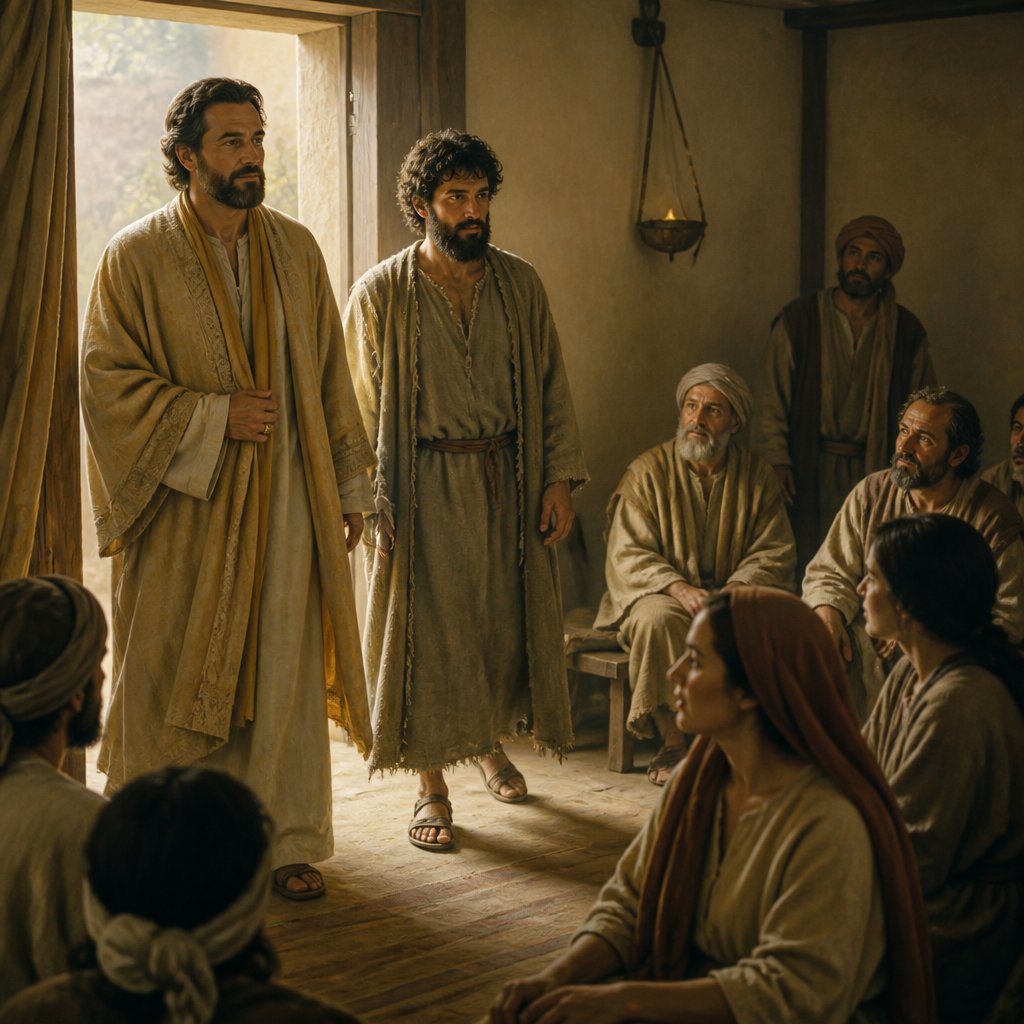
James 2:2 in the King James Version (KJV) of the Bible reads, "For if there come unto your assembly a man with a gold ring, in goodly apparel, and there come in also a poor man in vile raiment." This verse is part of a longer passage that addresses the issue of favoritism or discrimination within the Christian community. In this commentary, we will explore the context, themes, and symbolism of James 2:2 and its implications for a modern-day audience.
The book of James is traditionally attributed to James, the brother of Jesus, and is considered one of the general epistles in the New Testament. The primary themes of the book include faith, works, humility, and showing mercy. James 2 in particular addresses the issue of partiality and the importance of treating others with equality and fairness.
In James 2:2, the focus is on how a wealthy man and a poor man are treated when they enter the assembly or gathering of believers. The man with the gold ring and fine clothes represents someone of high social status or wealth, while the poor man in shabby clothing symbolizes someone of low economic standing. The contrast between these two individuals highlights the issue of favoritism and how people are often judged based on their outward appearances or social standing rather than their intrinsic value as human beings.
The theme of social justice is central to this verse, as it challenges the reader to examine their prejudices and biases towards others. It prompts us to consider whether we treat people differently based on their economic status, appearance, or social standing. In doing so, it calls for a radical reevaluation of our attitudes and behaviors towards others, especially those who are marginalized or disadvantaged in society.
The broader context of this passage reinforces the idea that faith should be demonstrated through action, especially in terms of how we treat others. James 2:14-26 further elaborates on this by stating that faith without works is dead, and that true faith is evidenced by good deeds and treating others with love and compassion. Therefore, the issue of favoritism is not just a matter of social equality, but also a reflection of one's true commitment to living out their faith.
The symbolism in James 2:2 serves to underscore the contrast between worldly values and the principles of the Kingdom of God. The focus on external signs of wealth and status (the gold ring and goodly apparel) contrasts sharply with the emphasis on inner character and the intrinsic worth of every individual. This juxtaposition challenges the reader to consider where their priorities lie and whether they align with the values of the gospel.
From a modern perspective, James 2:2 remains highly relevant in a world where discrimination and inequality persist. The verse speaks to issues of classism, materialism, and the need for social justice. It challenges us to confront our own biases and prejudices, and to strive for a community where all are treated with dignity and respect, regardless of their social or economic standing.
In summary, James 2:2 addresses the issue of favoritism and the importance of treating others with equality and fairness. It emphasizes the need to transcend worldly standards of status and appearance, and to demonstrate genuine faith through how we treat others. The verse carries powerful implications for social justice and the values of the Kingdom of God, challenging us to examine our attitudes and behaviors towards others in light of our faith.
Get our apps


Artwork for James 2:2

James 2:2-4

James 2:2 - "For if there come unto your assembly a man with a gold ring, in goodly apparel, and there come in also a poor man in vile raiment;"
"For if there come unto your assembly a man with a gold ring, in goodly apparel, and there come in also a poor man in vile raiment;" - James 2:2

james 2:26

James 1:2-13

James 1:2-4

James 1:2-13

James 1: 2-4

James 5:2 - "Your riches are corrupted, and your garments are motheaten."

Acts 12:2 - "And he killed James the brother of John with the sword."

James 2:15 - "If a brother or sister be naked, and destitute of daily food,"

James 2:4 - "Are ye not then partial in yourselves, and are become judges of evil thoughts?"

James 2:7 - "Do not they blaspheme that worthy name by the which ye are called?"

James 2:17 - "Even so faith, if it hath not works, is dead, being alone."

James 2:24 - "Ye see then how that by works a man is justified, and not by faith only."

James 2:12 - "So speak ye, and so do, as they that shall be judged by the law of liberty."

James 2:26 - "For as the body without the spirit is dead, so faith without works is dead also."

James 1:2 - "My brethren, count it all joy when ye fall into divers temptations;"

James 2:20 - "But wilt thou know, O vain man, that faith without works is dead?"

James 2:9 - "But if ye have respect to persons, ye commit sin, and are convinced of the law as transgressors."

Matthew 10:2-4…Matthew 10:2-4 New International Version 2 These are the names of the twelve apostles: first, Simon (who is called Peter) and his brother Andrew; James son of Zebedee, and his brother John; 3 Philip and Bartholomew; Thomas and Matthew the tax collector; James son of Alphaeus, and Thaddaeus; 4 Simon the Zealot and Judas Iscariot, who betrayed him.

Matthew 10:2-4…Matthew 10:2-4 New International Version 2 These are the names of the twelve apostles: first, Simon (who is called Peter) and his brother Andrew; James son of Zebedee, and his brother John; 3 Philip and Bartholomew; Thomas and Matthew the tax collector; James son of Alphaeus, and Thaddaeus; 4 Simon the Zealot and Judas Iscariot, who betrayed him.

James 2:22 - "Seest thou how faith wrought with his works, and by works was faith made perfect?"

James 2:19 - "Thou believest that there is one God; thou doest well: the devils also believe, and tremble."

James 2:10 - "For whosoever shall keep the whole law, and yet offend in one point, he is guilty of all."

James 2:1 - "My brethren, have not the faith of our Lord Jesus Christ, the Lord of glory, with respect of persons."

James 2:13 - "For he shall have judgment without mercy, that hath shewed no mercy; and mercy rejoiceth against judgment."

James 2:6 - "But ye have despised the poor. Do not rich men oppress you, and draw you before the judgment seats?"

James 2:21 - "Was not Abraham our father justified by works, when he had offered Isaac his son upon the altar?"

"If a brother or sister be naked, and destitute of daily food," - James 2:15