What does James 2:21 mean?
“Was not Abraham our father justified by works, when he had offered Isaac his son upon the altar?” — James 2:21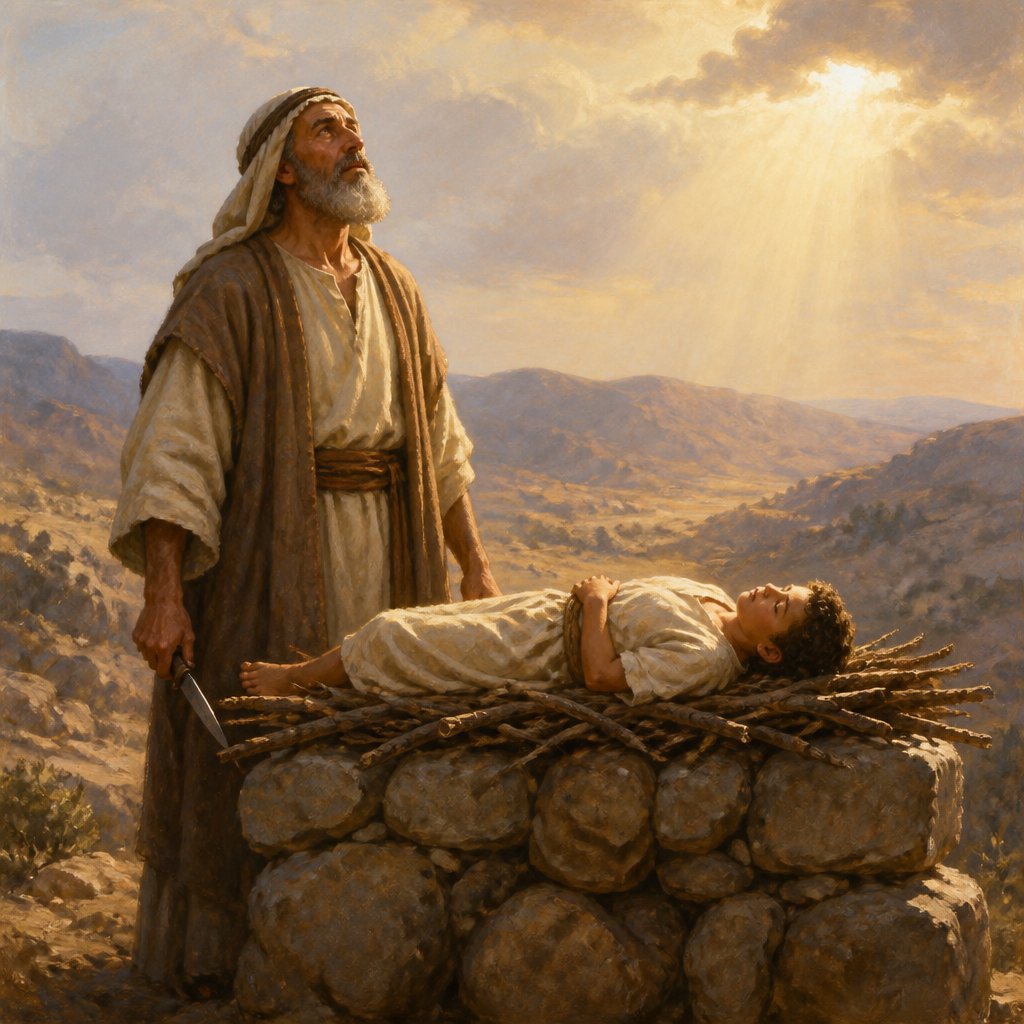
James 2:21, from the King James Version of the Bible, reads: "Was not Abraham our father justified by works, when he had offered Isaac his son upon the altar?"
This verse comes from the book of James, which is a practical and straightforward guide to Christian living. It is written by James, who was the brother of Jesus and a leader in the early Christian church. In this verse, James is discussing the relationship between faith and works, and he uses the example of Abraham to illustrate his point.
The story of Abraham offering Isaac on the altar is found in the book of Genesis. God had promised Abraham that he would be the father of many nations and that his descendants would be as numerous as the stars in the sky. However, Abraham and his wife Sarah were both very old and had not been able to have children. Despite this, they trusted in God’s promise and eventually Isaac was born to them. Then, when Isaac was a young man, God tested Abraham’s faith by asking him to sacrifice his son. Abraham obediently set out to do so, but at the last moment, God provided a ram to sacrifice instead. This act of faith is what James is referring to in this verse.
The key theme in this verse is the relationship between faith and works. James is making the point that true faith should be evident through the deeds and actions of the believer. In the case of Abraham, his faith was made complete by his willingness to offer his beloved son as a sacrifice. This action demonstrated his unwavering trust in God, and it was this trust that justified him.
The context of this verse is important to understand. During the time that the book of James was written, there was a debate within the early Christian church about the nature of salvation. Some believed that faith alone was enough for salvation, while others argued that good works were also necessary. James addresses this debate by stressing the importance of both faith and works. He argues that faith without works is dead, and that true faith will always produce good deeds.
The symbolism in this verse is rich and meaningful. Isaac can be seen as a foreshadowing of Christ, as just as Isaac was offered as a sacrifice by his father, so too was Jesus offered as a sacrifice by his Father. Abraham’s willingness to offer Isaac can be seen as a display of the type of faith and obedience that God desires from His followers. Abraham’s actions also serve as a model for believers, demonstrating the type of faith that produces good works.
In conclusion, James 2:21 is a powerful reminder of the inseparable connection between faith and works. Abraham’s willingness to offer Isaac on the altar demonstrates the kind of faith that is pleasing to God, a faith that is demonstrated through action. This verse challenges believers to examine their own lives and to ensure that their faith is not simply a matter of words, but is a living and active force that produces good works. Ultimately, the story of Abraham and Isaac serves as a powerful testament to the importance of genuine faith and obedience in the Christian life.
Get our apps


Artwork for James 2:21

James 2:21 - "Was not Abraham our father justified by works, when he had offered Isaac his son upon the altar?"
"Was not Abraham our father justified by works, when he had offered Isaac his son upon the altar?" - James 2:21

James 2:1 - "My brethren, have not the faith of our Lord Jesus Christ, the Lord of glory, with respect of persons."
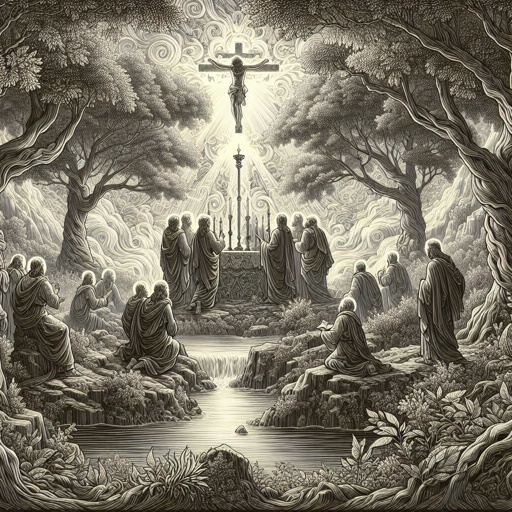
James 21:5-120

Acts 21:18 - "And the day following Paul went in with us unto James; and all the elders were present."

James 2:2-4
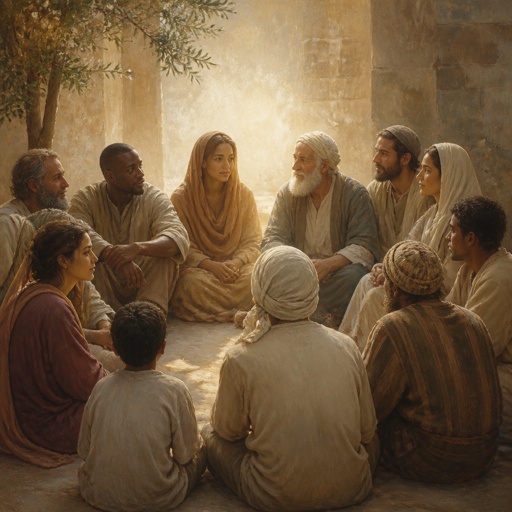
"My brethren, have not the faith of our Lord Jesus Christ, the Lord of glory, with respect of persons." - James 2:1

james 2:26

Mark 2:21 (KJVA) 21 No man also seweth a piece of new cloth on an old garment: else the new piece that filled it up taketh away from the old, and the rent is made worse.

James 1:2-13

James 1: 2-4

James 1:2-13

James 1:2-4

James 1:21 - "Wherefore lay apart all filthiness and superfluity of naughtiness, and receive with meekness the engrafted word, which is able to save your souls."

Acts 21:18 On the following day Paul went in with us to James, and all the elders were present.

James 5:2 - "Your riches are corrupted, and your garments are motheaten."

Acts 12:2 - "And he killed James the brother of John with the sword."

James 2:15 - "If a brother or sister be naked, and destitute of daily food,"

James 2:4 - "Are ye not then partial in yourselves, and are become judges of evil thoughts?"

James 2:7 - "Do not they blaspheme that worthy name by the which ye are called?"

James 2:17 - "Even so faith, if it hath not works, is dead, being alone."

James 2:24 - "Ye see then how that by works a man is justified, and not by faith only."

Matthew 4:21 - "And going on from thence, he saw other two brethren, James the son of Zebedee, and John his brother, in a ship with Zebedee their father, mending their nets; and he called them."

James 2:12 - "So speak ye, and so do, as they that shall be judged by the law of liberty."

James 2:2 - "For if there come unto your assembly a man with a gold ring, in goodly apparel, and there come in also a poor man in vile raiment;"

James 2:26 - "For as the body without the spirit is dead, so faith without works is dead also."

James 1:2 - "My brethren, count it all joy when ye fall into divers temptations;"

James 2:9 - "But if ye have respect to persons, ye commit sin, and are convinced of the law as transgressors."

James 2:20 - "But wilt thou know, O vain man, that faith without works is dead?"
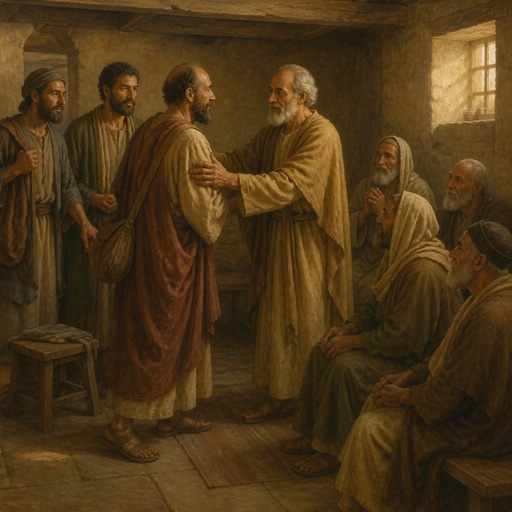
"And the day following Paul went in with us unto James; and all the elders were present." - Acts 21:18