What does James 2:26 mean?
“For as the body without the spirit is dead, so faith without works is dead also.” — James 2:26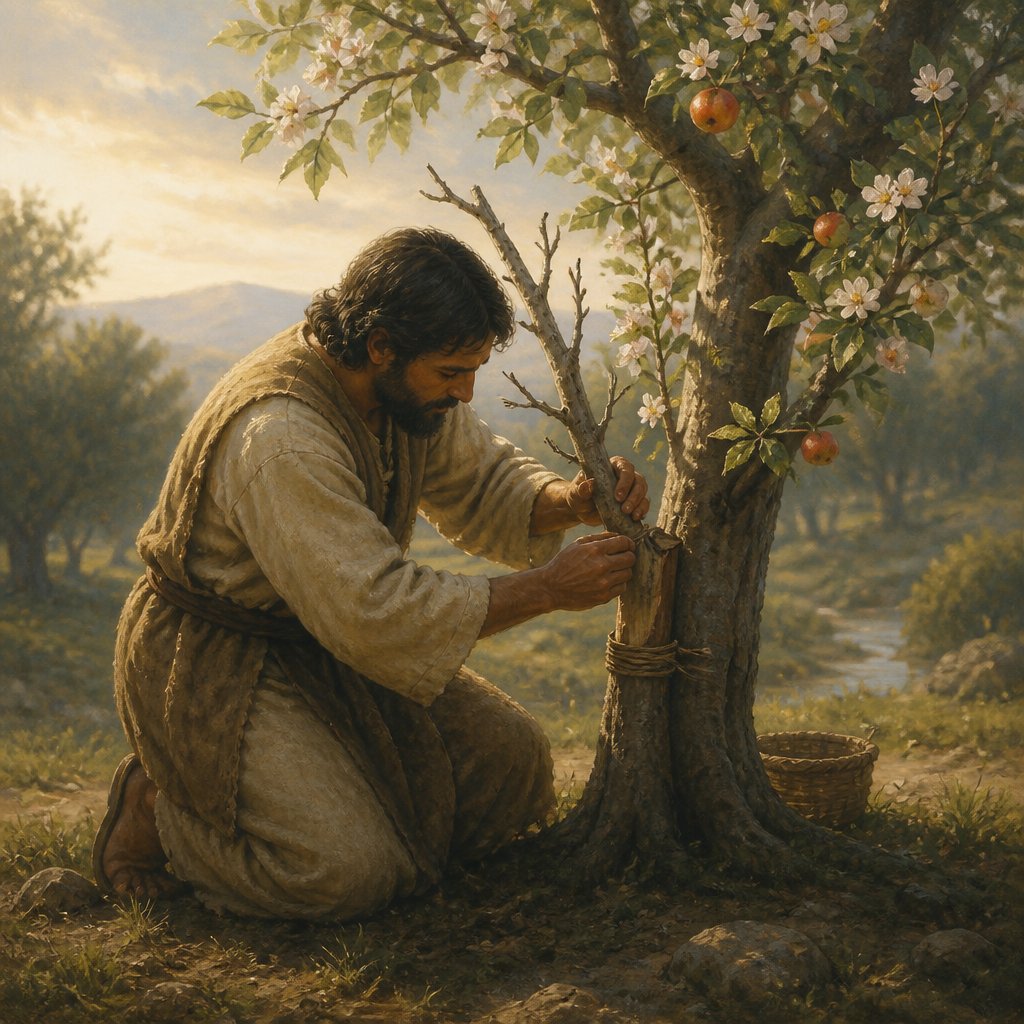
James 2:26 (KJV) states, "For as the body without the spirit is dead, so faith without works is dead also." This verse encapsulates a fundamental principle in the Christian faith, emphasizing the inseparable relationship between faith and action. In this commentary, we will explore the meaning and significance of this verse within its broader context in the Book of James, as well as its relevance to Christian living and theology.
The Book of James, written by the half-brother of Jesus, addresses important practical and ethical issues for the early Christian community. Throughout the book, James emphasizes the importance of applying one's faith through deeds and actions. In the preceding verses (James 2:14-25), James discusses the concept of faith and works, drawing a parallel between faith that lacks action and the lifeless state of a body without a spirit. This analogy serves to illustrate the concept that genuine faith is evidenced by deeds and that empty faith, devoid of tangible expressions, is essentially dead.
The verse begins with the comparison of the body without the spirit being dead, which is a universally accepted truth. When the spirit leaves the body, it becomes lifeless. This analogy is then applied to faith, suggesting that just as a body without the spirit is dead, so too is faith without works. Thus, the verse serves as a dual admonition to believers. First, it underscores the necessity of genuine faith, which is alive and active, and second, it highlights the indispensable connection between faith and action.
One of the central themes in James 2:26 is the integration of faith and works. The verse challenges the notion that faith alone is sufficient for salvation, highlighting the necessity of tangible expressions of faith through righteous conduct and good works. This aligns with the broader biblical teaching that salvation is by grace through faith, and that good works are the natural outflow of genuine faith (Ephesians 2:8-10). James' emphasis on the practical demonstration of faith through actions reflects the holistic nature of the Christian life, where belief in God is not divorced from ethical living and righteous deeds.
The contextual backdrop of James 2:26 also reflects the socio-religious dynamics of the early Christian community. During the first century, there was a prevalent debate surrounding the relationship between faith and works, particularly in light of the Jewish legalistic mindset. The Pharisaic emphasis on adherence to the Mosaic Law and the observance of rituals posed a challenge to the emerging Christian understanding of grace and faith. James confronts this challenge by asserting that genuine faith is inherently accompanied by good works, effectively debunking the notion of faith devoid of action.
Symbolically, the juxtaposition of the body and the spirit in James 2:26 embodies the interplay between the inward disposition of faith and its outward manifestation through deeds. The body, representing the physical realm, corresponds to faith as an internal reality, while the spirit symbolizes the animating force that gives life. By drawing this parallel, James elucidates that genuine faith, like the spirit animating the body, is intrinsically linked to outward expressions of righteous living and good deeds.
In conclusion, James 2:26 is a profound declaration of the inseparability of faith and works in the Christian life. The verse underscores the centrality of genuine, living faith, which is authenticated by its tangible expression through righteous actions. It challenges believers to embody a faith that is active, vibrant, and transformative, thereby affirming the principle that faith without works is devoid of life. As Christians, we are called to uphold the holistic integration of our faith and actions, recognizing that genuine faith naturally yields good works and impacts every aspect of our lives.
Get our apps


Artwork for James 2:26

james 2:26

James 2:26 - "For as the body without the spirit is dead, so faith without works is dead also."
"For as the body without the spirit is dead, so faith without works is dead also." - James 2:26

James 2:6 - "But ye have despised the poor. Do not rich men oppress you, and draw you before the judgment seats?"

James 1:26-27 - "James 1:26-27: If anyone considers himself religious and yet does not keep a tight rein on his tongue, he deceives himself and his religion is worthless. Religion that God our Father accepts as pure and faultless is this: to look after orphans and widows in their distress and to keep oneself from being polluted by the world."
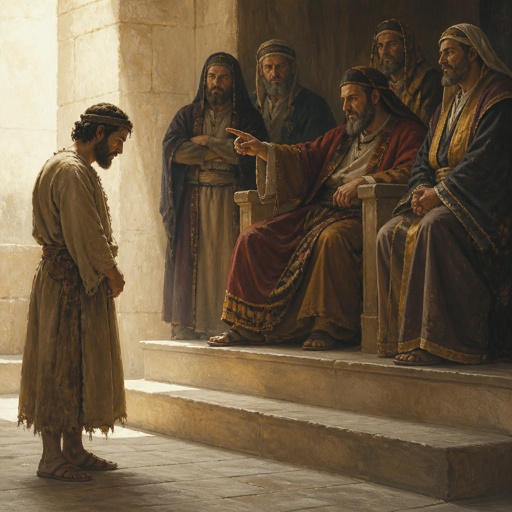
"But ye have despised the poor. Do not rich men oppress you, and draw you before the judgment seats?" - James 2:6

James 2:2-4

James 1:26 - "If any man among you seem to be religious, and bridleth not his tongue, but deceiveth his own heart, this man's religion is vain."

James 1:2-13

James 1: 2-4

James 1:2-13

James 1:2-4

James 5:2 - "Your riches are corrupted, and your garments are motheaten."

Acts 12:2 - "And he killed James the brother of John with the sword."

James 2:15 - "If a brother or sister be naked, and destitute of daily food,"

James 2:4 - "Are ye not then partial in yourselves, and are become judges of evil thoughts?"

James 2:7 - "Do not they blaspheme that worthy name by the which ye are called?"

James 2:17 - "Even so faith, if it hath not works, is dead, being alone."

James 2:24 - "Ye see then how that by works a man is justified, and not by faith only."

James 2:12 - "So speak ye, and so do, as they that shall be judged by the law of liberty."

James 2:2 - "For if there come unto your assembly a man with a gold ring, in goodly apparel, and there come in also a poor man in vile raiment;"

James 1:2 - "My brethren, count it all joy when ye fall into divers temptations;"

James 2:9 - "But if ye have respect to persons, ye commit sin, and are convinced of the law as transgressors."

James 2:20 - "But wilt thou know, O vain man, that faith without works is dead?"

James 2:22 - "Seest thou how faith wrought with his works, and by works was faith made perfect?"

James 2:19 - "Thou believest that there is one God; thou doest well: the devils also believe, and tremble."

James 2:10 - "For whosoever shall keep the whole law, and yet offend in one point, he is guilty of all."

James 2:1 - "My brethren, have not the faith of our Lord Jesus Christ, the Lord of glory, with respect of persons."

James 2:13 - "For he shall have judgment without mercy, that hath shewed no mercy; and mercy rejoiceth against judgment."

Matthew 10:2-4…Matthew 10:2-4 New International Version 2 These are the names of the twelve apostles: first, Simon (who is called Peter) and his brother Andrew; James son of Zebedee, and his brother John; 3 Philip and Bartholomew; Thomas and Matthew the tax collector; James son of Alphaeus, and Thaddaeus; 4 Simon the Zealot and Judas Iscariot, who betrayed him.