What does James 2:25 mean?
“Likewise also was not Rahab the harlot justified by works, when she had received the messengers, and had sent them out another way?” — James 2:25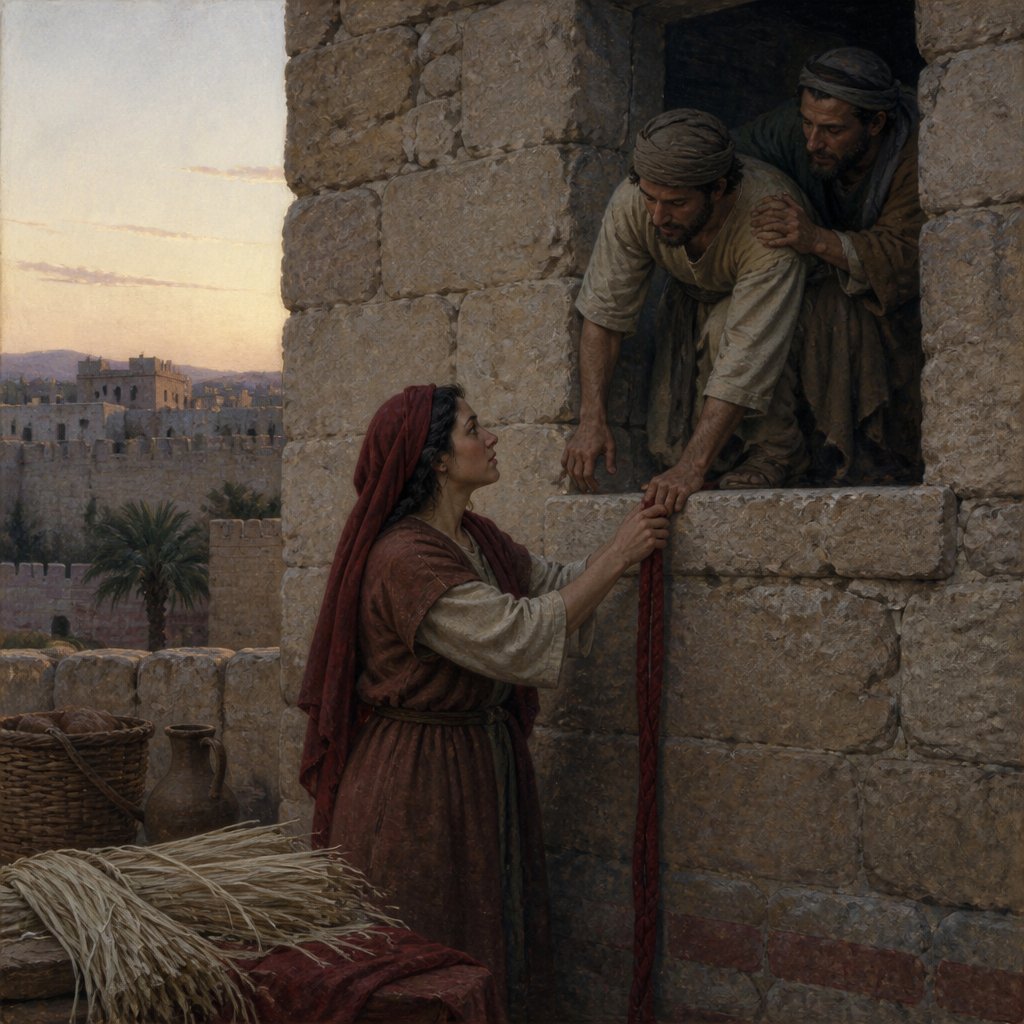
James 2:25 (KJV) states, "Likewise also was not Rahab the harlot justified by works, when she had received the messengers, and had sent them out another way?"
This verse is a part of the New Testament in the book of James, which is attributed to James the Just, the brother of Jesus. In this section of his letter, James is discussing the importance of demonstrating one's faith through actions. He uses the example of Rahab, a woman from the Old Testament, to illustrate this point.
Rahab is a significant figure in the Old Testament, particularly in the book of Joshua. She is described as a prostitute who lived in the city of Jericho. When the Israelites were preparing to conquer Jericho, Joshua sent two spies to scout out the city. Rahab welcomed the spies into her home and hid them from the king of Jericho's men. In doing so, Rahab displayed both her faith in the God of Israel and her willingness to take a risk to protect the spies. Because of her actions, the spies were able to return to Joshua with valuable information, and Rahab and her family were spared when Jericho was ultimately conquered.
The verse in James 2:25 emphasizes Rahab's justification by her works. In other words, Rahab's faith in God was not merely a belief she held in her heart, but it was demonstrated through her actions. By receiving the messengers and helping them escape, Rahab displayed her faith in action. This is a key point that James is making in his letter – true faith results in tangible actions that reflect that faith.
One important theme that emerges from this verse is the idea of faith and works. James is stressing the importance of a faith that is alive and active, rather than merely a mental acknowledgment of beliefs. This aligns with the broader biblical teaching that faith should be evidenced by actions. Rahab's story serves as a powerful example of this principle, as her faith led her to brave actions that ultimately secured her place in the lineage of Jesus Christ (Matthew 1:5).
Another theme in this verse is the idea of unexpected faithfulness and redemption. Rahab's occupation as a prostitute might lead some to overlook her significance in the biblical narrative. However, her actions and her inclusion in the lineage of Jesus demonstrates that God's grace and mercy are available to all, regardless of their background or past mistakes. Rahab's story serves as a reminder that God often works through unexpected people and circumstances to fulfill His purposes.
Furthermore, the context of this verse within the book of James is important to consider. James is writing to a community of Jewish believers who are facing various trials and challenges. He is encouraging them to live out their faith in practical ways, and the example of Rahab serves to illustrate this point. Like Rahab, the recipients of James's letter are called to demonstrate their faith through their actions, even in difficult or dangerous circumstances.
There is also symbolism in this verse, particularly in Rahab's role as a Gentile woman included in the lineage of Jesus. Rahab's story foreshadows God's plan to include all people, regardless of their background or nationality, in His redemptive work through Jesus Christ. Additionally, Rahab's home becomes a symbol of refuge and salvation for the spies, prefiguring the role of the Church as a place of safety and shelter for believers.
In conclusion, James 2:25 provides a powerful example of the relationship between faith and works, as demonstrated through the story of Rahab. The verse emphasizes the importance of active, visible faith and highlights God's gracious inclusion of unexpected individuals in His redemptive plan. The themes of faith, works, redemption, and inclusion are all evident in this short but significant verse, which continues to challenge and inspire readers today.
Get our apps


Artwork for James 2:25

James 2:25 - "Likewise also was not Rahab the harlot justified by works, when she had received the messengers, and had sent them out another way?"
"Likewise also was not Rahab the harlot justified by works, when she had received the messengers, and had sent them out another way?" - James 2:25

James 2:5 - "Hearken, my beloved brethren, Hath not God chosen the poor of this world rich in faith, and heirs of the kingdom which he hath promised to them that love him?"

James 2:2-4

james 2:26

James 1:25 - "But whoso looketh into the perfect law of liberty, and continueth therein, he being not a forgetful hearer, but a doer of the work, this man shall be blessed in his deed."

James 1:2-13

James 1: 2-4

James 1:2-13

James 1:2-4

James 5:2 - "Your riches are corrupted, and your garments are motheaten."

Acts 12:2 - "And he killed James the brother of John with the sword."

James 2:15 - "If a brother or sister be naked, and destitute of daily food,"

James 2:4 - "Are ye not then partial in yourselves, and are become judges of evil thoughts?"

James 2:7 - "Do not they blaspheme that worthy name by the which ye are called?"

James 2:17 - "Even so faith, if it hath not works, is dead, being alone."

James 2:24 - "Ye see then how that by works a man is justified, and not by faith only."

James 2:12 - "So speak ye, and so do, as they that shall be judged by the law of liberty."

James 2:2 - "For if there come unto your assembly a man with a gold ring, in goodly apparel, and there come in also a poor man in vile raiment;"

James 2:26 - "For as the body without the spirit is dead, so faith without works is dead also."

James 1:2 - "My brethren, count it all joy when ye fall into divers temptations;"

James 2:20 - "But wilt thou know, O vain man, that faith without works is dead?"

James 2:9 - "But if ye have respect to persons, ye commit sin, and are convinced of the law as transgressors."
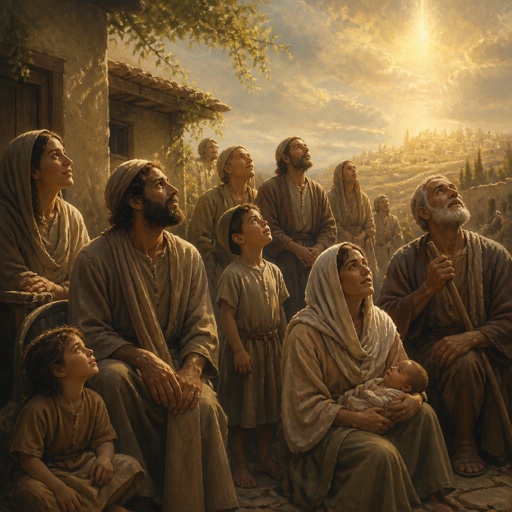
"Hearken, my beloved brethren, Hath not God chosen the poor of this world rich in faith, and heirs of the kingdom which he hath promised to them that love him?" - James 2:5

James 2:22 - "Seest thou how faith wrought with his works, and by works was faith made perfect?"

James 2:19 - "Thou believest that there is one God; thou doest well: the devils also believe, and tremble."

James 2:10 - "For whosoever shall keep the whole law, and yet offend in one point, he is guilty of all."

James 2:1 - "My brethren, have not the faith of our Lord Jesus Christ, the Lord of glory, with respect of persons."

James 2:13 - "For he shall have judgment without mercy, that hath shewed no mercy; and mercy rejoiceth against judgment."

Matthew 10:2-4…Matthew 10:2-4 New International Version 2 These are the names of the twelve apostles: first, Simon (who is called Peter) and his brother Andrew; James son of Zebedee, and his brother John; 3 Philip and Bartholomew; Thomas and Matthew the tax collector; James son of Alphaeus, and Thaddaeus; 4 Simon the Zealot and Judas Iscariot, who betrayed him.