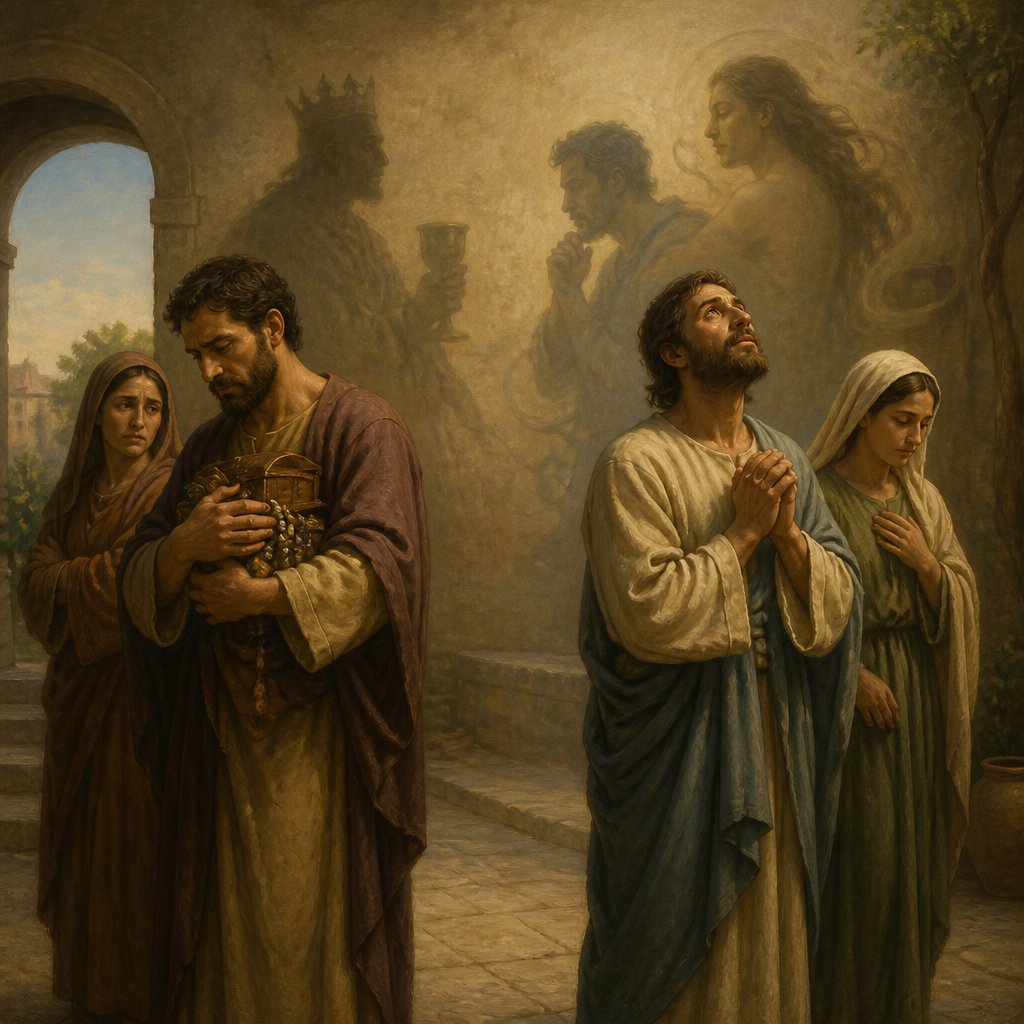
The Bible verse James 4:1-3 from the King James Version (KJV) states:
"From whence come wars and fightings among you? come they not hence, even of your lusts that war in your members? Ye lust, and have not: ye kill, and desire to have, and cannot obtain: ye fight and war, yet ye have not, because ye ask not. Ye ask, and receive not, because ye ask amiss, that ye may consume it upon your lusts."
This passage from the book of James addresses the issue of conflict and division within the Christian community. It delves into the roots of such conflicts, the motivations behind them, and the consequences of selfishness and misguided desires.
The passage begins with a rhetorical question, "From whence come wars and fightings among you?" This question serves as a prompt for self-reflection, inviting the reader to consider the source of conflict and strife within their own lives and communities. The author then provides the answer, stating that such conflicts arise from the "lusts that war in your members." Here, "lusts" refer to selfish desires and cravings that lead to discord and disharmony. The passage suggests that it is these internal, self-centered desires that give rise to outward conflicts and disputes.
The second verse further elaborates on the consequences of unchecked desires. It highlights the destructive nature of selfishness, stating that individuals may "lust, and have not: ye kill, and desire to have, and cannot obtain." This paints a vivid picture of the lengths to which people may go in pursuit of their own selfish goals, even resorting to violence and aggression. The verse presents a sobering indictment of the ways in which selfish desires can lead to destructive behavior and a lack of fulfillment.
The passage goes on to convey the futility of these actions, noting that despite the conflicts and struggles, individuals still "have not, because ye ask not." In other words, the author suggests that instead of resorting to violence or aggressive actions to fulfill their desires, individuals should turn to prayer and seek guidance and fulfillment from a higher source. The verse underscores the importance of seeking divine help and intervention rather than relying on one's own flawed and self-serving methods.
The passage concludes by highlighting the issue of misguided prayers and intentions. It states, "Ye ask, and receive not, because ye ask amiss, that ye may consume it upon your lusts." This highlights the importance of examining one's motives and intentions when seeking divine intervention. The verse cautions against asking for things solely for personal gratification and urges individuals to align their prayers with selfless and righteous intentions.
The overall theme of this passage is the destructive nature of selfish desires and the importance of seeking fulfillment through selflessness and prayer. It serves as a powerful reminder of the potential consequences of unchecked desires and selfish actions, and the need for turning to God for guidance and fulfillment.
In the broader context of the book of James, this passage is part of a larger discourse on the nature of true wisdom and the characteristics of a genuine faith. Throughout the book, James emphasizes the importance of living out one's faith through righteous actions and humble submission to God. The passage in question serves as a poignant reminder of the dangers of allowing selfish desires to dictate one's actions and the need for humility and selflessness in seeking fulfillment.
Symbolically, this passage can be seen as a representation of the ongoing internal struggle between the desires of the flesh and the call to live a righteous and selfless life. It serves as a cautionary tale, urging individuals to examine their own motivations and align their actions with a higher, more noble purpose. Ultimately, the passage underscores the transformative power of genuine faith and the need to seek fulfillment through selfless and prayerful living.
Get our apps


Artwork for James 4:1-3

James 4:1-3 KJVA (1) From whence come wars and fightings among you? come they not hence, even of your lusts that war in your members? (2) Ye lust, and have not: ye kill, and desire to have, and cannot obtain: ye fight and war, yet ye have not, because ye ask not. (3) Ye ask, and receive not, because ye ask amiss, that ye may consume it upon your lusts.

James 4:1-3 - "What causes fights and quarrels among you? Don’t they come from your desires that battle within you? You desire but do not have, so you kill. You covet but you cannot get what you want, so you quarrel and fight. You do not have because you do not ask God. When you ask, you do not receive, because you ask with wrong motives, that you may spend what you get on your pleasures."
"What causes fights and quarrels among you? Don’t they come from your desires that battle within you? You desire but do not have, so you kill. You covet but you cannot get what you want, so you quarrel and fight. You do not have because you do not ask God. When you ask, you do not receive, because you ask with wrong motives, that you may spend what you get on your pleasures." - James 4:1-3

James 1:2-4

James 1: 2-4

James 1:3-4 - "Because you know that the testing of your faith produces perseverance. Let perseverance finish its work so that you may be mature and complete, not lacking anything."

James 2:2-4

Ezekiel 4:1-3

James 1:3 - "Knowing this, that the trying of your faith worketh patience."

Daniel 4:1-3

James 4:3 - "Ye ask, and receive not, because ye ask amiss, that ye may consume it upon your lusts."

James 4:3 KJVA (3) Ye ask, and receive not, because ye ask amiss, that ye may consume it upon your lusts.

James 3:1 - "My brethren, be not many masters, knowing that we shall receive the greater condemnation."

James 4:3 KJVA (3) Ye ask, and receive not, because ye ask amiss, that ye may consume it upon your lusts.

James 1:4 - "But let patience have her perfect work, that ye may be perfect and entire, wanting nothing."

James 4:4
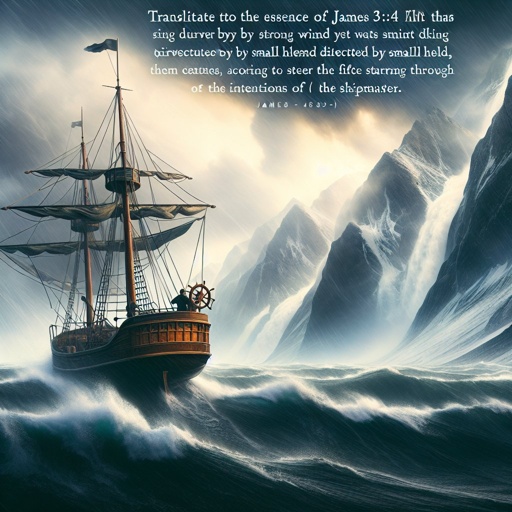
James 3:4 - "Behold also the ships, which though they be so great, and are driven of fierce winds, yet are they turned about with a very small helm, whithersoever the governor listeth."

Matthew 10:2-4…Matthew 10:2-4 New International Version 2 These are the names of the twelve apostles: first, Simon (who is called Peter) and his brother Andrew; James son of Zebedee, and his brother John; 3 Philip and Bartholomew; Thomas and Matthew the tax collector; James son of Alphaeus, and Thaddaeus; 4 Simon the Zealot and Judas Iscariot, who betrayed him.

Matthew 10:2-4…Matthew 10:2-4 New International Version 2 These are the names of the twelve apostles: first, Simon (who is called Peter) and his brother Andrew; James son of Zebedee, and his brother John; 3 Philip and Bartholomew; Thomas and Matthew the tax collector; James son of Alphaeus, and Thaddaeus; 4 Simon the Zealot and Judas Iscariot, who betrayed him.

"Knowing this, that the trying of your faith worketh patience." - James 1:3

"Knowing this, that the trying of your faith worketh patience." - James 1:3

James 4:10

James 4:10

James 4:10

James 4:10

James 4:7

James 4:7

James 4:10

James 4:10

James 4:10