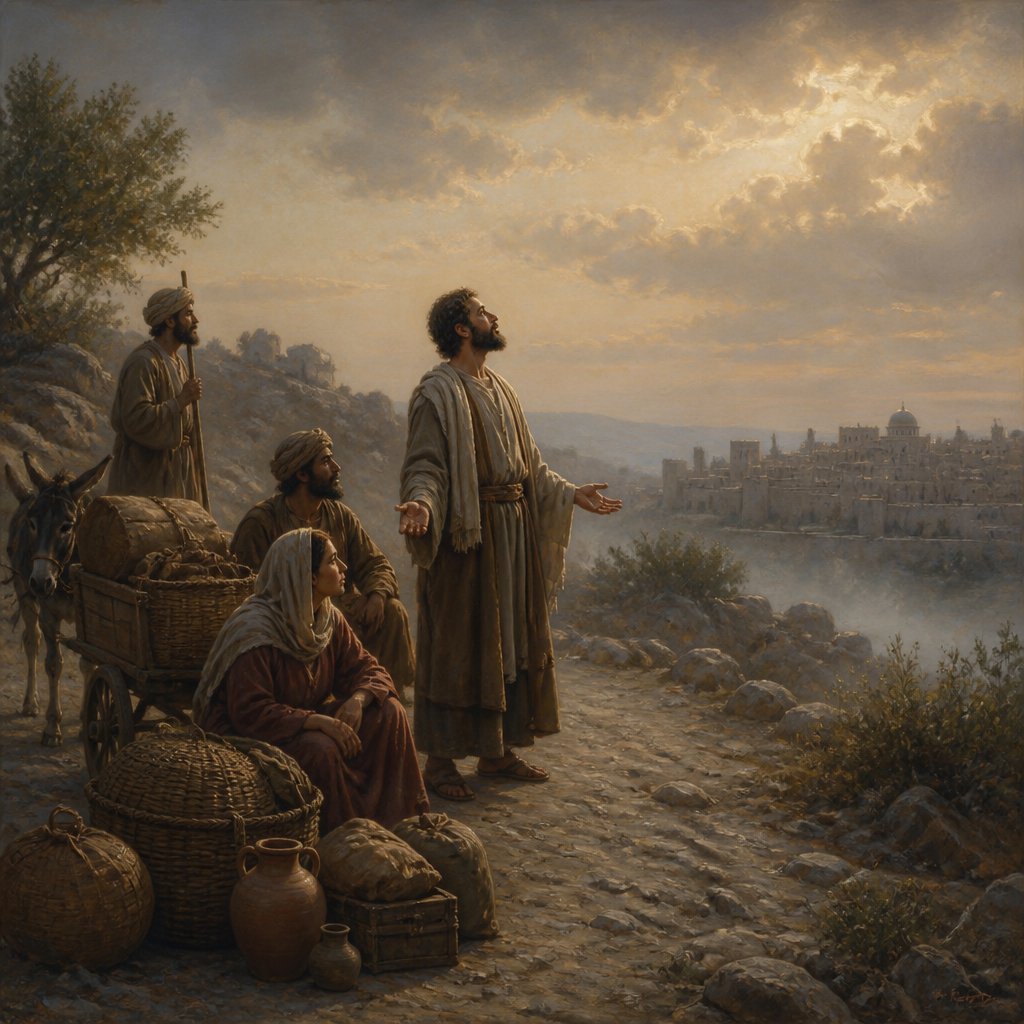
James 4:13-15 from the King James Version of the Bible reads, "Go to now, ye that say, To day or to morrow we will go into such a city, and continue there a year, and buy and sell, and get gain: Whereas ye know not what shall be on the morrow. For what is your life? It is even a vapour, that appeareth for a little time, and then vanisheth away. For that ye ought to say, If the Lord will, we shall live, and do this, or that."
This passage from the book of James delves deep into the themes of human arrogance, the uncertainty of life, and the need for humility and reliance on God’s will. The context of this passage is a warning against prideful and presumptuous planning for the future without acknowledging God’s sovereignty. In essence, James is cautioning his audience to recognize the limitations of human control and to submit to God’s will in all their plans and pursuits.
The passage opens with a rhetorical challenge, “Go to now, ye that say, To day or to morrow we will go into such a city, and continue there a year, and buy and sell, and get gain…” Here, James is addressing those who make elaborate plans for the future with an air of certainty and self-sufficiency. He is critiquing the confidence and presumption underlying their intentions, which fail to account for the reality of life’s unpredictability.
James continues by emphasizing the transient nature of human life, using the metaphor of a vapor that appears for a little time and then vanishes away. This comparison underscores the brevity and fragility of human existence, highlighting the futility of placing one’s confidence solely in earthly plans and pursuits. The imagery of a vapor serves as a poignant reminder of the fleeting nature of our lives and the temporal nature of our earthly ambitions.
The passage then offers a pivotal shift in perspective, urging the reader to acknowledge the sovereignty of God in the uncertainty of life. James asserts, “For that ye ought to say, If the Lord will, we shall live, and do this, or that." Here, James emphasizes the necessity of recognizing and submitting to God’s will in all our plans and endeavors. This humble acknowledgment of God’s sovereignty serves as a counterbalance to the prideful and presumptuous attitudes that James is warning against.
The overarching theme of this passage is the theme of humility and reliance on God. James is cautioning his audience against the prideful assumption of control over their own futures and instead encouraging them to approach life with humility and a recognition of their dependency on God. This theme aligns with broader biblical principles of seeking God’s will in all things, trusting in His guidance, and embracing humility in our human endeavors.
Symbolism in this passage is found in the imagery of the vapor, which serves as a powerful symbol of the fleeting and ephemeral nature of human life. By juxtaposing the grandiose plans of man with the transient nature of life, James highlights the insignificance of human endeavors in the grand scheme of eternity. The vapor also serves as a metaphor for the brevity and fragility of life, reminding the reader of the need to approach life with humility and an awareness of its impermanence.
In conclusion, James 4:13-15 offers a profound reflection on the themes of human arrogance, the uncertainty of life, and the importance of humility and reliance on God’s will. This passage serves as a poignant reminder of the transient nature of human existence and the futility of placing our confidence solely in earthly plans and pursuits. It challenges us to approach life with humility, recognizing our dependence on God’s sovereignty and seeking to align our plans with His will. Ultimately, this passage calls us to embrace a humble and reverent posture towards the uncertainties of life, trusting in God’s providence and seeking His guidance in all our endeavors.
Get our apps


Artwork for James 4:13-15

James 4:13-15 - "Now listen, you who say, 'Today or tomorrow we will go to this or that city, spend a year there, carry on business and make money.' Why, you do not even know what will happen tomorrow. What is your life? You are a mist that appears for a little while and then vanishes. Instead, you ought to say, 'If it is the Lord’s will, we will live and do this or that.'"
"Now listen, you who say, 'Today or tomorrow we will go to this or that city, spend a year there, carry on business and make money.' Why, you do not even know what will happen tomorrow. What is your life? You are a mist that appears for a little while and then vanishes. Instead, you ought to say, 'If it is the Lord’s will, we will live and do this or that.'" - James 4:13-15

James 4:15 - "For that ye ought to say, If the Lord will, we shall live, and do this, or that."

Acts 15:13 - "¶ And after they had held their peace, James answered, saying, Men and brethren, hearken unto me:"

James 4:13 - "Go to now, ye that say, To day or to morrow we will go into such a city, and continue there a year, and buy and sell, and get gain:"
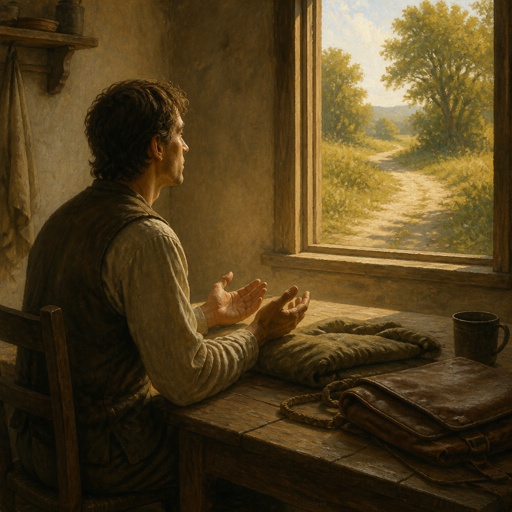
"For that ye ought to say, If the Lord will, we shall live, and do this, or that." - James 4:15

James 4:4
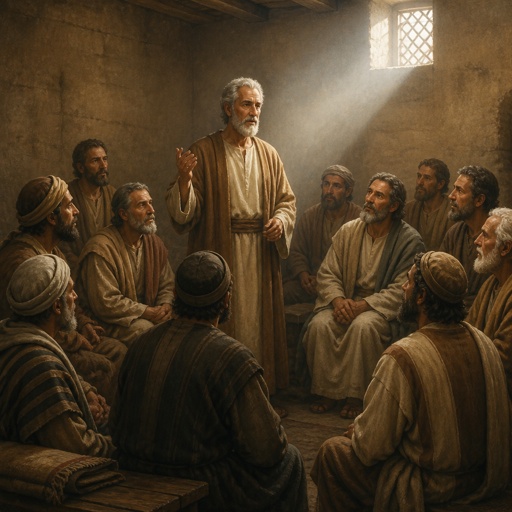
"¶ And after they had held their peace, James answered, saying, Men and brethren, hearken unto me:" - Acts 15:13

James 4:10

James 4:7

James 4:7

James 4:10

James 4:10

James 4:10

James 4:10

James 4:10

James 4:10

James 4:10

James 4:10

James 4:10

James 4:7

James 4:7

James 4:10

James 4:10

James 4:10

James 4:10

James 4:10

James 4:7

James 4:10

James 4:10