What does Jeremiah 17:7 mean?
“Blessed is the man that trusteth in the LORD, and whose hope the LORD is.” — Jeremiah 17:7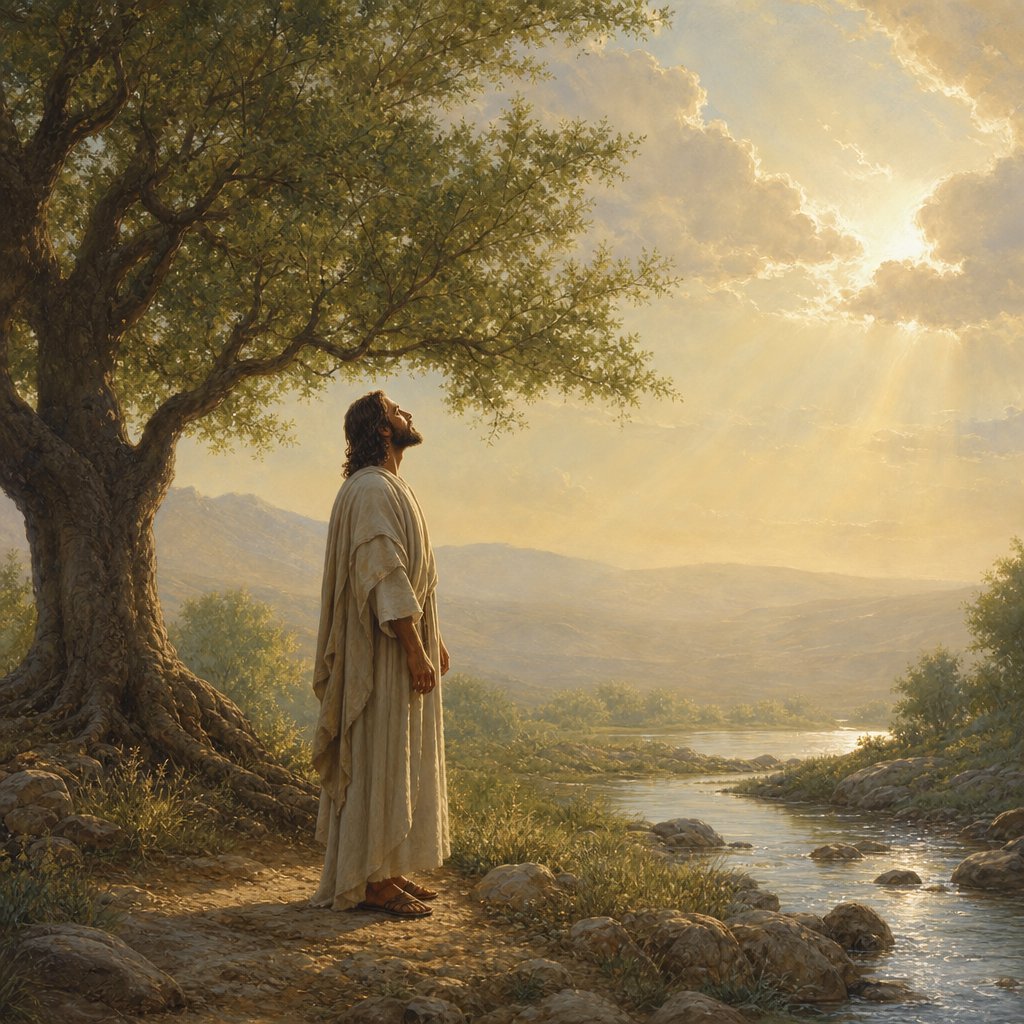
“Blessed is the man that trusteth in the LORD, and whose hope the LORD is.” (Jeremiah 17:7, KJV)
In Jeremiah 17:7 the prophet sets before the hearer a plain, weighty contrast: there is a blessedness that rests upon a person not because of circumstances, strength, or prudence, but because his confidence is placed in the LORD Himself. The word “blessed” is not merely a pleasant feeling; it is the covenantal favor of God, a state of well-being under God’s hand, marked by stability and fruitfulness that outward conditions cannot finally undo. The verse speaks personally—“the man”—to show that this is not an abstract doctrine only for nations, but a spiritual law that touches each heart and life. The blessing is tied to a specific posture of the soul: he “trusteth in the LORD.” Trust here is more than agreeing that God exists; it is reliance, a leaning of the whole life upon God’s faithfulness. It means that when fears press in, when resources fail, and when human counsel proves thin, the heart still rests its weight on the LORD.
The second clause deepens the first: “and whose hope the LORD is.” Jeremiah does not say merely that the LORD gives hope, but that the LORD is hope. The object of expectation is not primarily a change in circumstances, a favorable outcome, or a human rescue, but God Himself—His character, His promise, His presence, His rule. This distinguishes biblical hope from optimism. Optimism looks at probabilities; hope, as Jeremiah states it, looks at the LORD. In that sense the verse is not only about trusting God for what He may do, but for who He is. It is a call away from making secondary things ultimate. If a person’s hope is set chiefly on health, wealth, safety, reputation, alliances, or the strength of one’s own resolve, those things can become idols, because they are asked to carry a weight they cannot bear. Jeremiah 17:7 locates the soul’s anchor in the only One who does not fail.
The context in Jeremiah makes the contrast sharper. Immediately before this verse stands a warning that intensifies its meaning: “Thus saith the LORD; Cursed be the man that trusteth in man, and maketh flesh his arm, and whose heart departeth from the LORD.” (Jeremiah 17:5, KJV) Jeremiah’s “blessed” man is set over against the “cursed” man. The issue is not whether people use human means at all, but what the heart ultimately trusts. To “make flesh his arm” is to treat human power—whether one’s own ability or another’s influence—as the decisive strength. That posture causes the heart to “depart” from the LORD, because it transfers final confidence from God to man. Jeremiah 17:7 answers that error by describing the opposite posture: the heart stays with God by leaning on Him, and therefore enters blessing.
The verses that follow reinforce the message with rich symbolism: “For he shall be as a tree planted by the waters, and that spreadeth out her roots by the river, and shall not see when heat cometh, but her leaf shall be green; and shall not be careful in the year of drought, neither shall cease from yielding fruit.” (Jeremiah 17:8, KJV) Jeremiah 17:7 is the doorway into this picture. Trusting in the LORD is like being planted where water is dependable, not seasonal. The “tree” suggests life that is not shallow or momentary, but rooted. “Planted by the waters” implies deliberate placement and sustained supply; such a life draws from a source beyond itself. The “roots” spreading “by the river” symbolize inward dependence rather than outward show: what keeps the tree alive is mostly hidden. The “heat” and “drought” represent inevitable trials—pressure, loss, delay, scarcity—but the trusting person “shall not see when heat cometh,” meaning he is not finally ruled by the terror of adversity. He is not insensitive to hardship, but he is not destroyed by it. His “leaf shall be green,” a sign of continued life and testimony, and he “shall not be careful in the year of drought,” not because he is careless, but because anxiety is not his master when his hope is the LORD. The fruitfulness—“neither shall cease from yielding fruit”—shows that trusting God is not merely survival; it is productive spiritual life that continues even when conditions are unfavorable.
This symbolism matters because it explains the significance of the blessing in Jeremiah 17:7. The verse is not a promise that the trusting person will never experience heat or drought; Jeremiah 17:8 assumes that he will. The blessing is that the life rooted in the LORD remains sustained and fruitful through them. Jeremiah’s larger prophetic setting includes national judgment, political turmoil, and the collapse of false securities—precisely the kind of world in which people are tempted to trust in man. In that setting Jeremiah 17:7 stands as a spiritual axis: when outward supports shake, the LORD is still a sure foundation. The verse therefore addresses both personal faith and public crisis. It tells the faithful where stability is found when institutions, alliances, and human plans cannot guarantee safety.
Jeremiah’s message also touches the inner life. Soon after, the chapter says, “The heart is deceitful above all things, and desperately wicked: who can know it?” (Jeremiah 17:9, KJV) That statement explains why trusting in oneself is perilous. If the heart is deceitful, then self-trust easily becomes self-deception. Jeremiah 17:7 points away from the unreliable center of fallen human judgment and toward the LORD, whose knowledge and judgment are true. In this light, the verse carries an implicit call to repentance and humility: blessedness belongs to the one who stops making man—or the self—his final refuge, and instead returns to the LORD as the ground of confidence.
Taken together, the themes in Jeremiah 17:7 are covenant blessing, true reliance, and the relocation of hope from created strength to the Creator. The verse teaches that faith is not a mere religious accessory added to an otherwise self-sustaining life; it is the very root system by which life draws its enduring vitality. Its significance is that it names the secret of spiritual resilience: to have the LORD not only as a helper, but as one’s hope; not only as a resource among others, but as the One upon whom everything rests. In Jeremiah’s world and in any world where human strength proves fragile, “Blessed is the man that trusteth in the LORD, and whose hope the LORD is.” (Jeremiah 17:7, KJV)
Get our apps


Artwork for Jeremiah 17:7

Jeremiah 17:7-8

Jeremiah 17:7-8

Jeremiah 17:7-8

Jeremiah 17:7-8

Jeremiah 17:7 - "Blessed is the man that trusteth in the LORD, and whose hope the LORD is."

"Blessed is the man that trusteth in the LORD, and whose hope the LORD is." - Jeremiah 17:7
"Blessed is the man that trusteth in the LORD, and whose hope the LORD is." - Jeremiah 17:7

Jeremiah 17:7-8 - "But blessed is the one who trusts in the LORD, whose confidence is in him. They will be like a tree planted by the water that sends out its roots by the stream. It does not fear when heat comes; its leaves are always green. It has no worries in a year of drought and never fails to bear fruit."

"But blessed is the one who trusts in the LORD, whose confidence is in him. They will be like a tree planted by the water that sends out its roots by the stream. It does not fear when heat comes; its leaves are always green. It has no worries in a year of drought and never fails to bear fruit." - Jeremiah 17:7-8

Jeremiah 7:17 - "¶ Seest thou not what they do in the cities of Judah and in the streets of Jerusalem?"
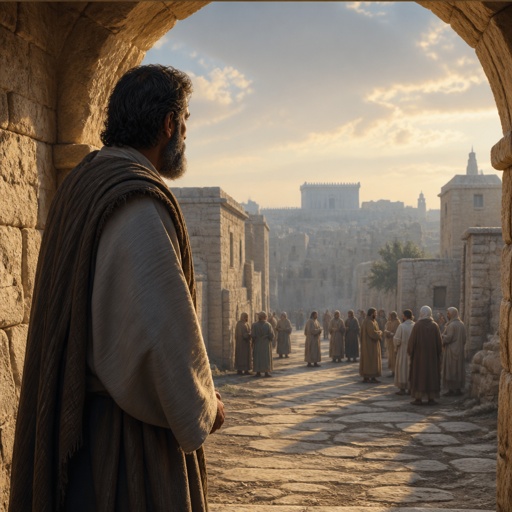
"¶ Seest thou not what they do in the cities of Judah and in the streets of Jerusalem?" - Jeremiah 7:17

Jeremiah 17:17 - "Be not a terror unto me: thou art my hope in the day of evil."

Jeremiah 7:1 - "The word that came to Jeremiah from the LORD, saying,"

Jeremiah 42:7 - "¶ And it came to pass after ten days, that the word of the LORD came unto Jeremiah."

Jeremiah 26:7 - "So the priests and the prophets and all the people heard Jeremiah speaking these words in the house of the LORD."

John 7:17-18

John 7:17-18

Jeremiah 28:17 - "So Hananiah the prophet died the same year in the seventh month."

Jeremiah 17:12 - "¶ A glorious high throne from the beginning is the place of our sanctuary."

John 7:17-18

John 7:17-18

Young prophet Jeremiah 17 years old

Jeremiah 41:17 (KJVA) 17 And they departed, and dwelt in the habitation of Chimham, which is by Bethlehem, to go to enter into Egypt,

"The word that came to Jeremiah from the LORD, saying," - Jeremiah 7:1

Micah 7:17

Leviticus 17:7

Jeremiah 7:7 - "Then will I cause you to dwell in this place, in the land that I gave to your fathers, for ever and ever."

Jeremiah 41:17 (KJVA) 17 And they departed, and dwelt in the habitation of Chimham, which is by Bethlehem, to go to enter into Egypt,

Genesis 17:7

Jeremiah 17:9 - "¶ The heart is deceitful above all things, and desperately wicked: who can know it?"