What does Jeremiah 2:10 mean?
“For pass over the isles of Chittim, and see; and send unto Kedar, and consider diligently, and see if there be such a thing.” — Jeremiah 2:10
Jeremiah 2:10 in the King James Version states, "For pass over the isles of Chittim, and see; and send unto Kedar, and consider diligently, and see if there be such a thing." This verse is part of a larger passage in which the prophet Jeremiah is condemning the people of Judah for their idolatry and infidelity to God. He uses imagery from the surrounding nations to illustrate his point.
The verse opens with a command to “pass over the isles of Chittim, and see.” Chittim refers to the islands or coastal regions of the Mediterranean Sea, which were inhabited by the Phoenicians, Greeks, and other seafaring peoples. The command to “see” indicates that Jeremiah wants the people of Judah to take note of the practices and conditions of their neighbors. He wants them to observe the state of those who do not worship Yahweh, and to consider how they live and how they worship.
The next part of the verse commands the people to “send unto Kedar, and consider diligently.” Kedar refers to the Arabian tribes that lived in the desert regions to the southeast of Judah. The people of Kedar were known for their nomadic lifestyle and their worship of pagan deities. Jeremiah is instructing the people of Judah to send messengers to Kedar, to investigate and understand their religious practices and customs.
At the end of the verse, Jeremiah asks the people to “see if there be such a thing.” By this, he means for them to determine whether the idolatrous practices of the surrounding nations are fruitful or beneficial. He challenges them to consider whether the false gods of these nations can offer the same protection, provision, and guidance that Yahweh, the one true God, provides to His people.
This verse serves as a call to the people of Judah to reflect on their own behavior and religious practices. By using the surrounding nations as examples, Jeremiah is emphasizing the contrast between the faithfulness and power of Yahweh and the empty, futile idols worshiped by the pagans. The verse highlights the importance of discernment and wise judgment in discerning true faith and worship.
The broader context of this verse is essential for understanding its significance. In the preceding verses, Jeremiah accuses the people of Judah of forsaking the Lord, the fountain of living waters, and of hewing out broken cisterns that can hold no water (Jeremiah 2:13). This imagery is a powerful illustration of the people’s abandonment of God in favor of idolatry and false worship. The verse under consideration, Jeremiah 2:10, further reinforces this accusation by pointing to the empty and unfulfilling nature of the practices of the surrounding nations.
The theme of idolatry and infidelity to God is central to the Book of Jeremiah. The prophet’s primary message is one of warning and chastisement for Judah’s sin and impending judgment from God if they do not repent. The use of imagery from the surrounding nations serves as a powerful rhetorical device to drive home the severity of the people’s spiritual adultery and the consequences they will face if they do not turn back to Yahweh.
Symbolism in this verse abounds. The isles of Chittim and the people of Kedar symbolize the various nations and their customs that stand in contrast to the heritage and faith of the people of Judah. These symbols serve to illustrate the contrast between true worship of the one true God and the false worship of idols and foreign deities. The use of the metaphor of a broken cistern further emphasizes the futility and emptiness of turning away from Yahweh.
In conclusion, Jeremiah 2:10 in the King James Version is a powerful and evocative verse that condemns the idolatry and infidelity of the people of Judah. Through the use of imagery from the surrounding nations, the verse highlights the contrast between faithful worship of Yahweh and the vain practices of the pagans. The broader context of the Book of Jeremiah and its themes of warning and chastisement for spiritual unfaithfulness adds depth and significance to this verse. Ultimately, Jeremiah's message calls for repentance and a return to the one true God.
Get our apps


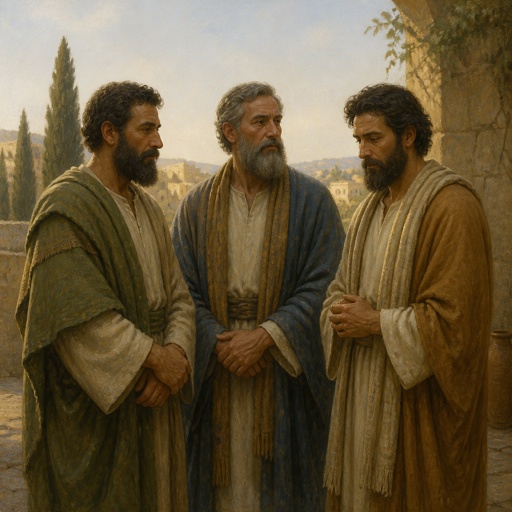
Artwork for Jeremiah 2:10

Jeremiah 2:10 - "For pass over the isles of Chittim, and see; and send unto Kedar, and consider diligently, and see if there be such a thing."

"For pass over the isles of Chittim, and see; and send unto Kedar, and consider diligently, and see if there be such a thing." - Jeremiah 2:10

Nehemiah 10:2 - "Seraiah, Azariah, Jeremiah,"
"Seraiah, Azariah, Jeremiah," - Nehemiah 10:2

Jeremiah 10:2 - "Thus saith the LORD, Learn not the way of the heathen, and be not dismayed at the signs of heaven; for the heathen are dismayed at them."

Jeremiah 10:5

Jeremiah 1: 1-10

"Thus saith the LORD, Learn not the way of the heathen, and be not dismayed at the signs of heaven; for the heathen are dismayed at them." - Jeremiah 10:2

1 Chronicles 12:10 - "Mishmannah the fourth, Jeremiah the fifth,"

Jeremiah 10:8 - "But they are altogether brutish and foolish: the stock is a doctrine of vanities."

Jeremiah 28:10 - "Then Hananiah the prophet took the yoke from off the prophet Jeremiah's neck, and brake it."

Jeremiah 10:15 - "They are vanity, and the work of errors: in the time of their visitation they shall perish."

Jeremiah 10:4 - "They deck it with silver and with gold; they fasten it with nails and with hammers, that it move not."

Jeremiah 19:10 - "Then shalt thou break the bottle in the sight of the men that go with thee,"

Jeremiah 10:10 - "But the LORD is the true God, he is the living God, and an everlasting king: at his wrath the earth shall tremble, and the nations shall not be able to abide his indignation."

Jeremiah 38:10 - "Then the king commanded Ebed-melech the Ethiopian, saying, Take from hence thirty men with thee, and take up Jeremiah the prophet out of the dungeon, before he die."

Jeremiah 10:17 - "¶ Gather up thy wares out of the land, O inhabitant of the fortress."

Jeremiah 36:10 - "Then read Baruch in the book the words of Jeremiah in the house of the LORD, in the chamber of Gemariah the son of Shaphan the scribe, in the higher court, at the entry of the new gate of the LORD'S house, in the ears of all the people."

Jeremiah 32:10 - "And I subscribed the evidence, and sealed it, and took witnesses, and weighed him the money in the balances."

Jeremiah 50:10 - "And Chaldea shall be a spoil: all that spoil her shall be satisfied, saith the LORD."

Jeremiah 10:1 - "Hear ye the word which the LORD speaketh unto you, O house of Israel:"

Jeremiah 25:2 - "The which Jeremiah the prophet spake unto all the people of Judah, and to all the inhabitants of Jerusalem, saying,"

Jeremiah 10:24 - "O LORD, correct me, but with judgment; not in thine anger, lest thou bring me to nothing."

Jeremiah 3:2

"Mishmannah the fourth, Jeremiah the fifth," - 1 Chronicles 12:10

Jeremiah 10:3 - "For the customs of the people are vain: for one cutteth a tree out of the forest, the work of the hands of the workman, with the axe."

Jeremiah 10:23 - "¶ O LORD, I know that the way of man is not in himself: it is not in man that walketh to direct his steps."

Jeremiah 10:21 - "For the pastors are become brutish, and have not sought the LORD: therefore they shall not prosper, and all their flocks shall be scattered."

Jeremiah 20:2 - "Then Pashur smote Jeremiah the prophet, and put him in the stocks that were in the high gate of Benjamin, which was by the house of the LORD."

Jeremiah 32:2 - "For then the king of Babylon's army besieged Jerusalem: and Jeremiah the prophet was shut up in the court of the prison, which was in the king of Judah's house."