What does Jeremiah 2:2 mean?
“Go and cry in the ears of Jerusalem, saying, Thus saith the LORD; I remember thee, the kindness of thy youth, the love of thine espousals, when thou wentest after me in the wilderness, in a land that was not sown.” — Jeremiah 2:2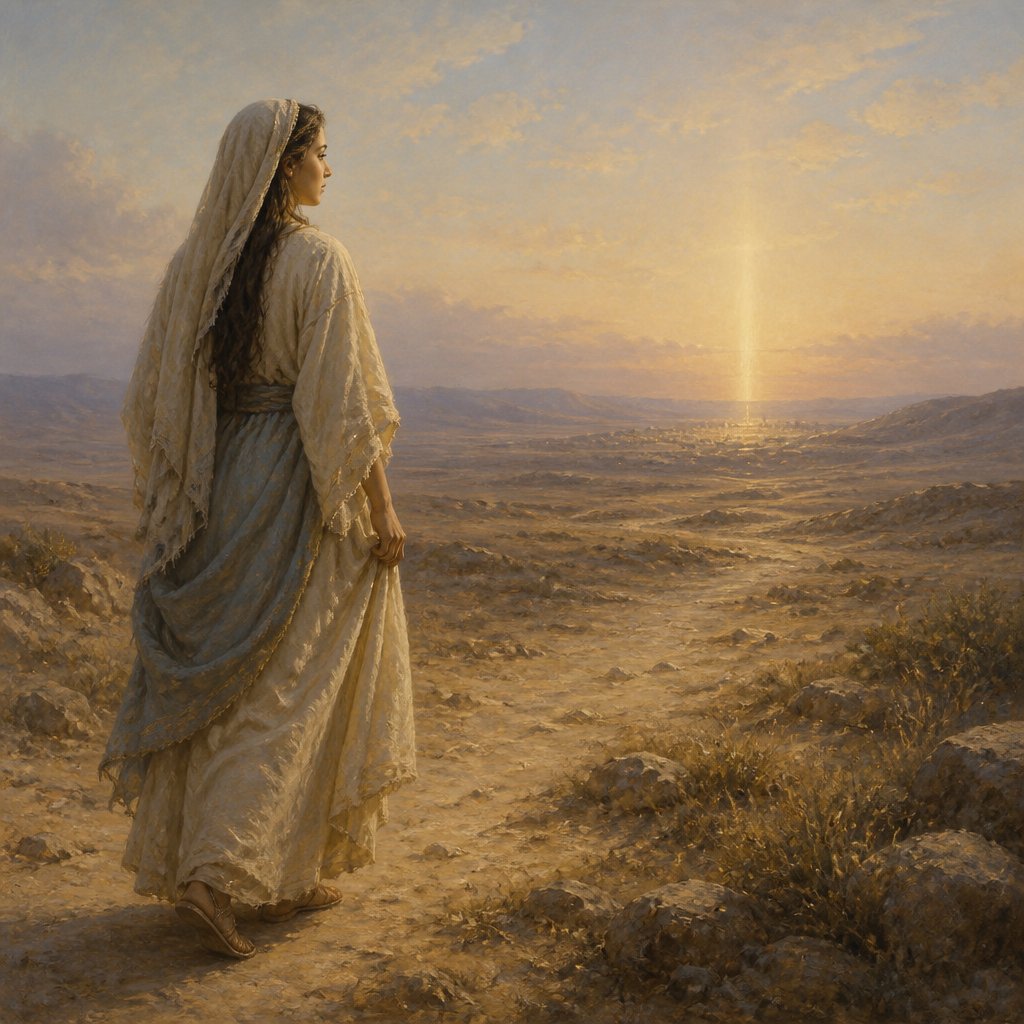
“Go and cry in the ears of Jerusalem, saying, Thus saith the Lord; I remember thee, the kindness of thy youth, the love of thine espousals, when thou wentest after me in the wilderness, in a land that was not sown.” – Jeremiah 2:2 (KJV)
The book of Jeremiah is a prophetic book in the Old Testament, and the verse Jeremiah 2:2 is a poignant reminder of God’s faithfulness to His people and their subsequent unfaithfulness. This verse serves as an introduction to the message God wants to convey to the people of Jerusalem through the prophet Jeremiah. It is a call to repentance and a warning of the consequences of turning away from God.
The verse begins with a command from God to Jeremiah to “cry in the ears of Jerusalem,” which symbolizes the urgency and importance of the message that is about to be delivered. The use of the word “cry” emphasizes the emotional weight and gravity of the situation. Jerusalem, as the capital city of Judah, represents the entire nation of Israel, and God’s message is directed at the people as a whole.
The verse then states, “Thus saith the Lord; I remember thee, the kindness of thy youth.” This is a powerful declaration of God’s remembrance of the relationship He had with His people in the past. The “kindness of thy youth” refers to the time when Israel was first established as a nation and entered into a covenant relationship with God. This period represents a time of innocence, purity, and devotion to God. It is a time when Israel’s love and commitment to God were unwavering.
The phrase “the love of thine espousals” further emphasizes the depth of the relationship between God and His people. The word “espousals” refers to the betrothal or engagement period before marriage, highlighting the intimacy and covenantal nature of the relationship. It speaks of a time when Israel was faithful and devoted to God, and He, in turn, was deeply committed to them.
The verse continues, “when thou wentest after me in the wilderness, in a land that was not sown.” This references the time when the Israelites were led by God through the wilderness after their exodus from Egypt. It recalls a time of dependence on God’s provision, protection, and guidance. The wilderness, a harsh and barren land, represents a place of testing and refinement. It was in the wilderness that Israel learned to trust and rely on God, and their faithfulness was evident as they followed Him despite the challenges they faced.
In essence, Jeremiah 2:2 paints a vivid picture of God’s fond remembrance of the time when His people were wholeheartedly devoted to Him. It serves as a reminder of the faithfulness and love that once characterized their relationship.
However, the verse also serves as a prelude to the prophetic rebuke and warning that follows in the subsequent verses. The poignant recollection of the past only serves to highlight the stark contrast of the current state of affairs. The faithfulness and devotion of Israel’s youth have been replaced by idolatry, spiritual adultery, and rebellion against God.
The themes of faithfulness, covenant relationship, and the consequences of unfaithfulness are central to the message of Jeremiah 2:2. The verse serves as a poignant reminder of God’s faithfulness and love, as well as a sobering warning of the dire consequences of turning away from Him.
In a broader context, this verse also points to the universal human tendency to stray from God and the need for repentance and restoration. It serves as a timeless reminder of the importance of faithfulness and devotion in our relationship with God.
In conclusion, Jeremiah 2:2 is a powerful and poignant verse that encapsulates the theme of God’s faithfulness, Israel’s unfaithfulness, and the call to repentance. It serves as a reminder of the enduring love and commitment of God, as well as a sobering warning of the consequences of forsaking Him. It is a timeless message that holds relevance for all believers, urging us to remain faithful and devoted to God in our walk with Him.
Get our apps


Artwork for Jeremiah 2:2

Jeremiah 2:2 - "Go and cry in the ears of Jerusalem, saying, Thus saith the LORD; I remember thee, the kindness of thy youth, the love of thine espousals, when thou wentest after me in the wilderness, in a land that was not sown."
"Go and cry in the ears of Jerusalem, saying, Thus saith the LORD; I remember thee, the kindness of thy youth, the love of thine espousals, when thou wentest after me in the wilderness, in a land that was not sown." - Jeremiah 2:2

Jeremiah 3:2

Nehemiah 10:2 - "Seraiah, Azariah, Jeremiah,"

Jeremiah 33:2-11

Jeremiah 33:2-11

Jeremiah 25:2 - "The which Jeremiah the prophet spake unto all the people of Judah, and to all the inhabitants of Jerusalem, saying,"

Jeremiah 20:2 - "Then Pashur smote Jeremiah the prophet, and put him in the stocks that were in the high gate of Benjamin, which was by the house of the LORD."

Jeremiah 32:2 - "For then the king of Babylon's army besieged Jerusalem: and Jeremiah the prophet was shut up in the court of the prison, which was in the king of Judah's house."

Jeremiah 40:2 - "And the captain of the guard took Jeremiah, and said unto him, The LORD thy God hath pronounced this evil upon this place."

Jeremiah 2:1 - "Moreover the word of the LORD came to me, saying,"

Jeremiah 5:2 - "And though they say, The LORD liveth; surely they swear falsely."

Jeremiah 6:2 - "I have likened the daughter of Zion to a comely and delicate woman."
"Seraiah, Azariah, Jeremiah," - Nehemiah 10:2

Jeremiah 37:2 - "But neither he, nor his servants, nor the people of the land, did hearken unto the words of the LORD, which he spake by the prophet Jeremiah."

Jeremiah 45:2 - "Thus saith the LORD, the God of Israel, unto thee, O Baruch;"

Jeremiah 2:16 - "Also the children of Noph and Tahapanes have broken the crown of thy head."

Jeremiah 13:2 - "So I got a girdle according to the word of the LORD, and put it on my loins."

Jeremiah 11:2 - "Hear ye the words of this covenant, and speak unto the men of Judah, and to the inhabitants of Jerusalem;"

Jeremiah 17:2 - "Whilst their children remember their altars and their groves by the green trees upon the high hills."

Jeremiah 18:2 - "Arise, and go down to the potter's house, and there I will cause thee to hear my words."

Jeremiah 39:2 - "And in the eleventh year of Zedekiah, in the fourth month, the ninth day of the month, the city was broken up."

Jeremiah 2:4 - "Hear ye the word of the LORD, O house of Jacob, and all the families of the house of Israel:"

Jeremiah 52:2 - "And he did that which was evil in the eyes of the LORD, according to all that Jehoiakim had done."

Jeremiah 33:2 - "Thus saith the LORD the maker thereof, the LORD that formed it, to establish it; the LORD is his name;"

Jeremiah 2:12 - "Be astonished, O ye heavens, at this, and be horribly afraid, be ye very desolate, saith the LORD."

Jeremiah 10:2 - "Thus saith the LORD, Learn not the way of the heathen, and be not dismayed at the signs of heaven; for the heathen are dismayed at them."

Jeremiah 16:2 - "Thou shalt not take thee a wife, neither shalt thou have sons or daughters in this place."

Jeremiah 2:9 - "¶ Wherefore I will yet plead with you, saith the LORD, and with your children's children will I plead."

Jeremiah 2:10 - "For pass over the isles of Chittim, and see; and send unto Kedar, and consider diligently, and see if there be such a thing."