What does Jeremiah 2:31 mean?
“O generation, see ye the word of the LORD. Have I been a wilderness unto Israel? a land of darkness? wherefore say my people, We are lords; we will come no more unto thee?” — Jeremiah 2:31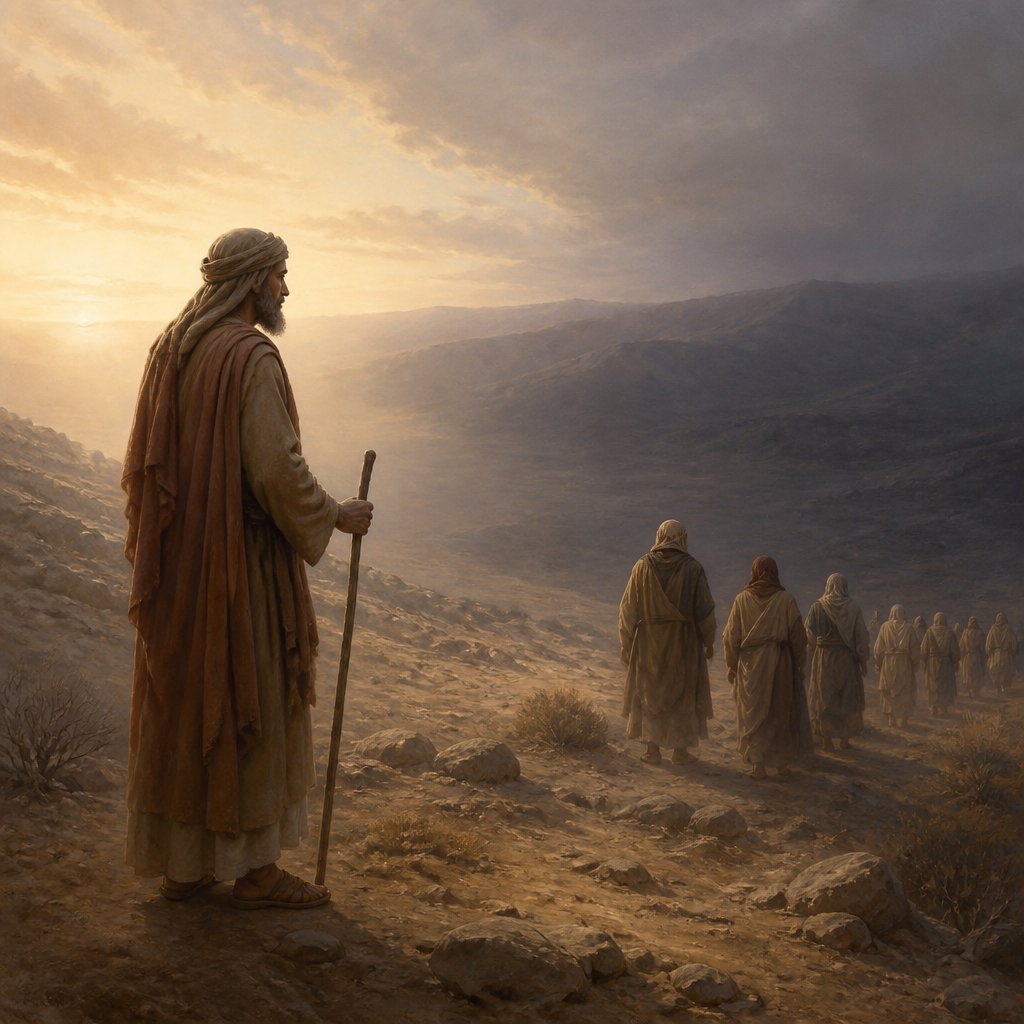
The Bible verse Jeremiah 2:31 in the King James Version (KJV) reads, "O generation, see ye the word of the Lord. Have I been a wilderness unto Israel? a land of darkness? wherefore say my people, We are lords; we will come no more unto thee?" This verse comes from the book of Jeremiah in the Old Testament and is a powerful expression of God's disappointment in the behavior of the Israelites.
In this verse, the prophet Jeremiah is speaking on behalf of God, addressing the Israelites as a whole. The verse begins with a call to attention, asking the generation to "see" or understand the word of the Lord. This is a common rhetorical technique used in the Bible to capture the listener's or reader's attention and emphasize the importance of the following message.
The verse then continues with a rhetorical question from God, asking if He has been a wilderness unto Israel, a land of darkness. This question reflects God's frustration with the Israelites' attitude towards Him. The imagery of a wilderness and darkness conveys the sense of desolation and despair that the Israelites may have felt, but it also reflects the spiritual condition of the people. Rather than acknowledging God's presence and provision, they have chosen to see Him as distant and uninvolved in their lives.
The verse concludes with a poignant statement from the people, declaring, "We are lords; we will come no more unto thee." This declaration of self-sufficiency and independence from God reveals the pride and rebellion that has taken hold of the Israelites. They have become so consumed with their own self-importance that they no longer feel the need to turn to God for guidance or support.
The themes present in this verse are ones of God's faithfulness and the ungratefulness of the people of Israel. Throughout the Old Testament, God repeatedly demonstrates His love and provision for the Israelites, leading them out of slavery in Egypt, providing for them in the wilderness, and guiding them into the promised land. Despite His faithfulness, the Israelites continually turned away from God, seeking their own path and forsaking the relationship with Him.
The context of this verse is important in understanding the depth of God's disappointment. The book of Jeremiah is a collection of prophecies and oracles given to Jeremiah by God, addressing the spiritual condition of the Israelites and warning of the impending consequences of their disobedience. Jeremiah lived during a time of political instability and moral decay, and his message often fell on deaf ears as the people continued to pursue their own desires and ignore the voice of God.
In terms of symbolism, the imagery of a wilderness and a land of darkness can be seen as representing the spiritual state of the Israelites. A wilderness is often used in the Bible to represent a place of testing and trial, where dependence on God is paramount. The land of darkness conveys a sense of spiritual blindness and ignorance, highlighting the people's lack of understanding and recognition of God's presence.
Ultimately, this verse serves as a powerful reminder of God's desire for a relationship with His people and the destructive nature of pride and rebellion. It challenges us to examine our own hearts and attitudes towards God, and to consider the ways in which we may be seeking to be "lords" of our own lives rather than humbly submitting to His will. It also serves as a warning of the consequences of turning away from God and seeking fulfillment in our own strength.
In conclusion, Jeremiah 2:31 in the King James Version is a poignant expression of God's disappointment and the ungratefulness of the Israelites. It serves as a timeless reminder of the importance of humility, dependence on God, and the consequences of pride and rebellion. As readers of this verse, we are challenged to reflect on our own relationship with God and consider the ways in which we may be seeking to be "lords" of our own lives, rather than surrendering to His loving authority.
Get our apps


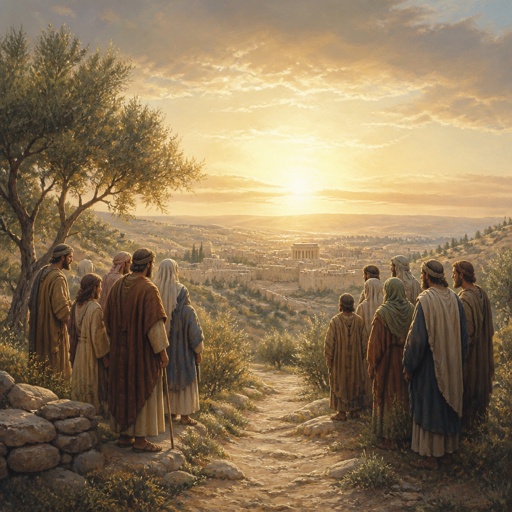
Artwork for Jeremiah 2:31
Jeremiah 2:31 - "¶ O generation, see ye the word of the LORD. Have I been a wilderness unto Israel? a land of darkness? wherefore say my people, We are lords; we will come no more unto thee?"
"¶ O generation, see ye the word of the LORD. Have I been a wilderness unto Israel? a land of darkness? wherefore say my people, We are lords; we will come no more unto thee?" - Jeremiah 2:31

Jeremiah 31:31-33

Jeremiah 31:31-33

Jeremiah 31:2 - "Thus saith the LORD, The people which were left of the sword found grace in the wilderness; even Israel, when I went to cause him to rest."

2 Kings 23:31 - "¶ Jehoahaz was twenty and three years old when he began to reign; and he reigned three months in Jerusalem. And his mother's name was Hamutal, the daughter of Jeremiah of Libnah."

Jeremiah 31:31 - "¶ Behold, the days come, saith the LORD, that I will make a new covenant with the house of Israel, and with the house of Judah:"

Jeremiah 31:25 put bible verse on it

Jeremiah 31:26 - "Upon this I awaked, and beheld; and my sleep was sweet unto me."
Jeremiah 31:31 "Behold, the days are coming, says the Lord, when I will make a new covenant with the house of Israel and with the house of Judah--

Jeremiah 31:31 "Behold, the days are coming, says the Lord, when I will make a new covenant with the house of Israel and with the house of Judah--

Jeremiah 31:25 - "For I have satiated the weary soul, and I have replenished every sorrowful soul."

Jeremiah 31:1 - "At the same time, saith the LORD, will I be the God of all the families of Israel, and they shall be my people."

Jeremiah 23:31 - "Behold, I am against the prophets, saith the LORD, that use their tongues, and say, He saith."

Jeremiah 31:24 - "And there shall dwell in Judah itself, and in all the cities thereof together, husbandmen, and they that go forth with flocks."

Jeremiah 31:11 - "For the LORD hath redeemed Jacob, and ransomed him from the hand of him that was stronger than he."

Jeremiah 31:17 - "And there is hope in thine end, saith the LORD, that thy children shall come again to their own border."

Jeremiah 31:14 - "And I will satiate the soul of the priests with fatness, and my people shall be satisfied with my goodness, saith the LORD."

Jeremiah 31:29 - "In those days they shall say no more, The fathers have eaten a sour grape, and the children's teeth are set on edge."
"¶ Behold, the days come, saith the LORD, that I will make a new covenant with the house of Israel, and with the house of Judah:" - Jeremiah 31:31

Jeremiah 31:39 - "And the measuring line shall yet go forth over against it upon the hill Gareb, and shall compass about to Goath."

Jeremiah 31:27 - "¶ Behold, the days come, saith the LORD, that I will sow the house of Israel and the house of Judah with the seed of man, and with the seed of beast."

Jeremiah 31:38 - "¶ Behold, the days come, saith the LORD, that the city shall be built to the LORD from the tower of Hananeel unto the gate of the corner."

Jeremiah 31:5 - "Thou shalt yet plant vines upon the mountains of Samaria: the planters shall plant, and shall eat them as common things."

Jeremiah 48:31 - "Therefore will I howl for Moab, and I will cry out for all Moab; mine heart shall mourn for the men of Kir-heres."

Jeremiah 5:31 - "The prophets prophesy falsely, and the priests bear rule by their means; and my people love to have it so: and what will ye do in the end thereof?"

Jeremiah 31:30 - "But every one shall die for his own iniquity: every man that eateth the sour grape, his teeth shall be set on edge."

Judges 2:31

Jeremiah 51:31 - "One post shall run to meet another, and one messenger to meet another, to shew the king of Babylon that his city is taken at one end,"

Jeremiah 31:15 - "¶ Thus saith the LORD; A voice was heard in Ramah, lamentation, and bitter weeping; Rahel weeping for her children refused to be comforted for her children, because they were not."