What does Jeremiah 20:12 mean?
“But, O LORD of hosts, that triest the righteous, and seest the reins and the heart, let me see thy vengeance on them: for unto thee have I opened my cause.” — Jeremiah 20:12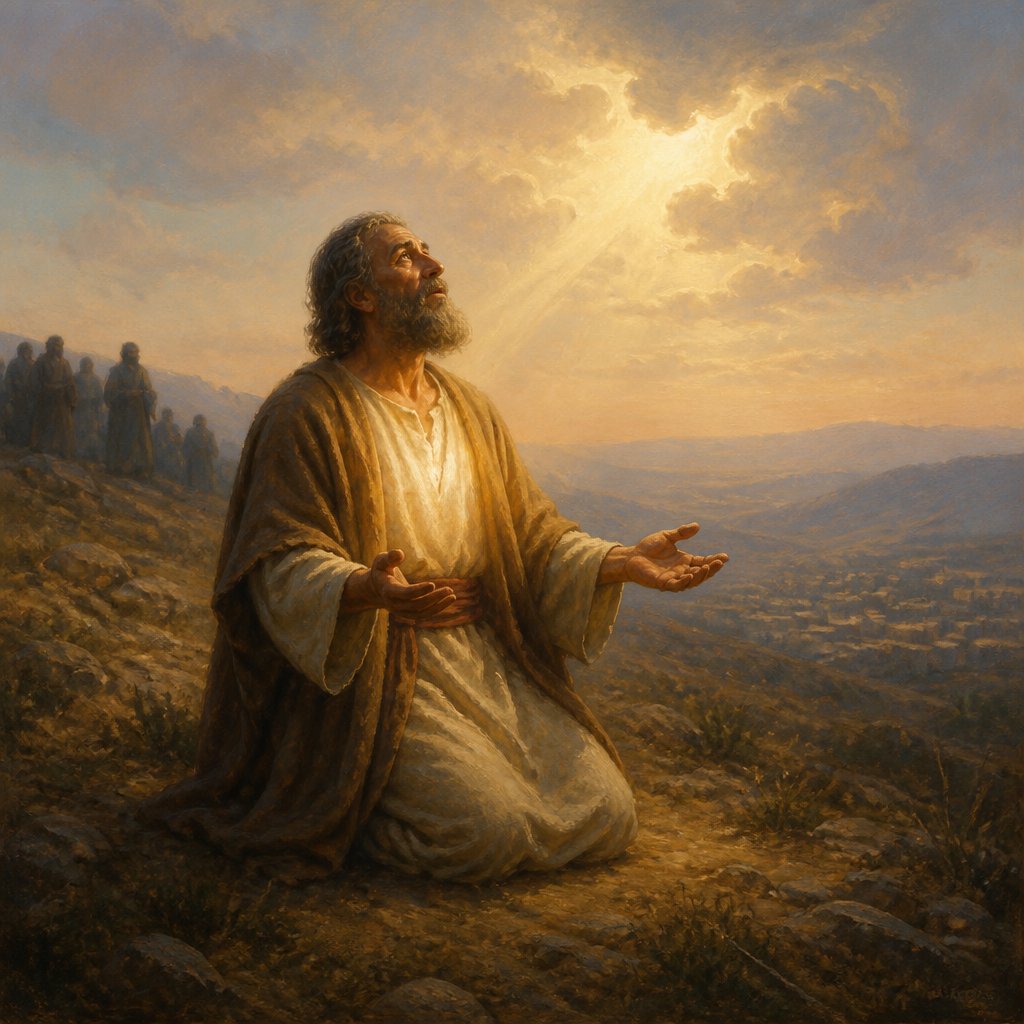
Jeremiah 20:12 in the King James Version of the Bible states, "But, O Lord of hosts, that triest the righteous, and seest the reins and the heart, let me see thy vengeance on them: for unto thee have I opened my cause." This verse is a plea from the prophet Jeremiah to the Lord, expressing his feelings of despair and hopelessness in the face of adversity.
The context of this verse is important in understanding its meaning. Jeremiah was a prophet in ancient Israel during a time of great turmoil and upheaval. He experienced intense persecution and rejection for delivering messages from God to the people of Judah, warning them of the impending destruction of Jerusalem if they did not turn from their wicked ways. Jeremiah faced opposition and ridicule from his own people, including the priests and false prophets who rejected his messages. In this verse, he is expressing his frustration and anger at his enemies, feeling overwhelmed by the challenge of delivering God's message in the face of such strong opposition.
The theme of this verse is one of injustice and the struggle of a righteous person to endure persecution and opposition. Jeremiah is crying out to the Lord, seeking vengeance on his enemies who have wronged him. This theme of justice and the desire for retribution is a common thread throughout the Bible, as many of the prophets and righteous individuals faced similar struggles against wickedness and injustice. The verse also speaks to the inner turmoil and anguish that Jeremiah is experiencing, as he is torn between his desire for vengeance and his commitment to follow the Lord's will.
The symbolism in this verse is significant, as it represents the conflict between the desires of the flesh and the righteousness of the spirit. Jeremiah is acknowledging the Lord's authority to judge the righteous and the wicked, acknowledging that God sees and understands the depths of the human heart. This symbolism reflects the internal struggle that Jeremiah is facing, as he wrestles with his own feelings of anger and desire for vengeance, while also recognizing the divine nature of the Lord's justice.
In addition, this verse also highlights the power of prayer and the importance of bringing our struggles and emotions before the Lord. Jeremiah's plea for vengeance is a reflection of his deep emotional distress and his need for the Lord's intervention. This serves as a reminder to believers that we can bring our anger, frustration, and pain before God in prayer, seeking His guidance and comfort in times of distress.
Overall, Jeremiah 20:12 is a powerful and emotive expression of the inner turmoil and conflict experienced by the prophet Jeremiah. It speaks to the universal struggle of the righteous in the face of persecution and injustice, and the ultimate need to rely on the Lord for strength and guidance in such challenging times. This verse serves as a reminder of the power of prayer and the importance of seeking God's justice and mercy in the midst of adversity.
Get our apps


Artwork for Jeremiah 20:12
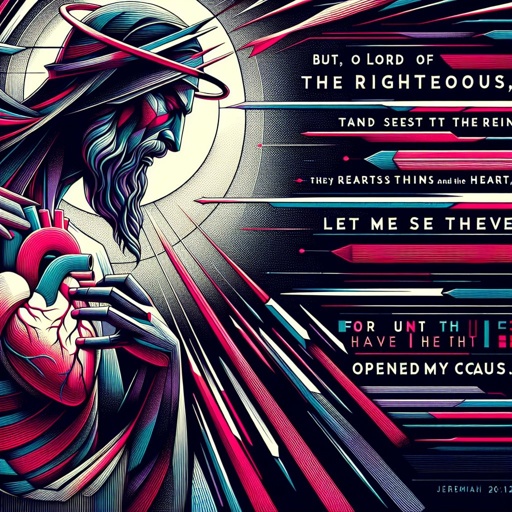
Jeremiah 20:12 - "But, O LORD of hosts, that triest the righteous, and seest the reins and the heart, let me see thy vengeance on them: for unto thee have I opened my cause."
"But, O LORD of hosts, that triest the righteous, and seest the reins and the heart, let me see thy vengeance on them: for unto thee have I opened my cause." - Jeremiah 20:12

Jeremiah 20:4

Jeremiah 35:12 - "¶ Then came the word of the LORD unto Jeremiah, saying,"

Jeremiah 34:12 - "¶ Therefore the word of the LORD came to Jeremiah from the LORD, saying,"

Jeremiah 20:2 - "Then Pashur smote Jeremiah the prophet, and put him in the stocks that were in the high gate of Benjamin, which was by the house of the LORD."

Jeremiah 20:3 - "And it came to pass on the morrow, that Pashur brought forth Jeremiah out of the stocks. Then said Jeremiah unto him, The LORD hath not called thy name Pashur, but Magor-missabib."
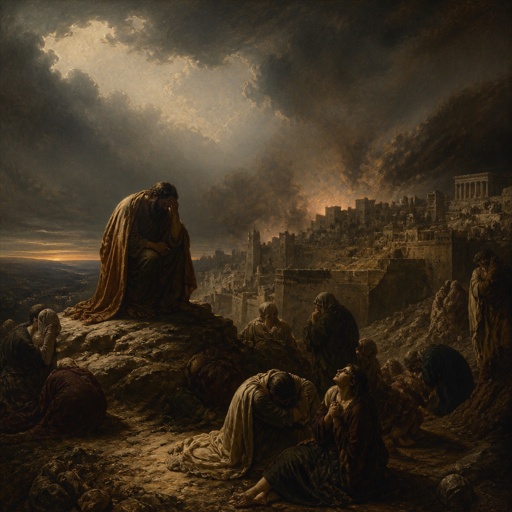
Jeremiah 5: 12.

Jeremiah 20:1 - "Now Pashur the son of Immer the priest, who was also chief governor in the house of the LORD, heard that Jeremiah prophesied these things."

Jeremiah 44:20 - "¶ Then Jeremiah said unto all the people, to the men, and to the women, and to all the people which had given him that answer, saying,"

Jeremiah 28:12 - "Then the word of the LORD came unto Jeremiah the prophet, after that Hananiah the prophet had broken the yoke from off the neck of the prophet Jeremiah, saying,"

Jeremiah 5:20 - "Declare this in the house of Jacob, and publish it in Judah, saying,"

Jeremiah 8:20 - "The harvest is past, the summer is ended, and we are not saved."

Nehemiah 12:12 - "And in the days of Joiakim were priests, the chief of the fathers: of Seraiah, Meraiah; of Jeremiah, Hananiah;"

Jeremiah 37:12 - "Then Jeremiah went forth out of Jerusalem to go into the land of Benjamin, to separate himself thence in the midst of the people."

Jeremiah 16:20 - "Shall a man make gods unto himself, and they are no gods?"

Genesis 20-12

Jeremiah 38:12 - "And Ebed-melech the Ethiopian said unto Jeremiah, Put now these old cast clouts and rotten rags under thine armholes under the cords. And Jeremiah did so."

Nehemiah 12:34 - "Judah, and Benjamin, and Shemaiah, and Jeremiah,"

"¶ Then came the word of the LORD unto Jeremiah, saying," - Jeremiah 35:12

Jeremiah 26:20 - "And there was also a man that prophesied in the name of the LORD, Urijah the son of Shemaiah of Kirjath-jearim, who prophesied against this city and against this land according to all the words of Jeremiah:"

1 Chronicles 12:10 - "Mishmannah the fourth, Jeremiah the fifth,"

1 Chronicles 12:13 - "Jeremiah the tenth, Machbanai the eleventh."

acts 20:7-12

Jeremiah 46:20 - "Egypt is like a very fair heifer, but destruction cometh; it cometh out of the north."

Jeremiah 15:12 - "Shall iron break the northern iron and the steel?"

John 20:11-12

Nehemiah 12:20 - "Of Sallai, Kallai; of Amok, Eber;"

"¶ Therefore the word of the LORD came to Jeremiah from the LORD, saying," - Jeremiah 34:12

Jeremiah 48:20 - "Moab is confounded; for it is broken down: howl and cry; tell ye it in Arnon, that Moab is spoiled,"