What does Jeremiah 20:16 mean?
“And let that man be as the cities which the LORD overthrew, and repented not: and let him hear the cry in the morning, and the shouting at noontide;” — Jeremiah 20:16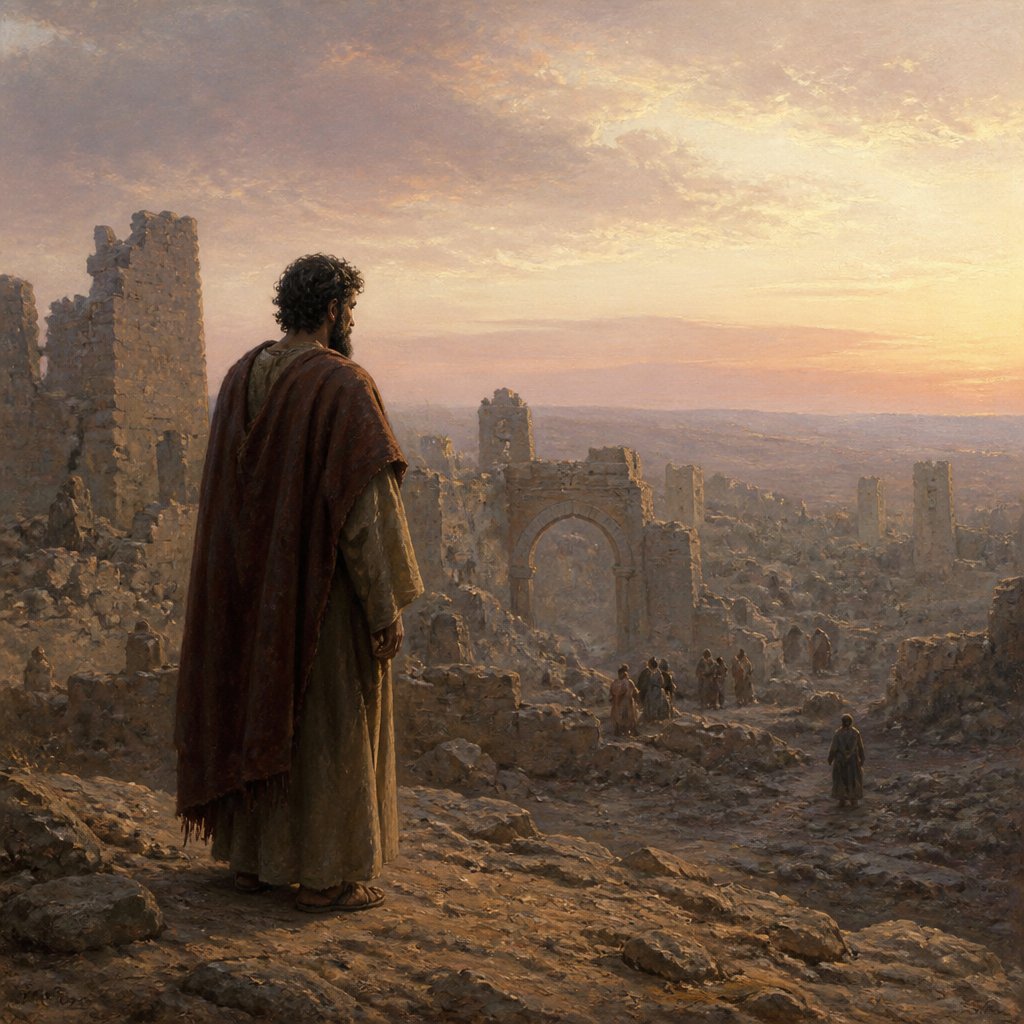
Jeremiah 20:16 (KJV) reads, "And let that man be as the cities which the Lord overthrew, and repented not: and let him hear the cry in the morning, and the shouting at noontide."
This verse is part of the book of Jeremiah, which is a prophetic book in the Old Testament. Jeremiah was a prophet who lived during the final years of the kingdom of Judah. He warned the people of Judah about the impending judgment of God if they did not turn from their sinful ways. His messages were not well-received, and he faced persecution and rejection from his own people.
The context of this verse is important for understanding its meaning. In the preceding verses, Jeremiah is expressing his anguish and frustration at the persecution he faced for delivering God's messages. He even cursed the day of his birth, wishing that he had never been born. In verse 14, he says, "Cursed be the day wherein I was born: let not the day wherein my mother bare me be blessed." This shows the depth of Jeremiah's despair and the intense emotional turmoil he was experiencing.
In verse 16, Jeremiah expresses a wish for the person who has caused him such anguish to experience the same level of destruction and despair that befell the cities that the Lord overthrew. He wishes for this individual to hear the cries of distress in the morning and the shouts of alarm at noontime, just as the inhabitants of the destroyed cities would have.
One of the themes present in this verse is the concept of divine retribution. Jeremiah is expressing a desire for the person who has caused him so much pain to experience the consequences of their actions. He is calling upon the Lord to bring about justice and punishment for the one who has persecuted him. This reflects the idea that God is a just and righteous judge who will eventually bring about justice for those who have been wronged.
Another theme present in this verse is the human experience of suffering and despair. Jeremiah's intense emotions and desires for vengeance reflect the very real and raw emotions that people experience when they are mistreated and persecuted. It shows that even the prophets of God were not immune to feelings of despair and frustration, and that they struggled with the same human emotions that we all face.
The symbolism in this verse lies in the imagery of the destroyed cities and the cries of distress. This imagery serves to depict the level of destruction and despair that Jeremiah wishes upon his persecutor. It also serves as a warning of the inevitable consequences of mistreating and persecuting others. The destruction of the cities serves as a reminder of the eventual judgment that will come upon those who perpetrate injustice and oppression.
Overall, Jeremiah 20:16 (KJV) is a verse that reflects the real and raw emotions of a prophet who faced persecution and rejection. It speaks to the themes of divine retribution, human suffering, and the consequences of mistreating others. The imagery in the verse serves to emphasize the depth of Jeremiah's despair and the level of destruction he wishes upon his persecutor. It ultimately serves as a reminder of the justice and righteousness of God, and the inevitable consequences of our actions.
Get our apps


Artwork for Jeremiah 20:16

Jeremiah 20:16 - "And let that man be as the cities which the LORD overthrew, and repented not: and let him hear the cry in the morning, and the shouting at noontide;"
"And let that man be as the cities which the LORD overthrew, and repented not: and let him hear the cry in the morning, and the shouting at noontide;" - Jeremiah 20:16

Jeremiah 16:20 - "Shall a man make gods unto himself, and they are no gods?"
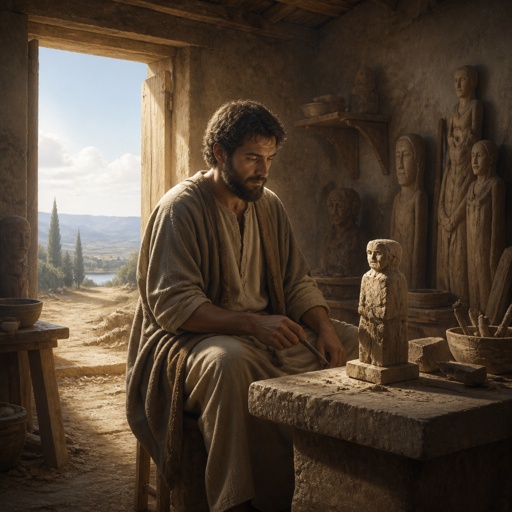
"Shall a man make gods unto himself, and they are no gods?" - Jeremiah 16:20

Jeremiah 37:16 - "¶ When Jeremiah was entered into the dungeon, and into the cabins, and Jeremiah had remained there many days;"

Jeremiah 20:4

Jeremiah 52:16

Jeremiah 20:2 - "Then Pashur smote Jeremiah the prophet, and put him in the stocks that were in the high gate of Benjamin, which was by the house of the LORD."

Jeremiah 20:3 - "And it came to pass on the morrow, that Pashur brought forth Jeremiah out of the stocks. Then said Jeremiah unto him, The LORD hath not called thy name Pashur, but Magor-missabib."

Mark 16:20
Mark 16:20

Deuteronomy 20:16

Jeremiah 20:1 - "Now Pashur the son of Immer the priest, who was also chief governor in the house of the LORD, heard that Jeremiah prophesied these things."

Jeremiah 44:20 - "¶ Then Jeremiah said unto all the people, to the men, and to the women, and to all the people which had given him that answer, saying,"
Mark 16:20

Genesis 20-16

Mark 16:20

Deuteronomy 20:16

Mark 16:20

Deuteronomy 20:16

Jeremiah 5:20 - "Declare this in the house of Jacob, and publish it in Judah, saying,"

Jeremiah 8:20 - "The harvest is past, the summer is ended, and we are not saved."

Genesis 35:16-20

"¶ When Jeremiah was entered into the dungeon, and into the cabins, and Jeremiah had remained there many days;" - Jeremiah 37:16

Joel 2:16-20

Exodus 19:16-20

Jeremiah 5:16 - "Their quiver is as an open sepulchre, they are all mighty men."
Jeremiah 16:1 - "The word of the LORD came also unto me, saying,"

Jeremiah 26:20 - "And there was also a man that prophesied in the name of the LORD, Urijah the son of Shemaiah of Kirjath-jearim, who prophesied against this city and against this land according to all the words of Jeremiah:"

Jeremiah 46:20 - "Egypt is like a very fair heifer, but destruction cometh; it cometh out of the north."