What does Jeremiah 22:15-16 mean?
“Shalt thou reign, because thou closest thyself in cedar? did not thy father eat and drink, and do judgment and justice, and then it was well with him? He judged the cause of the poor and needy; then it was well with him: was not this to know me? saith the LORD.” — Jeremiah 22:15-16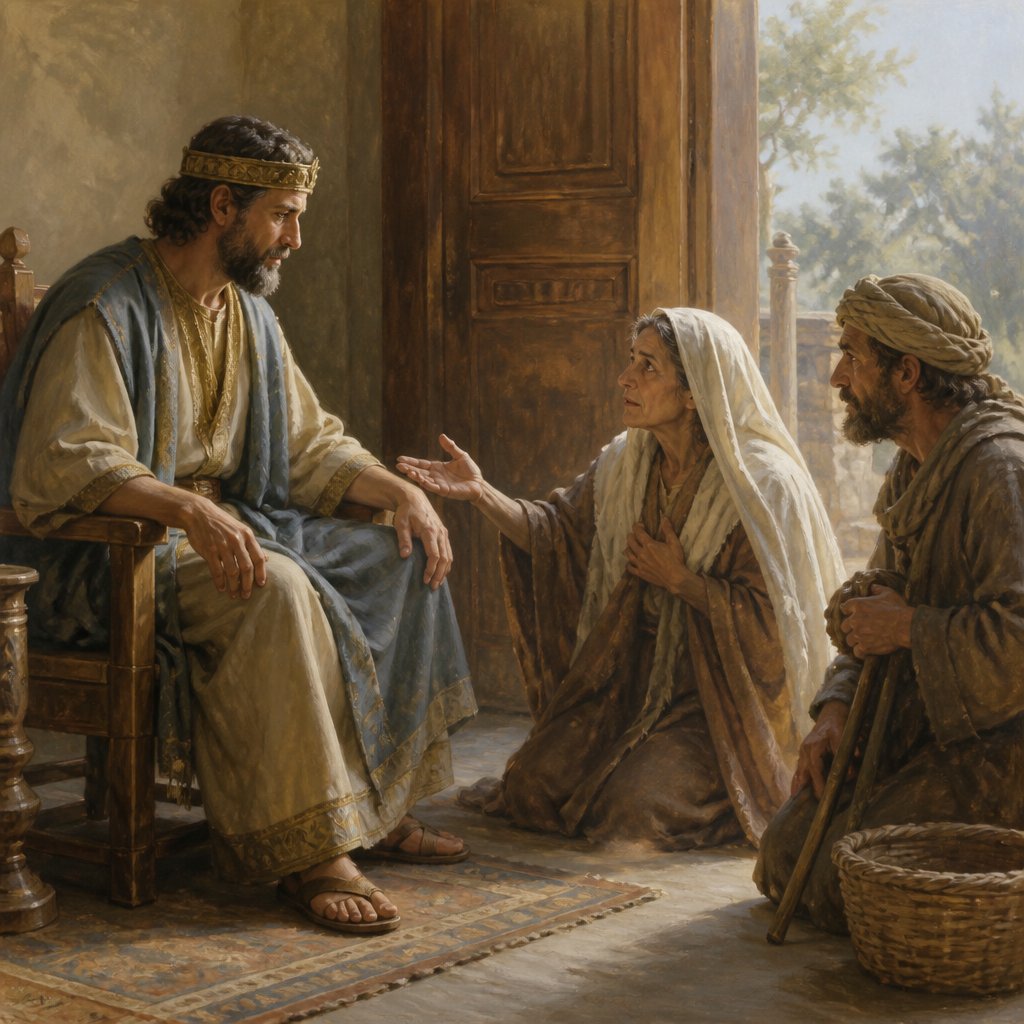
In Jeremiah 22:15-16, the King James Version (KJV) reads:
15 Shalt thou reign, because thou closest thyself in cedar? did not thy father eat and drink, and do judgment and justice, and then it was well with him?
16 He judged the cause of the poor and needy; then it was well with him: was not this to know me? saith the Lord.
In these two verses, the prophet Jeremiah issues a scathing rebuke to the king of Judah, Jehoiakim. The passage condemns Jehoiakim for his excessive focus on personal luxury and self-indulgence, while neglecting the responsibilities and duties of his position as ruler. The use of rhetorical questions and vivid imagery serves to emphasize the severity of the king's misdeeds and the contrast with the righteous conduct of his father.
The overarching theme of these verses is the juxtaposition of righteous governance and self-serving leadership. The prophet Jeremiah highlights the qualities of a just and effective ruler, drawing attention to the behavioral contrast between Jehoiakim and his father. By posing rhetorical questions and providing a stark comparison, Jeremiah seeks to remind Jehoiakim of the expectations placed upon him as the leader of Judah. The passage also serves as a broader commentary on the responsibilities and moral obligations of those in positions of power and authority.
The context of this passage is essential for a complete understanding of its significance. At the time of Jeremiah's prophetic ministry, Judah was facing political turmoil and moral decay. Jehoiakim, the king at the center of this rebuke, was known for his oppressive reign and disregard for the welfare of his people. His luxurious lifestyle and corrupt governance stood in stark contrast to the righteous rule of his father, which further fueled Jeremiah's critique.
The passage employs symbolism and imagery to enhance its impact. The mention of cedar, a symbol of opulence and wealth in the ancient Near East, serves to underscore Jehoiakim's extravagant lifestyle and misplaced priorities. In contrast, the reference to eating, drinking, and doing judgment and justice emphasizes the actions characteristic of a righteous ruler. This imagery works in tandem with the rhetorical questions to drive home Jeremiah's condemnation of Jehoiakim's conduct.
From a theological perspective, these verses also carry a profound message about the nature of true knowledge and understanding. The passage culminates with the assertion that by acting justly and advocating for the poor and needy, Jehoiakim's father demonstrated his knowledge of God. This statement emphasizes the inseparable connection between ethical conduct and a genuine relationship with God. It invites reflection on the moral dimensions of faith and the role of social justice in demonstrating one's understanding of God's will.
In conclusion, Jeremiah 22:15-16 delivers a powerful rebuke to Jehoiakim, employing rhetorical questions and vivid imagery to underscore the king's failure to fulfill his responsibilities as a ruler. The passage serves as a timeless reminder of the moral obligations of those in positions of authority, and the enduring significance of pursuing justice and righteousness in governance. It also offers a profound theological insight into the connection between ethical conduct and genuine knowledge of God. As such, this passage continues to resonate with relevance and significance in discussions of leadership, responsibility, and the pursuit of justice.
Get our apps


Artwork for Jeremiah 22:15-16

Jeremiah 22:15-16 - "Shalt thou reign, because thou closest thyself in cedar? did not thy father eat and drink, and do judgment and justice, and then it was well with him? He judged the cause of the poor and needy; then it was well with him: was not this to know me? saith the LORD."
"Shalt thou reign, because thou closest thyself in cedar? did not thy father eat and drink, and do judgment and justice, and then it was well with him? He judged the cause of the poor and needy; then it was well with him: was not this to know me? saith the LORD." - Jeremiah 22:15-16

Jeremiah 22:16 - "He judged the cause of the poor and needy; then it was well with him: was not this to know me? saith the LORD."

Jeremiah 22:15 - "Shalt thou reign, because thou closest thyself in cedar? did not thy father eat and drink, and do judgment and justice, and then it was well with him?"
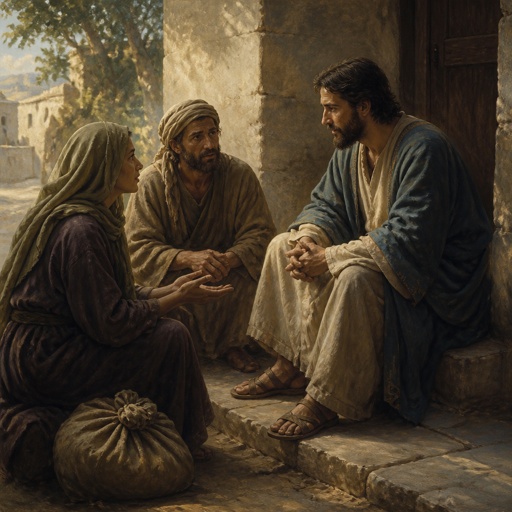
"He judged the cause of the poor and needy; then it was well with him: was not this to know me? saith the LORD." - Jeremiah 22:16

Jeremiah 15:16 - "Thy words were found, and I did eat them; and thy word was unto me the joy and rejoicing of mine heart: for I am called by thy name, O LORD God of hosts."

Jeremiah 16:15 - "But, The LORD liveth, that brought up the children of Israel from the land of the north, and from all the lands whither he had driven them: and I will bring them again into their land that I gave unto their fathers."

Jehoiachin in Jeremiah 22:22-30

Jeremiah 37:16 - "¶ When Jeremiah was entered into the dungeon, and into the cabins, and Jeremiah had remained there many days;"
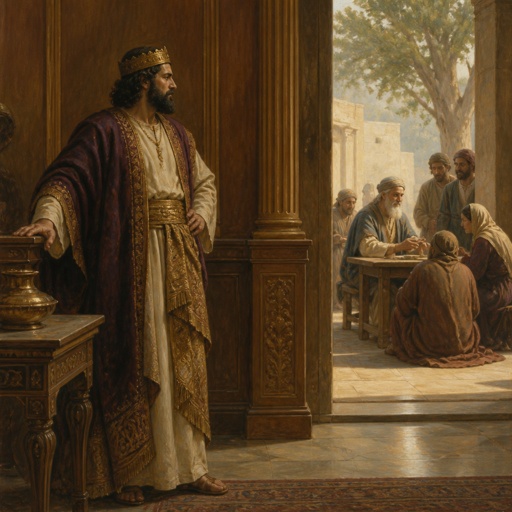
"Shalt thou reign, because thou closest thyself in cedar? did not thy father eat and drink, and do judgment and justice, and then it was well with him?" - Jeremiah 22:15

Jeremiah 15:16 Your words were found, and I ate them, And Your word was to me the joy and rejoicing of my heart; For I am called by Your name, O Lord God of hosts.

Jeremiah 52:16

Jeremiah 28:15-16 Then said the prophet Jeremiah unto Hananiah the prophet, Hear now, Hananiah; The LORD hath not sent thee; but thou makest this people to trust in a lie.Therefore thus saith the LORD; Behold, I will cast thee from off the face of the earth: this year thou shalt die, because thou hast taught rebellion against the LORD.

Jeremiah 50:22 - "A sound of battle is in the land, and of great destruction."
matt 15:22
matt 15:22

Genesis 22:15

Exodus 15:22

Genesis 22-16

Jeremiah 39:15 - "¶ Now the word of the LORD came unto Jeremiah, while he was shut up in the court of the prison, saying,"

Jeremiah 48:22 - "And upon Dibon, and upon Nebo, and upon Beth-diblathaim,"

Jeremiah 22:27 - "But to the land whereunto they desire to return, thither shall they not return."

Jeremiah 30:22 - "And ye shall be my people, and I will be your God."

Joshua 15:22 - "And Kinah, and Dimonah, and Adadah,"

Jeremiah 22:29 - "O earth, earth, earth, hear the word of the LORD."

1 Samuel 15:22

1 Samuel 15:22

Jeremiah 37:15 - "Wherefore the princes were wroth with Jeremiah, and smote him, and put him in prison in the house of Jonathan the scribe: for they had made that the prison."

Leviticus 23:15-22

Genesis 15:16