What does Jeremiah 29:29 mean?
“And Zephaniah the priest read this letter in the ears of Jeremiah the prophet.” — Jeremiah 29:29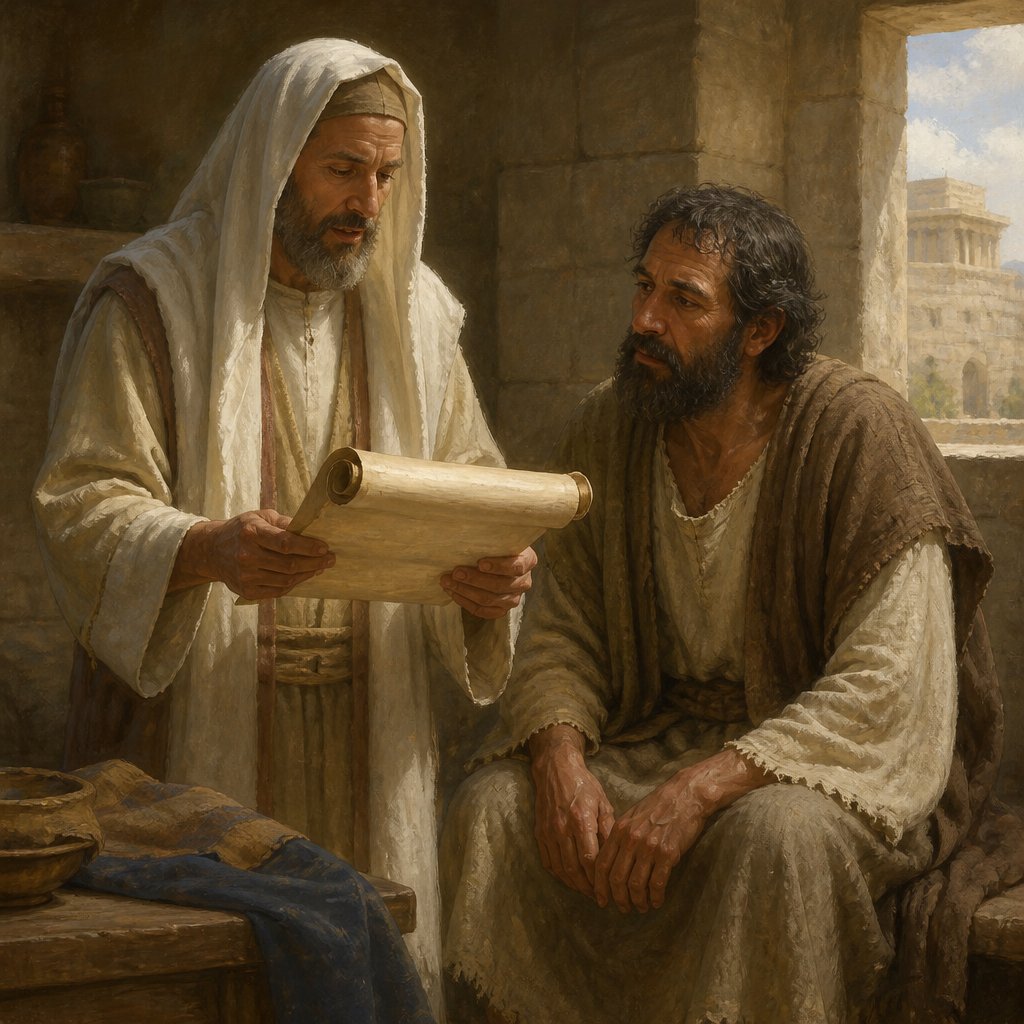
Jeremiah 29:11 is a well-known and often-quoted passage from the Bible, filled with assurances and hope for the future. It reads, "For I know the thoughts that I think toward you, saith the Lord, thoughts of peace, and not of evil, to give you an expected end." This verse comes from the book of Jeremiah, which is a prophetic book in the Old Testament. It is essential to study this verse within the larger context of the book of Jeremiah and the historical and cultural backdrop of the time to fully understand its meaning and significance.
The book of Jeremiah was written during a tumultuous period in Israel's history, as the nation was facing invasion, defeat, and exile at the hands of the Babylonian Empire. The people of Israel were suffering greatly, and the future looked bleak and uncertain. In the midst of this chaos and despair, the prophet Jeremiah delivered a message of hope and reassurance from God. This message was not only meant to provide comfort to the people of Israel during their current trials but also to give them hope for the future. In this particular verse, God reassures the Israelites that He has plans for them, plans for peace and not for evil, plans to give them a future and a hope.
The context of this verse is crucial to understanding its significance. The Israelites were facing a crisis of faith and identity as they endured the consequences of their disobedience and rebellion against God. They had been unfaithful to their covenant with God, worshiping idols and engaging in various sins. As a result, God allowed them to be conquered and exiled by their enemies. However, even in the midst of their suffering, God's love and faithfulness towards them remained unchanged. He had not abandoned them, and he had not forsaken his plans for their future.
In this verse, we see the themes of God's sovereignty, faithfulness, and promise. God's thoughts and plans for his people are described as ones of peace and not of evil. This communicates the nature of God's character and his intentions towards his people. Despite their current circumstances, God is still in control, and his plans for their welfare are immutable. This reassurance would have been incredibly meaningful to the Israelites as they faced uncertain and difficult times.
The verse also speaks to the concept of "expected end," which can be understood as a future filled with hope and promise. Even in the midst of their suffering, the Israelites could cling to the hope that God had a purpose for their lives and a plan for their future. This hope would have been a source of great comfort and encouragement to the people as they endured their exile and captivity.
There is also a broader theological significance to this verse. It reflects the nature of God as a loving and merciful God, who continues to care for his people even in times of judgment and discipline. It reinforces the idea of God's sovereignty, that he is in control of all things and has a plan for his people's welfare. It also emphasizes the importance of faith and trust in God's promises, even when circumstances seem dire.
In terms of symbolism, this verse can be seen as a beacon of hope in the midst of darkness. It is a reminder that even in the face of trials and tribulations, God's intentions for his people are ultimately good. The verse offers a ray of hope and reassurance to those who are facing difficult circumstances, encouraging them to trust in God's plans for their future.
In conclusion, Jeremiah 29:11 is a powerful and comforting verse that speaks to the enduring faithfulness and sovereignty of God. It offers hope and assurance to those facing difficult times, emphasizing the goodness of God's intentions and his plans for a future filled with hope and promise. It is a timeless message that continues to resonate with believers today, reminding them of the unchanging nature of God's love and faithfulness.
Get our apps


Artwork for Jeremiah 29:29

Jeremiah 29:29 - "And Zephaniah the priest read this letter in the ears of Jeremiah the prophet."
"And Zephaniah the priest read this letter in the ears of Jeremiah the prophet." - Jeremiah 29:29

Jeremiah 29:11-13

Jeremiah 29:11-13

Jeremiah 29:11-13

Jeremiah 29:11-13

Jeremiah 29:11

Jeremiah 29:11

Jeremiah 29:11

Jeremiah 29:11

Jeremiah 29:30 - "¶ Then came the word of the LORD unto Jeremiah, saying,"

Jeremiah 29: 4-14

Jeremiah 29: 4-14

Jeremiah 29: 4-14

Jeremiah 29: 4-14

Jeremiah 29: 4-14

Jeremiah 29:11 sticker elements

Jeremiah 22:29 - "O earth, earth, earth, hear the word of the LORD."

Jeremiah 29:27 - "Now therefore why hast thou not reproved Jeremiah of Anathoth, which maketh himself a prophet to you?"

"¶ Then came the word of the LORD unto Jeremiah, saying," - Jeremiah 29:30

Jeremiah 29:24 - "¶ Thus shalt thou also speak to Shemaiah the Nehelamite, saying,"

Jeremiah 29:5 - "¶ Build ye houses, and dwell in them; and plant gardens, and eat the fruit of them;"

Jeremiah 23:29 - "Is not my word like as a fire? saith the LORD; and like a hammer that breaketh the rock in pieces?"

Jeremiah 5:29 - "Shall I not visit for these things? saith the LORD: shall not my soul be avenged on such a nation as this?"
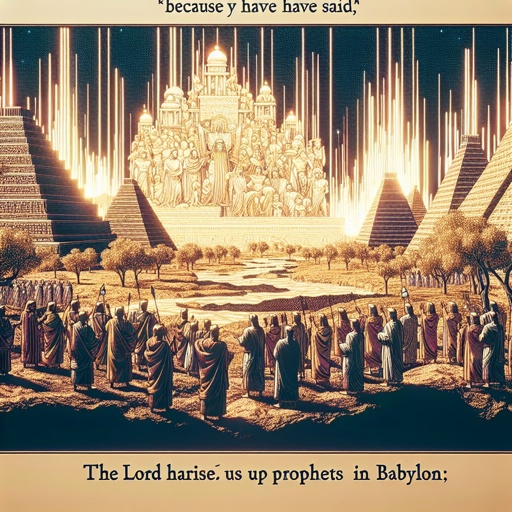
Jeremiah 29:15 - "¶ Because ye have said, The LORD hath raised us up prophets in Babylon;"

Jeremiah 6:29 - "The bellows are burned, the lead is consumed of the fire; the founder melteth in vain: for the wicked are not plucked away."

Jeremiah 29:11-13 building a healthy relationship with yourself

Building a healthy relationship with yourself Jeremiah 29:11-13

Building a healthy relationship with yourself Jeremiah 29:11-13

Building a healthy relationship with yourself Jeremiah 29:11-13