What does Jeremiah 36:30 mean?
“Therefore thus saith the LORD of Jehoiakim king of Judah; He shall have none to sit upon the throne of David: and his dead body shall be cast out in the day to the heat, and in the night to the frost.” — Jeremiah 36:30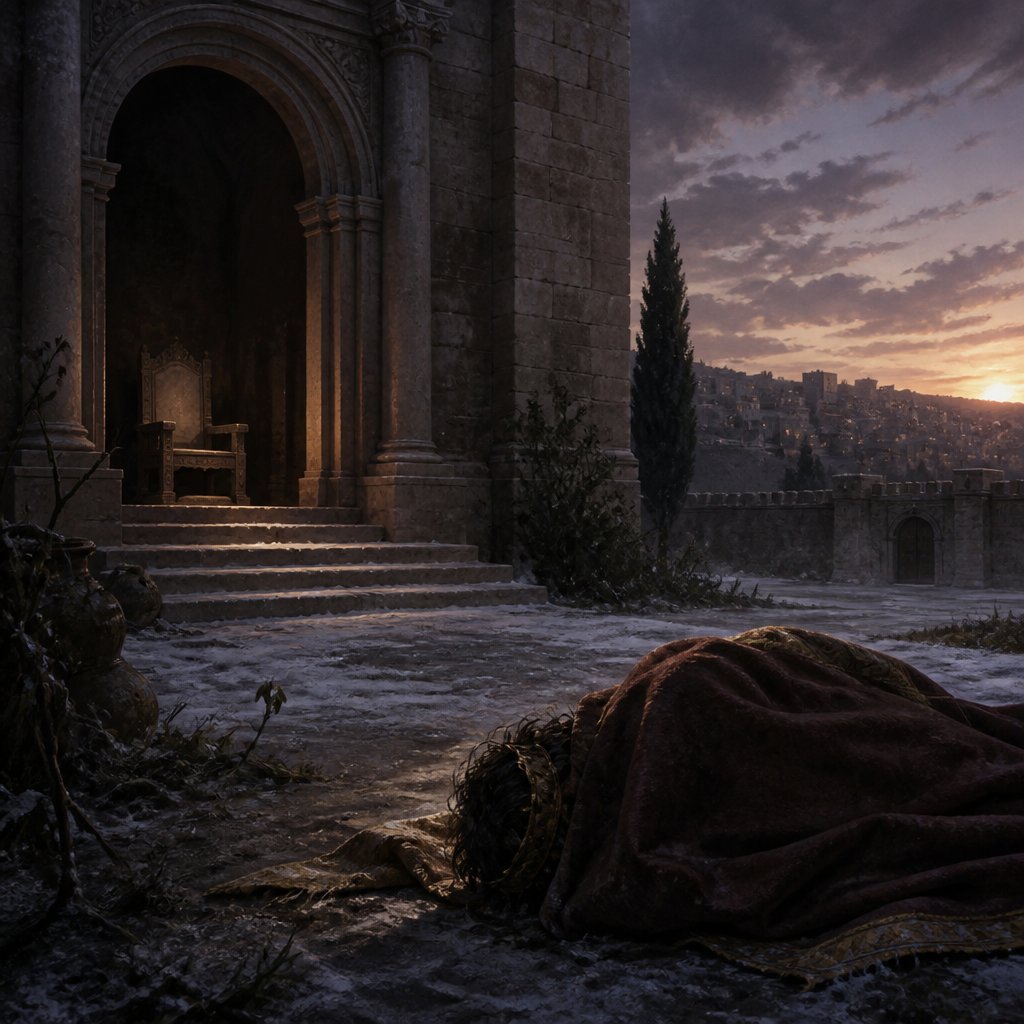
Jeremiah 36:30 in the King James Version of the Bible states, "Therefore thus saith the Lord of Jehoiakim king of Judah; He shall have none to sit upon the throne of David: and his dead body shall be cast out in the day to the heat, and in the night to the frost." This verse comes from a passage in the Book of Jeremiah, which is a prophetic book in the Old Testament. In this particular passage, Jeremiah dictates the words of the Lord to Baruch, his scribe, warning Jehoiakim, the king of Judah, of the impending judgment and devastation that will come upon him and his kingdom.
To understand the significance of this verse, it is important to first understand the historical and cultural context in which it was written. The book of Jeremiah was written during a tumultuous time in the history of ancient Israel, where the people had turned away from God and were facing the consequences of their disobedience. King Jehoiakim was ruling during a period of political upheaval and moral decline. His reign was marked by corruption, idolatry, and oppression of the poor, which angered the Lord and led to his pronouncement of judgment through the prophet Jeremiah.
The verse begins with the phrase, "Therefore thus saith the Lord," indicating that these words are a direct message from God. The Lord is speaking through Jeremiah to announce the consequences of Jehoiakim's actions. The first part of the verse states, "He shall have none to sit upon the throne of David." This signifies that Jehoiakim's descendants will not inherit the throne, and his dynasty will come to an end. This is a significant prophecy, as the throne of David was a symbol of God's covenant with the people of Israel, and the promise of a righteous and eternal ruler from the line of David (2 Samuel 7:16).
The second part of the verse states, "and his dead body shall be cast out in the day to the heat, and in the night to the frost." This imagery of Jehoiakim's dead body being dishonored and left unburied is a powerful symbol of the disgrace and shame that will befall him and his kingdom. In ancient Near Eastern cultures, a proper burial was considered essential for the soul to rest in peace, and being denied this was a sign of divine judgment and condemnation.
This verse carries several important themes that are prevalent throughout the Book of Jeremiah. Firstly, it emphasizes the consequences of disobedience and sin. Jehoiakim's actions have angered the Lord, and as a result, he and his kingdom will face severe judgment. This serves as a warning to the people of Israel and all believers about the importance of obeying God's commandments and living in righteousness.
Secondly, this verse highlights the faithfulness of God to his covenant promises. Despite the unfaithfulness of the kings and the people of Judah, God remains faithful to his covenant with David and his descendants. Even in the midst of judgment, there is hope for restoration and redemption in the future.
Additionally, this verse serves as a reminder of the sovereignty of God. The prophetic announcement of Jehoiakim's downfall and the end of his dynasty reaffirms God's authority and control over the affairs of nations and individuals. It also demonstrates the role of prophets like Jeremiah as messengers of God's divine will and justice.
In conclusion, Jeremiah 36:30 is a powerful and poignant verse that carries significant meaning and symbolism within the larger context of the book of Jeremiah and the history of ancient Israel. It serves as a warning of the consequences of disobedience, a reminder of God's faithfulness to his promises, and a proclamation of the sovereignty of God over all creation. This verse continues to be relevant and impactful for believers today, as it prompts reflection on the importance of living in obedience to God and trusting in his ultimate authority and justice.
Get our apps


Artwork for Jeremiah 36:30

Jeremiah 36:30 - "Therefore thus saith the LORD of Jehoiakim king of Judah; He shall have none to sit upon the throne of David: and his dead body shall be cast out in the day to the heat, and in the night to the frost."
"Therefore thus saith the LORD of Jehoiakim king of Judah; He shall have none to sit upon the throne of David: and his dead body shall be cast out in the day to the heat, and in the night to the frost." - Jeremiah 36:30

Jeremiah 36:27 - "¶ Then the word of the LORD came to Jeremiah, after that the king had burned the roll, and the words which Baruch wrote at the mouth of Jeremiah, saying,"

Jeremiah 30:1 - "The word that came to Jeremiah from the LORD, saying,"

Jeremiah 29:30 - "¶ Then came the word of the LORD unto Jeremiah, saying,"

Job 36:30 - "Behold, he spreadeth his light upon it, and covereth the bottom of the sea."

Jeremiah 36:5 - "And Jeremiah commanded Baruch, saying, I am shut up; I cannot go into the house of the LORD:"

Jeremiah 36:19 - "Then said the princes unto Baruch, Go, hide thee, thou and Jeremiah; and let no man know where ye be."

Jeremiah 36:4 - "Then Jeremiah called Baruch the son of Neriah: and Baruch wrote from the mouth of Jeremiah all the words of the LORD, which he had spoken unto him, upon a roll of a book."

Jeremiah 36:8 - "And Baruch the son of Neriah did according to all that Jeremiah the prophet commanded him, reading in the book the words of the LORD in the LORD'S house."

Jeremiah 36:1 - "And it came to pass in the fourth year of Jehoiakim the son of Josiah king of Judah, that this word came unto Jeremiah from the LORD, saying,"

Genesis 30:36 - "And he set three days' journey betwixt himself and Jacob: and Jacob fed the rest of Laban's flocks."

Genesis 36:30 - "Duke Dishon, duke Ezer, duke Dishan: these are the dukes that came of Hori, among their dukes in the land of Seir."

Exodus 36:30 - "And there were eight boards; and their sockets were sixteen sockets of silver, under every board two sockets."

Jeremiah 36:26 - "But the king commanded Jerahmeel the son of Hammelech, and Seraiah the son of Azriel, and Shelemiah the son of Abdeel, to take Baruch the scribe and Jeremiah the prophet: but the LORD hid them."

Ezekiel 36:30 - "And I will multiply the fruit of the tree, and the increase of the field, that ye shall receive no more reproach of famine among the heathen."

Jeremiah 5:30 - "¶ A wonderful and horrible thing is committed in the land;"

Jeremiah 36:22 - "Now the king sat in the winterhouse in the ninth month: and there was a fire on the hearth burning before him."

"¶ Then came the word of the LORD unto Jeremiah, saying," - Jeremiah 29:30

"The word that came to Jeremiah from the LORD, saying," - Jeremiah 30:1

Jehoiachin in Jeremiah 22:22-30

Jeremiah 36:10 - "Then read Baruch in the book the words of Jeremiah in the house of the LORD, in the chamber of Gemariah the son of Shaphan the scribe, in the higher court, at the entry of the new gate of the LORD'S house, in the ears of all the people."

Jeremiah 25:36 - "A voice of the cry of the shepherds, and an howling of the principal of the flock, shall be heard: for the LORD hath spoiled their pasture."

Jeremiah 50:36 - "A sword is upon the liars; and they shall dote: a sword is upon her mighty men; and they shall be dismayed."

Jeremiah 30:4 - "¶ And these are the words that the LORD spake concerning Israel and concerning Judah."

Jeremiah 30:22 - "And ye shall be my people, and I will be your God."

Jeremiah 36:11 - "¶ When Michaiah the son of Gemariah, the son of Shaphan, had heard out of the book all the words of the LORD,"

Jeremiah 36:15 - "And they said unto him, Sit down now, and read it in our ears. So Baruch read it in their ears."

Jeremiah 36:17 - "And they asked Baruch, saying, Tell us now, How didst thou write all these words at his mouth?"

Jeremiah 36:32 - "¶ Then took Jeremiah another roll, and gave it to Baruch the scribe, the son of Neriah; who wrote therein from the mouth of Jeremiah all the words of the book which Jehoiakim king of Judah had burned in the fire: and there were added besides unto them many like words."