What does Jeremiah 4:10 mean?
“Then said I, Ah, Lord GOD! surely thou hast greatly deceived this people and Jerusalem, saying, Ye shall have peace; whereas the sword reacheth unto the soul.” — Jeremiah 4:10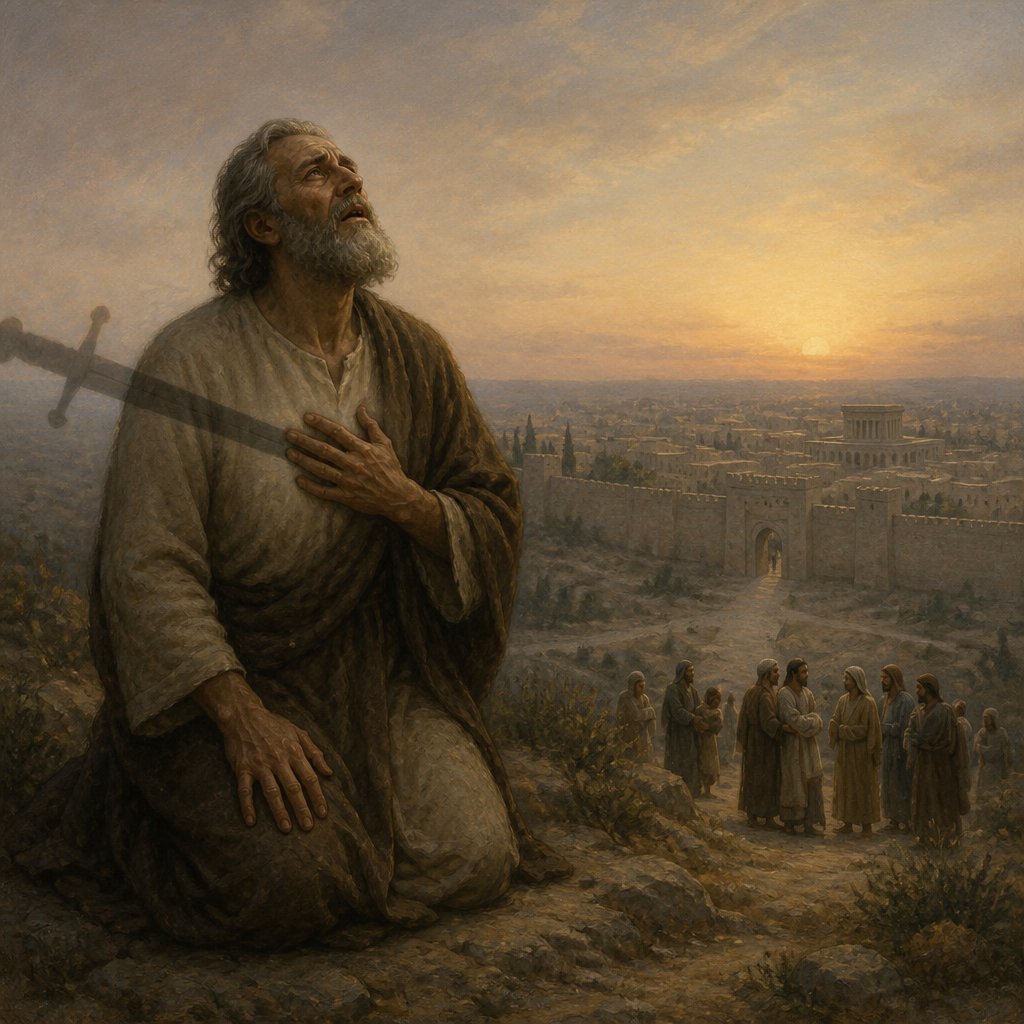
The verse Jeremiah 4:10 from the King James Version of the Bible reads: "Then said I, Ah, Lord God! surely thou hast greatly deceived this people and Jerusalem, saying, Ye shall have peace; whereas the sword reacheth unto the soul."
This verse comes from the book of Jeremiah, which is a prophetic book in the Old Testament. Jeremiah was a prophet who ministered to the people of Judah, warning them of the impending destruction of Jerusalem and the captivity of the people by the Babylonians. Throughout the book, Jeremiah speaks on behalf of God, delivering messages of warning and judgment to the people.
In this particular verse, Jeremiah expresses his dismay and disbelief at the situation facing the people of Jerusalem. He acknowledges that the Lord God had deceived the people by giving them false assurances of peace, when in reality, they were facing imminent danger and destruction at the hands of the sword.
The underlying theme of this verse is one of judgment and the consequences of sin. The people of Jerusalem had turned away from God and had strayed from His commandments. They had engaged in idolatry, injustice, and unfaithfulness, and as a result, they were facing God's judgment. Jeremiah's lament reflects the sorrow and pain he feels for his people, who have been led astray and are now facing the harsh reality of the consequences of their actions.
The context of this verse is important for understanding its significance. In the preceding verses, Jeremiah describes the impending invasion of Judah by the Babylonians and the devastation that will come upon the land. He warns the people to repent and turn back to God before it is too late. However, the people have grown complacent and have refused to heed his warnings. In the face of impending disaster, Jeremiah is overwhelmed by the sorrow and grief of the situation. His cry of "Ah, Lord God!" is a desperate plea for understanding and a recognition of the seriousness of the situation.
The symbolism in this verse is powerful and profound. The image of the sword reaching unto the soul represents the spiritual and emotional devastation that the people of Jerusalem are experiencing. It symbolizes the deep and profound impact of the impending judgment and destruction on the people's inner being. The sword is often used in the Bible as a symbol of warfare and judgment, and in this context, it represents the swift and merciless judgment of God upon the people for their sin.
Overall, Jeremiah 4:10 is a poignant and powerful expression of Jeremiah's grief and sorrow over the impending destruction of Jerusalem. It serves as a warning to the people to repent and turn back to God before it is too late. The verse conveys a powerful message about the consequences of sin and the importance of turning to God in times of trouble. It serves as a reminder that God's judgment is real, and that His warnings should be heeded.
Get our apps


Artwork for Jeremiah 4:10

Jeremiah 4:10 - "Then said I, Ah, Lord GOD! surely thou hast greatly deceived this people and Jerusalem, saying, Ye shall have peace; whereas the sword reacheth unto the soul."
"Then said I, Ah, Lord GOD! surely thou hast greatly deceived this people and Jerusalem, saying, Ye shall have peace; whereas the sword reacheth unto the soul." - Jeremiah 4:10

Jeremiah 10:4 - "They deck it with silver and with gold; they fasten it with nails and with hammers, that it move not."

"They deck it with silver and with gold; they fasten it with nails and with hammers, that it move not." - Jeremiah 10:4

Jeremiah 10:5

Jeremiah 1: 1-10

Nehemiah 10:2 - "Seraiah, Azariah, Jeremiah,"

Jeremiah 20:4

Jeremiah 37:4 - "Now Jeremiah came in and went out among the people: for they had not put him into prison."

1 Chronicles 12:10 - "Mishmannah the fourth, Jeremiah the fifth,"

Jeremiah 10:8 - "But they are altogether brutish and foolish: the stock is a doctrine of vanities."

Jeremiah 29: 4-14

Jeremiah 29: 4-14

Jeremiah 36:4 - "Then Jeremiah called Baruch the son of Neriah: and Baruch wrote from the mouth of Jeremiah all the words of the LORD, which he had spoken unto him, upon a roll of a book."

Jeremiah 29: 4-14

Jeremiah 29: 4-14

Jeremiah 29: 4-14

Jeremiah 28:10 - "Then Hananiah the prophet took the yoke from off the prophet Jeremiah's neck, and brake it."

Jeremiah 10:15 - "They are vanity, and the work of errors: in the time of their visitation they shall perish."
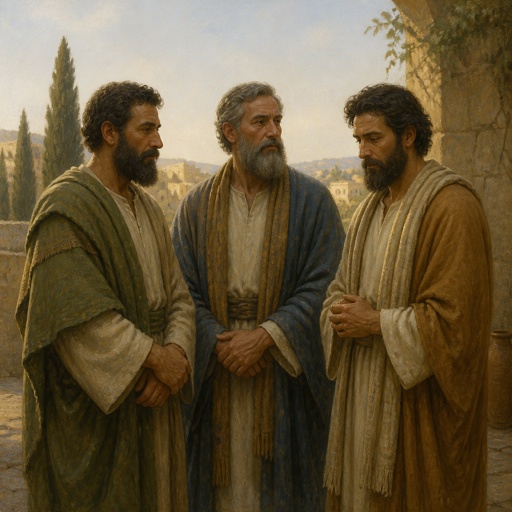
"Seraiah, Azariah, Jeremiah," - Nehemiah 10:2

Jeremiah 19:10 - "Then shalt thou break the bottle in the sight of the men that go with thee,"

Jeremiah 1:4 - "Then the word of the LORD came unto me, saying,"

Jeremiah 10:10 - "But the LORD is the true God, he is the living God, and an everlasting king: at his wrath the earth shall tremble, and the nations shall not be able to abide his indignation."

Jeremiah 38:10 - "Then the king commanded Ebed-melech the Ethiopian, saying, Take from hence thirty men with thee, and take up Jeremiah the prophet out of the dungeon, before he die."

James 4:10

James 4:10

James 4:10

James 4:10

James 4:10

James 4:10