What does Jeremiah 47:5 mean?
“Baldness is come upon Gaza; Ashkelon is cut off with the remnant of their valley: how long wilt thou cut thyself?” — Jeremiah 47:5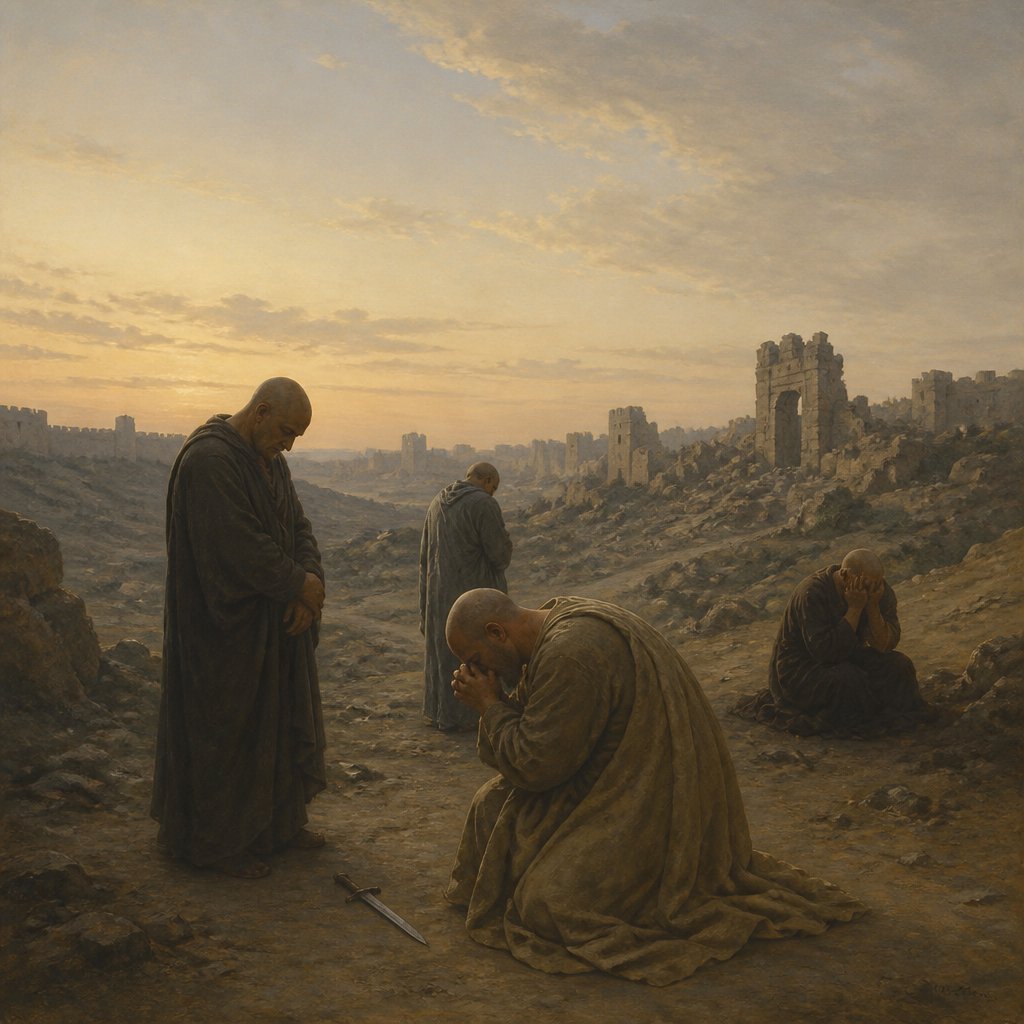
In Jeremiah 47:5, the verse states, "Baldness is come upon Gaza; Ashkelon is cut off with the remnant of their valley: how long wilt thou cut thyself?" This verse comes from a prophecy against the Philistines, delivered by the prophet Jeremiah. The verse can be broken down into three parts, each of which holds important symbolic and contextual significance.
The first part of the verse, "Baldness is come upon Gaza," speaks to the impending destruction and desolation that will come upon the city of Gaza. In biblical times, the act of shaving one's head was a sign of mourning and grief. By using the imagery of baldness, the verse is portraying the devastation and loss that will befall the city. This is a common motif in the Old Testament, where the physical state of the people and their surroundings is used as a reflection of their spiritual condition. In this case, the baldness of Gaza represents the spiritual decay and downfall of the Philistine people.
The second part of the verse, "Ashkelon is cut off with the remnant of their valley," further emphasizes the destruction and isolation that will be experienced by the Philistines. Ashkelon was one of the major cities of the Philistine Pentapolis, and the "remnant of their valley" refers to the remaining inhabitants of the surrounding region. This imagery highlights the thoroughness of the devastation that will come, leaving the Philistines isolated and cut off from the surrounding land. It also serves as a warning to the other cities in the region, showing the extent to which the judgment of God will reach.
Finally, the verse ends with the rhetorical question, "how long wilt thou cut thyself?" This question serves as a call to the Philistines to consider their actions and their future. The act of cutting oneself was a common practice in ancient cultures as a form of mourning or as a demonstration of despair and hopelessness. Here, it symbolizes the futility of the Philistines' actions and their inability to escape the judgment that is coming upon them. The question also suggests a sense of inevitability, as if to say, "how long will you continue to mourn and despair when there is no hope left?"
In the broader context of the book of Jeremiah, this prophecy against the Philistines is part of a series of oracles against the surrounding nations. Throughout the book, Jeremiah proclaims the judgment of God upon the nations for their idolatry, injustice, and immorality. The specific mention of the Philistines is significant, as they were a long-standing enemy of the Israelites and a symbol of opposition to the God of Israel. By pronouncing judgment upon them, Jeremiah is reaffirming the sovereignty and power of God over all the nations of the earth.
The themes present in this verse are consistent with the larger themes of the book of Jeremiah, including the sovereignty of God, the consequences of sin, and the call to repentance. The imagery of destruction and desolation serves as a sobering reminder of the judgment that comes from turning away from God. It also reinforces the prophetic message of Jeremiah, calling the people to turn from their wicked ways and seek the mercy and forgiveness of God.
In conclusion, Jeremiah 47:5 is a powerful and evocative verse that uses vivid imagery and rhetorical questions to convey the impending judgment upon the Philistines. The symbolism and themes present in this verse serve to reinforce the larger message of the book of Jeremiah and the broader biblical narrative. It is a warning of the consequences of turning away from God and a call to repentance and reconciliation. As such, it continues to hold relevance and significance for believers today, serving as a reminder of the enduring truth of God's justice and mercy.
Get our apps


Artwork for Jeremiah 47:5

Jeremiah 47:5 - "Baldness is come upon Gaza; Ashkelon is cut off with the remnant of their valley: how long wilt thou cut thyself?"
"Baldness is come upon Gaza; Ashkelon is cut off with the remnant of their valley: how long wilt thou cut thyself?" - Jeremiah 47:5

Jeremiah 47:1 - "The word of the LORD that came to Jeremiah the prophet against the Philistines, before that Pharaoh smote Gaza."

Psalms 47:5 - "God is gone up with a shout, the LORD with the sound of a trumpet."

Jeremiah 48:47 - "¶ Yet will I bring again the captivity of Moab in the latter days, saith the LORD. Thus far is the judgment of Moab."
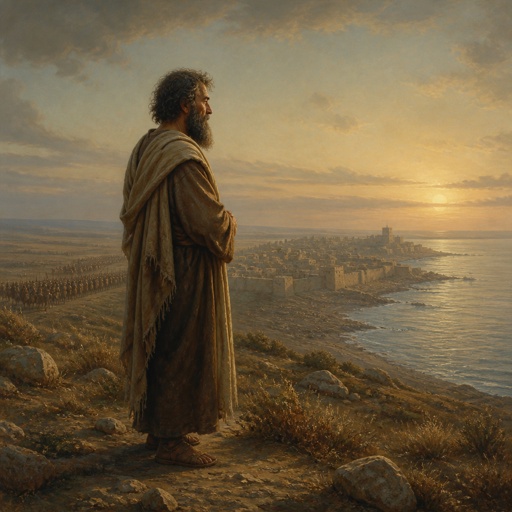
"The word of the LORD that came to Jeremiah the prophet against the Philistines, before that Pharaoh smote Gaza." - Jeremiah 47:1

John 5:47 - "But if ye believe not his writings, how shall ye believe my words?"

Jeremiah 47:6 - "O thou sword of the LORD, how long will it be ere thou be quiet? put up thyself into thy scabbard, rest, and be still."

Jeremiah 47:7 - "How can it be quiet, seeing the LORD hath given it a charge against Ashkelon, and against the sea shore? there hath he appointed it."

Jeremiah 47:3 - "At the noise of the stamping of the hoofs of his strong horses, at the rushing of his chariots, and at the rumbling of his wheels, the fathers shall not look back to their children for feebleness of hands;"

Genesis 47:5 - "And Pharaoh spake unto Joseph, saying, Thy father and thy brethren are come unto thee:"

Jeremiah 47:4 - "Because of the day that cometh to spoil all the Philistines, and to cut off from Tyrus and Zidon every helper that remaineth: for the LORD will spoil the Philistines, the remnant of the country of Caphtor."

Isaiah 47:5 - "Sit thou silent, and get thee into darkness, O daughter of the Chaldeans: for thou shalt no more be called, The lady of kingdoms."

Matthew 5:47 - "And if ye salute your brethren only, what do ye more than others? do not even the publicans so?"

Jeremiah 51:47 - "Therefore, behold, the days come, that I will do judgment upon the graven images of Babylon: and her whole land shall be confounded, and all her slain shall fall in the midst of her."

"God is gone up with a shout, the LORD with the sound of a trumpet." - Psalms 47:5

Ezekiel 47:5 - "Afterward he measured a thousand; and it was a river that I could not pass over: for the waters were risen, waters to swim in, a river that could not be passed over."

"But if ye believe not his writings, how shall ye believe my words?" - John 5:47

Jeremiah 47:2 - "Thus saith the LORD; Behold, waters rise up out of the north, and shall be an overflowing flood, and shall overflow the land, and all that is therein; the city, and them that dwell therein: then the men shall cry, and all the inhabitants of the land shall howl."

Jeremiah 10:5
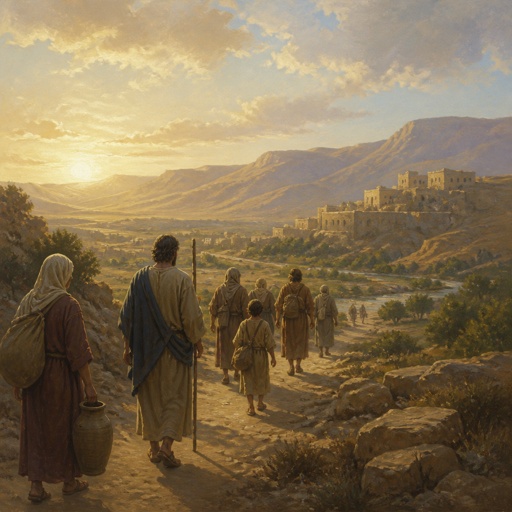
"¶ Yet will I bring again the captivity of Moab in the latter days, saith the LORD. Thus far is the judgment of Moab." - Jeremiah 48:47

Jeremiah 36:5 - "And Jeremiah commanded Baruch, saying, I am shut up; I cannot go into the house of the LORD:"
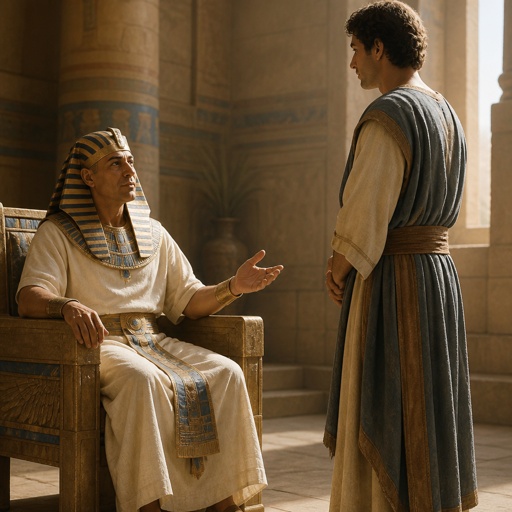
"And Pharaoh spake unto Joseph, saying, Thy father and thy brethren are come unto thee:" - Genesis 47:5

Prophet Jeremiah 1:5

Jeremiah 28:5 - "Then the prophet Jeremiah said unto the prophet Hananiah in the presence of the priests, and in the presence of all the people that stood in the house of the LORD,"
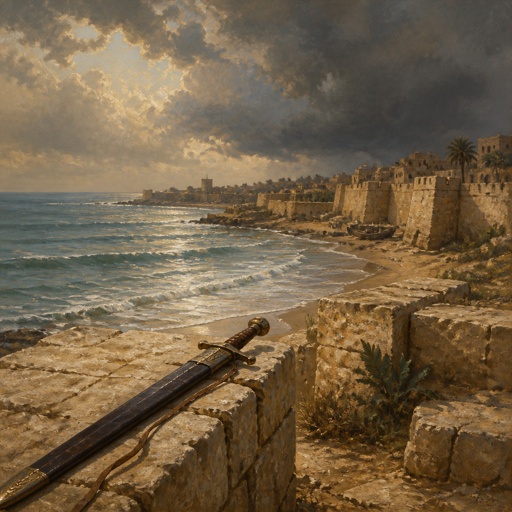
"How can it be quiet, seeing the LORD hath given it a charge against Ashkelon, and against the sea shore? there hath he appointed it." - Jeremiah 47:7

"O thou sword of the LORD, how long will it be ere thou be quiet? put up thyself into thy scabbard, rest, and be still." - Jeremiah 47:6

Jeremiah 18:5 - "Then the word of the LORD came to me, saying,"

Jeremiah 5:30 - "¶ A wonderful and horrible thing is committed in the land;"

Jeremiah 5:20 - "Declare this in the house of Jacob, and publish it in Judah, saying,"