What does Jeremiah 8:20 mean?
“The harvest is past, the summer is ended, and we are not saved.” — Jeremiah 8:20
Jeremiah 8:20 in the King James Version of the Bible reads: "The harvest is past, the summer is ended, and we are not saved." This verse is a lamentation from the prophet Jeremiah, expressing grief and sorrow over the spiritual condition of the people of Judah. It reflects a deep sense of disappointment and hopelessness as Jeremiah observes the consequences of the people's disobedience and lack of repentance.
The Book of Jeremiah is a prophetic book in the Old Testament, and it presents the messages and warnings of the prophet Jeremiah to the southern kingdom of Judah before its exile to Babylon. Jeremiah was called by God to confront the people of Judah with their sin and rebellion, and to call them to repentance and obedience. However, the people consistently refused to listen to Jeremiah's message, and they continued to indulge in idolatry, injustice, and moral corruption.
In Jeremiah 8:20, the prophet uses agricultural imagery to depict the spiritual state of the people. The harvest is a time of gathering the crops that have matured and ripened in the fields, and the summer represents a time of growth and abundance. However, in the context of the verse, these seasons have passed without the people experiencing the spiritual "harvest" or salvation that comes from seeking and following God. Instead, they have reached a point of spiritual barrenness and desolation.
The phrase "and we are not saved" is a poignant expression of the people's realization that they are heading towards destruction and judgment, and there seems to be no way out of their dire situation. Despite the passing of opportunities for spiritual renewal and revival, the people remain in their state of unrepentance and rebellion, facing the grim reality of their impending doom.
This verse highlights the theme of judgment and consequences of disobedience in the context of a covenant relationship between God and His people. Throughout the book of Jeremiah, the prophet emphasizes the reality of God's righteous judgment on the nation of Judah because of their persistent sin and rebellion. The verse also serves as a warning to the readers of the consequences of turning away from God and neglecting the importance of seeking Him and walking in obedience.
The imagery of the harvest and summer also functions as a symbol of the passing of opportunities and seasons of grace. The people of Judah have missed the window of opportunity for repentance and revival, and they are now facing the consequences of their choices.
Ultimately, Jeremiah 8:20 serves as a call to self-examination and repentance for the readers, urging them to consider the state of their own spiritual lives and their relationship with God. It challenges them to recognize the urgency of seeking God and turning away from sin, lest they find themselves in a similar state of hopelessness and despair.
In conclusion, Jeremiah 8:20 in the King James Version of the Bible presents a powerful and sobering reflection on the consequences of spiritual disobedience and the urgency of seeking God. It serves as a timeless reminder of the reality of God's judgment and the importance of responding to His call for repentance and obedience. The verse offers a timeless message that continues to resonate with believers today, urging them to heed the warnings and to seek God with sincerity and earnestness.
Get our apps


Artwork for Jeremiah 8:20

Jeremiah 8:20 - "The harvest is past, the summer is ended, and we are not saved."

"The harvest is past, the summer is ended, and we are not saved." - Jeremiah 8:20
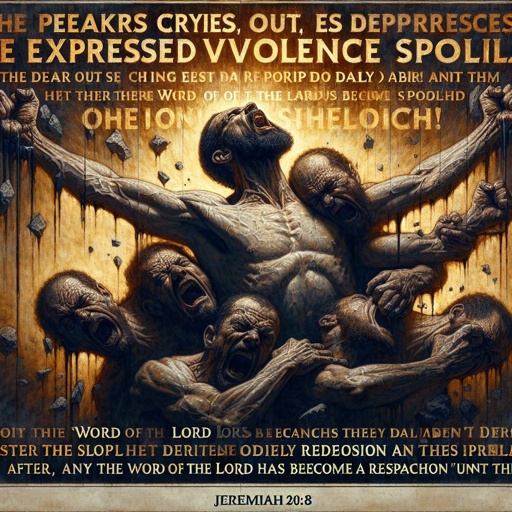
Jeremiah 20:8 - "For since I spake, I cried out, I cried violence and spoil; because the word of the LORD was made a reproach unto me, and a derision, daily."

Jeremiah 20:4

Jeremiah 43:8 - "¶ Then came the word of the LORD unto Jeremiah in Tahpanhes, saying,"

Jeremiah 20:2 - "Then Pashur smote Jeremiah the prophet, and put him in the stocks that were in the high gate of Benjamin, which was by the house of the LORD."

Jeremiah 20:3 - "And it came to pass on the morrow, that Pashur brought forth Jeremiah out of the stocks. Then said Jeremiah unto him, The LORD hath not called thy name Pashur, but Magor-missabib."

Jeremiah 20:1 - "Now Pashur the son of Immer the priest, who was also chief governor in the house of the LORD, heard that Jeremiah prophesied these things."

Jeremiah 44:20 - "¶ Then Jeremiah said unto all the people, to the men, and to the women, and to all the people which had given him that answer, saying,"

Jeremiah 5:20 - "Declare this in the house of Jacob, and publish it in Judah, saying,"

Jeremiah 16:20 - "Shall a man make gods unto himself, and they are no gods?"

Genesis 20-8

Jeremiah 17:7-8

Jeremiah 17:7-8

Jeremiah 17:7-8

Jeremiah 17:7-8

Jeremiah 26:20 - "And there was also a man that prophesied in the name of the LORD, Urijah the son of Shemaiah of Kirjath-jearim, who prophesied against this city and against this land according to all the words of Jeremiah:"
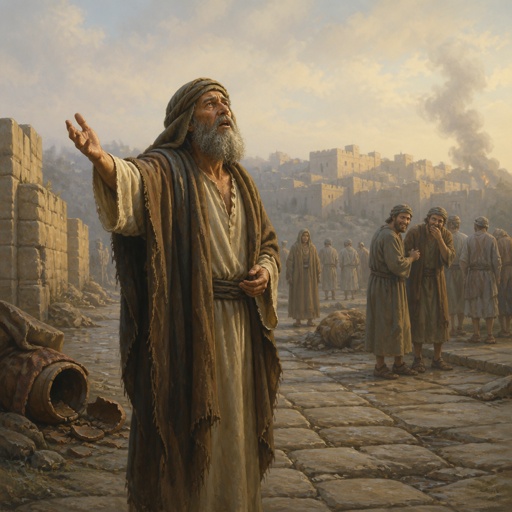
"For since I spake, I cried out, I cried violence and spoil; because the word of the LORD was made a reproach unto me, and a derision, daily." - Jeremiah 20:8

Jeremiah 46:20 - "Egypt is like a very fair heifer, but destruction cometh; it cometh out of the north."

Wisdom 8:19-20

Jeremiah 36:8 - "And Baruch the son of Neriah did according to all that Jeremiah the prophet commanded him, reading in the book the words of the LORD in the LORD'S house."

Jeremiah 13:8 - "Then the word of the LORD came unto me, saying,"

Jeremiah 10:8 - "But they are altogether brutish and foolish: the stock is a doctrine of vanities."

"¶ Then came the word of the LORD unto Jeremiah in Tahpanhes, saying," - Jeremiah 43:8

1 Chronicles 8:20 - "And Elienai, and Zilthai, and Eliel,"

Wisdom 8:19-20

Jeremiah 48:20 - "Moab is confounded; for it is broken down: howl and cry; tell ye it in Arnon, that Moab is spoiled,"

Jeremiah 8:8 - "How do ye say, We are wise, and the law of the LORD is with us? Lo, certainly in vain made he it; the pen of the scribes is in vain."

Jeremiah 7:8 - "¶ Behold, ye trust in lying words, that cannot profit."

Jeremiah 38:20 - "But Jeremiah said, They shall not deliver thee. Obey, I beseech thee, the voice of the LORD, which I speak unto thee: so it shall be well unto thee, and thy soul shall live."